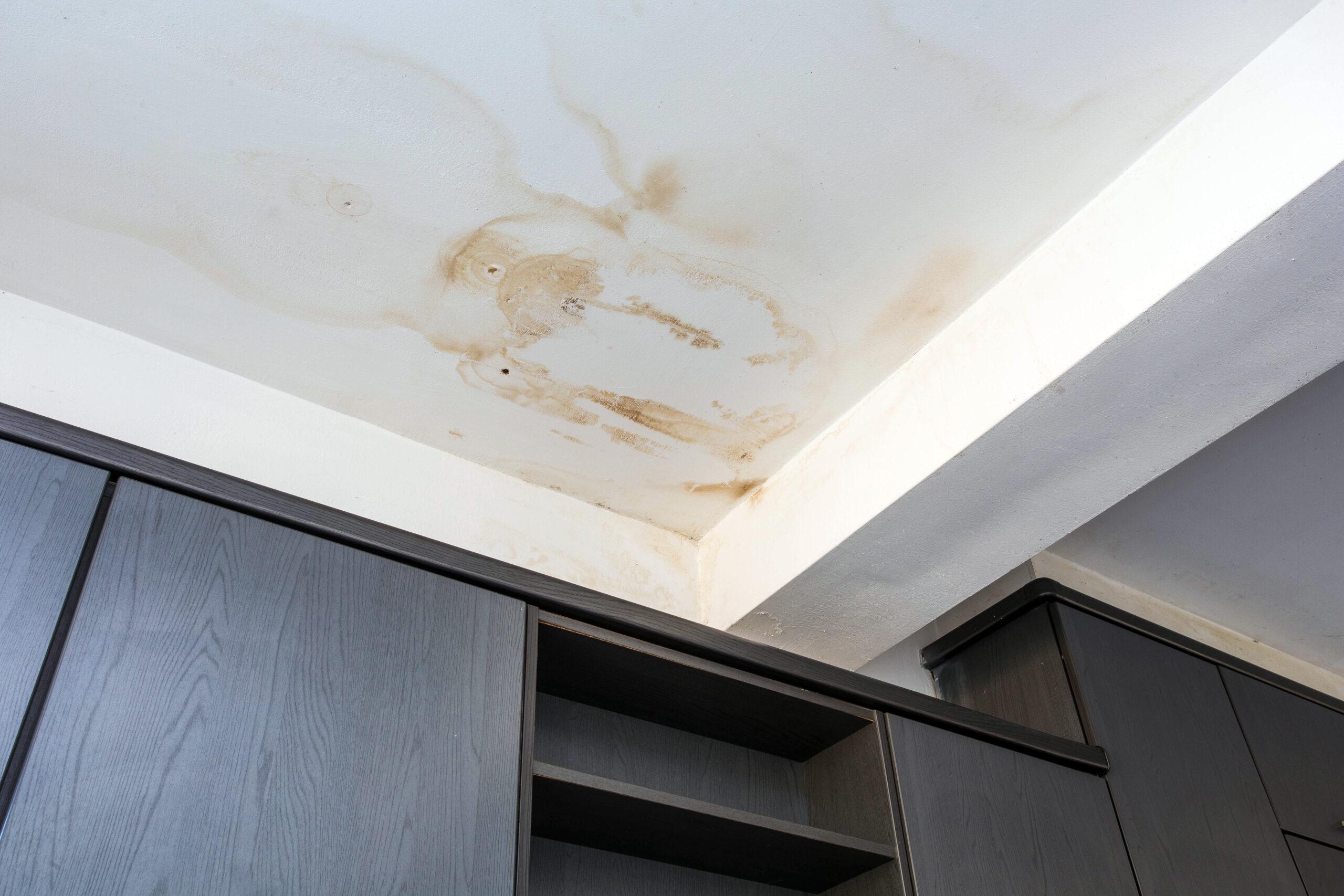
Water Damage Claim Denied? The 8 Common Reasons and How to Answer Each


Water damage claim denied? The reason is likely one of eight: the leak was long-term, the damage was wear and tear, the water was flood or groundwater, it backed up from a drain, the pipes froze in an unheated house, the damage is mold, the property wasn't protected after the leak, or the claim was reported late. Each has its own policy wording, and each can be challenged if the facts support you. The first step is to find out exactly which one your insurer is using.
Water and freezing claims are among the most common homeowners claims. Triple-I, using ISO data, puts them at about 1.42 claims per 100 insured homes per year for 2020 to 2024, or about one in 70 homes, with an average claim of about $17,240. Below is how the standard policy treats water, and how to answer each denial reason.
How a standard policy covers water
A standard HO-3 policy covers the house on an open-perils basis. Everything is covered unless the policy excludes it. Water from inside the house is covered when it is an accidental discharge or overflow from a plumbing, heating or air conditioning system, a fire sprinkler system or a household appliance. The standard ISO HO 00 03 form also pays the cost to tear out and replace parts of the building needed to reach the system that leaked.
It does not pay to fix the leaking pipe or appliance itself. A denial for the failed water heater is normal. A denial for the floors, walls and belongings it soaked is the one to look at closely.
1. "Constant or repeated seepage or leakage"
Some insurers' own policy forms exclude water that leaks repeatedly over a period of time. Some say "weeks, months or years," and some set a number such as 14 days or more. This wording is not in the base ISO HO-3 form. It comes from the insurer's own form or an endorsement, so read your policy for the exact language.
What answers it: proof of when the leak started and when you found it. A plumber's written report on how the part failed, a burst fitting or split hose, carries the most weight. Photos showing fresh damage without long-term staining, rot or mold also help. Courts in some states have read "14 or more days" wording narrowly. A Florida appeals court in Hicks v. American Integrity (2018) held that such a clause did not clearly exclude damage from the first 13 days. Our guide to slow leak claims covers this denial in depth.
Letter wording: "Your denial relies on the repeated seepage exclusion. The attached plumber's report shows the supply line fitting failed suddenly on or about March 3. We discovered the water that day and reported it the next morning."
2. "Wear and tear" or "deterioration"
The standard form excludes wear and tear, deterioration, mechanical breakdown, rust and corrosion. But it then covers an accidental discharge of water from a plumbing system or appliance, unless another exclusion applies. In practice, the corroded pipe is excluded, and the water damage it caused when it let go can be covered.
What answers it: ask the insurer in writing whether it is denying the pipe or the resulting damage. If the letter denies everything, quote the accidental discharge wording and ask which provision excludes the resulting damage.
3. "Flood," "surface water" or "water below the surface"
Homeowners policies exclude flood, surface water and water below the surface of the ground, including water that seeps through a foundation, wall or floor. That exclusion applies regardless of what caused the water. Flood damage needs a separate flood policy.
What answers it: proof the water came from inside, such as a burst pipe or failed appliance, or from a storm-created opening in the roof or wall. A plumber's or roofer's report and photos of the source are the evidence. Watch your words, too. Calling a burst pipe a "flood" causes confusion that is hard to undo. See what not to say to an insurance adjuster.
4. "Water backup" or "sump pump overflow"
The standard form excludes water that backs up through sewers or drains, or overflows from a sump, sump pump or related equipment. It is covered only if you added a water backup endorsement, which has its own limit, such as $5,000 to $25,000.
What answers it: check your declarations page for a water backup endorsement. If you have one, the questions are the limit and the deductible. If the water came from a broken pipe and not a backup, document that. See sewer backup insurance coverage.
5. "Freezing" in a vacant or unheated home
Damage from frozen pipes is covered under the standard form if you used reasonable care to maintain heat in the building, or shut off the water supply and drained the systems. The dispute can involve vacant homes, second homes, homes for sale and homes where the heat failed.
What answers it: utility bills, smart thermostat records, a furnace service invoice, and a log of visits showing someone checked on the house. See frozen pipes insurance claims and, for other cold-weather losses, winter storm damage claims.
6. "Mold, fungus or wet rot"
The standard form excludes mold, fungus and wet rot. It makes an exception when the mold is hidden inside walls, ceilings or under floors and results from an accidental leak from a plumbing, heating, air conditioning or sprinkler system or a household appliance. Some insurers also add a separate mold limit by endorsement.
What answers it: separate the water damage from the mold. Drywall, flooring and cabinets ruined by water are water damage and should not be pushed onto a small mold limit. Mold testing and a remediation protocol help show what is mold work and what is water repair. See mold insurance claims.
7. "You did not protect the property"
Your policy requires you to protect the property from further damage after a loss, and it pays reasonable costs to do so. Insurers sometimes reduce or deny claims when water sat for days without drying.
What answers it: a timeline of what you did and when. A dated invoice from a plumber or a water mitigation company is the best proof. See water mitigation in an insurance claim.
8. "Late notice"
Policies require prompt notice of a loss. But the standard form ties the insurer's right to deny coverage for a missed duty to whether the failure was prejudicial to the insurer. If the damage was hidden and you reported it as soon as you found it, or the damage was still there to inspect, a late notice denial is open to challenge.
What answers it: the date you discovered the damage, how you discovered it, and proof the insurer could still investigate.
What to do after the denial
- Get the denial in writing. In states like California and Pennsylvania, the written denial has to reference the specific policy provision.
- Read that provision in your full policy and endorsements, including any exceptions.
- Ask for the adjuster's notes, photos and any plumber's or engineer's report.
- Get your own written report on the cause from a licensed plumber or other expert.
- Send a short letter answering the exact reason, with your evidence attached.
- Note the lawsuit deadline in your policy's "Suit Against Us" section.
Our guide to how to appeal a denied home insurance claim walks through the letter and the options if the insurer won't change its mind.
Partial denials
Some water claims are paid only in part. The insurer pays for the obvious damage and leaves out the rest: swollen cabinets, flooring that runs into the next room, contents, or living expenses while the kitchen is unusable. Treat each missing item as its own denial and ask for the reason in writing.
Common questions
Why would a water damage claim be denied?
Because the insurer believes the leak was long-term, the damage came from wear and tear, or the water came from outside as flood, groundwater or a drain backup without an endorsement.
Can I reopen a denied water damage claim?
Yes, if you have new evidence, such as a plumber's report showing a sudden failure. Send it with a written request for reconsideration before your policy's lawsuit deadline.
Does homeowners insurance cover a leak behind a wall?
It can be, if the leak was accidental and not excluded as long-term seepage. The standard form pays to open the wall to reach the pipe. Disputes can turn on how long it leaked.
Should I hire a public adjuster for a denied water claim?
If the damage is large and the denial turns on cause or timing, an expert review can help. On small claims the fee may not be worth it.
Water damage claim denied or underpaid?
ClaimWarriors reviews denied water claims and the policy wording behind them. See how we handle water damage insurance claims and our help with denied and underpaid claims, or send us your denial letter for a free review.
This article is general information, not legal advice. Policy wording varies by insurer and state. Last reviewed November 2026.