Winter Storm Damage Insurance Claim: What Homeowners Insurance Covers


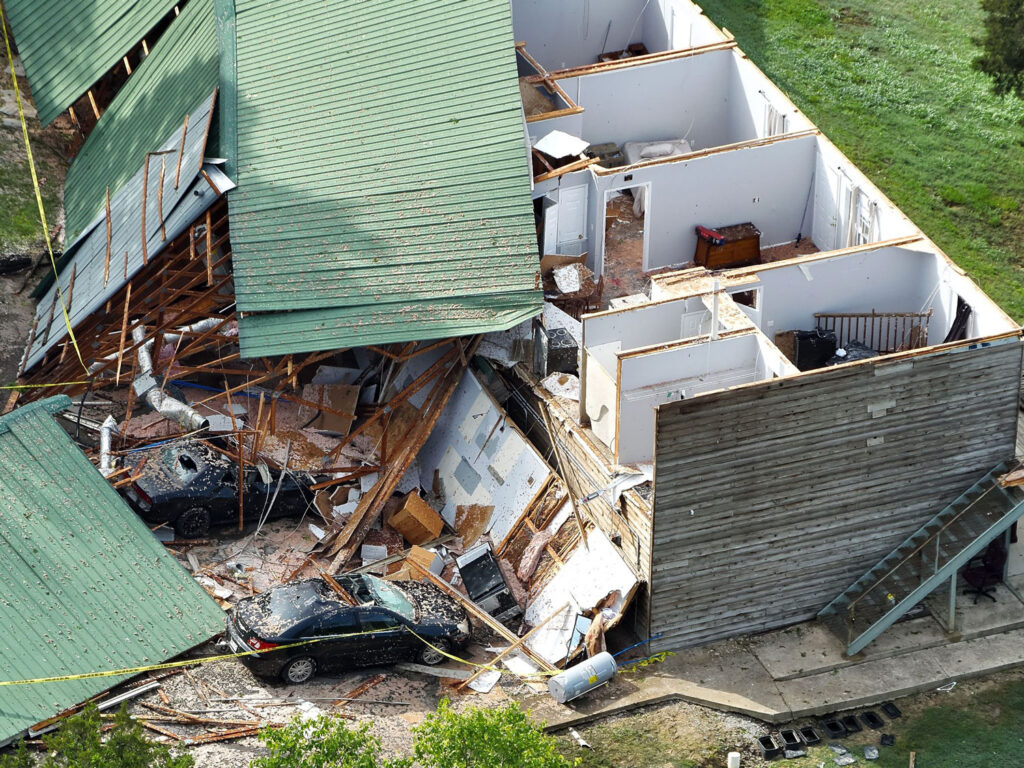
A winter storm damage insurance claim can be covered when the damage comes from a sudden event: pipes that burst after freezing in a heated house, water from an ice dam leaking into ceilings, a roof damaged by the weight of snow, or a tree that falls on the house. It isn't covered when the damage comes from wear and tear, a home left without heat, snowmelt that floods in from outside, or frost heaving a fence, driveway or foundation.
Winter losses can be large. The Insurance Information Institute reports that the 2021 polar vortex caused roughly $18.6 billion in insured losses. This guide goes through each winter peril and how the standard ISO HO-3 homeowners policy treats it, plus the steps that protect your claim.
Frozen and burst pipes
Frozen pipes are a winter claim of their own. Under the standard ISO HO 00 03 form, water damage from freezing is covered if you used reasonable care to maintain heat in the building, or shut off the water supply and drained the systems and appliances. The fight can come up in vacant homes, second homes and homes where the furnace failed.
The water damage is covered. Repairing the frozen pipe itself is not, though the policy pays to open walls and floors to reach it. Keep utility bills and thermostat records. See frozen pipes insurance claims.
Ice dams
An ice dam forms when snow melts on a warm part of the roof and refreezes at the cold edge. Water backs up under the shingles and leaks into the attic, walls and ceilings. Interior water damage from an ice dam can be covered. Removing the ice is your cost, and insurers sometimes argue that a worn roof or poor attic ventilation caused the leak. Photograph the ice on the roof before it melts. See ice dam insurance claims.
Weight of snow and ice on the roof
Damage from the weight of ice, snow or sleet is a covered peril in the standard form. If the weight causes part of the house to suddenly fall or cave in, the policy's collapse coverage applies. Sagging, cracking or bending alone is not a collapse under that coverage. See collapse coverage in homeowners insurance.
Shoveling the roof before damage happens is maintenance and is your cost. After damage, the policy pays reasonable costs to protect the property from more damage, such as a tarp over a cracked section. Keep the receipts.
Trees and limbs that fall
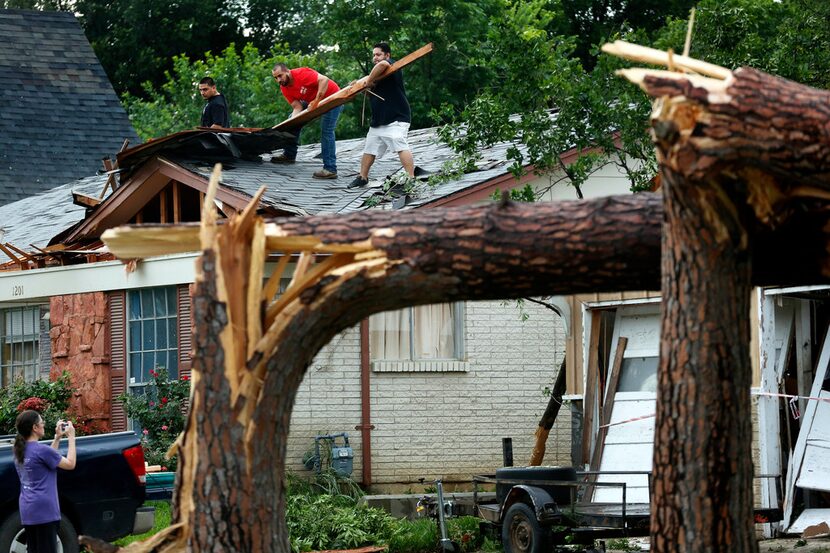
Ice-loaded trees and limbs come down on roofs, cars, fences and driveways. Damage to the house and other structures is covered. The standard form also pays to remove a fallen tree, up to $1,000 per loss and $500 per tree, when it was felled by windstorm, hail or the weight of ice, snow or sleet, and it either damaged a covered structure or blocks the driveway. If a neighbor's tree falls on your house, your own policy responds first. See tree fell on house. Damage to your car is a car insurance claim under comprehensive coverage, not a homeowners claim.
Wind damage
Winter storms can bring high winds. Missing or creased shingles, torn siding and broken windows from wind are covered the same way as in any season. For belongings, the policy covers damage from rain or snow that blows inside only if wind or hail first made an opening in the roof or wall. See wind damage roof claims.
Power outages and spoiled food
The standard policy excludes loss caused by a power failure that happens off your property. Food that spoils during a regional outage is not covered unless you added a refrigerated property endorsement, which can pay a modest amount such as $500. But if the outage leads to a covered loss at your home, such as pipes that freeze after the heat goes out, that resulting damage can be covered. See food spoilage after a power outage.
Fences, driveways, patios and foundations
The standard form excludes damage caused by freezing, thawing, or the pressure or weight of water or ice to fences, pavement, patios, swimming pools, foundations, retaining walls and similar structures. A fence crushed by a falling tree is a covered loss. A fence heaved by frost is not.
Snowmelt flooding and basement water
When snow melts quickly and water flows into the basement from outside, the policy treats it as surface water or flood, both excluded from homeowners insurance. Flood insurance covers it, but FEMA says a new NFIP policy typically has a 30-day waiting period, so it must be in place before the thaw. Water that backs up through a floor drain or sump is excluded too unless you have a water backup endorsement. See does homeowners insurance cover water damage for how each water source is treated.
How to file a winter storm claim
- Make the house safe. Shut off water at the main if a pipe burst, and stay clear of sagging ceilings.
- Photograph everything before cleanup, including ice on the roof, icicles, fallen trees and the thermostat setting.
- Protect the property from more damage. Call a plumber, start drying, and tarp openings. Keep every receipt.
- Report the claim promptly. The standard policy requires prompt notice and lets the insurer deny coverage if a late report hurts its ability to investigate.
- Get your own repair estimate. Winter claims can involve hidden water in walls and insulation that a quick inspection misses.
- Track the money. Some policies pay actual cash value first and the rest after repairs. Under the standard form, you must tell the insurer within 180 days after the loss that you plan to repair to collect the full replacement cost.
Winter claim disputes
Disputes can turn on cause. Was the leak from an ice dam or from an old roof? Did the pipe freeze because the heat failed suddenly, or because the house sat empty? Was the basement water from a burst pipe or from snowmelt outside? Independent reports from a roofer, plumber or engineer can settle these. If the insurer denies part of your claim, our guide to water damage claim denials explains the next steps.
Common questions
Does homeowners insurance cover winter storm damage?
Yes, for sudden damage such as burst pipes in a heated home, ice dam leaks, snow-load damage, falling trees and wind. It excludes flood, snowmelt seepage, frost damage to fences and pavement, and wear and tear.
Does homeowners insurance cover a roof collapse from snow?
The weight of ice, snow or sleet is a covered peril, and an abrupt collapse it causes is covered under the policy's collapse coverage. Sagging alone is not.
Is ice dam removal covered by insurance?
Not on its own. The water damage the ice dam causes inside can be covered.
Are frozen pipes covered if I was away?
Yes, if you kept the heat on or shut off and drained the water. If the house was left without heat and the water on, expect a dispute.
Need help with winter storm damage?
ClaimWarriors handles winter storm, ice dam and frozen pipe claims. See how we work on storm damage claims, or contact us for a free claim review.
This article is general information, not legal advice. Coverage depends on your policy and endorsements. Last reviewed November 2026.