Wind-Driven Rain Damage: When Insurance Covers Water Inside the House

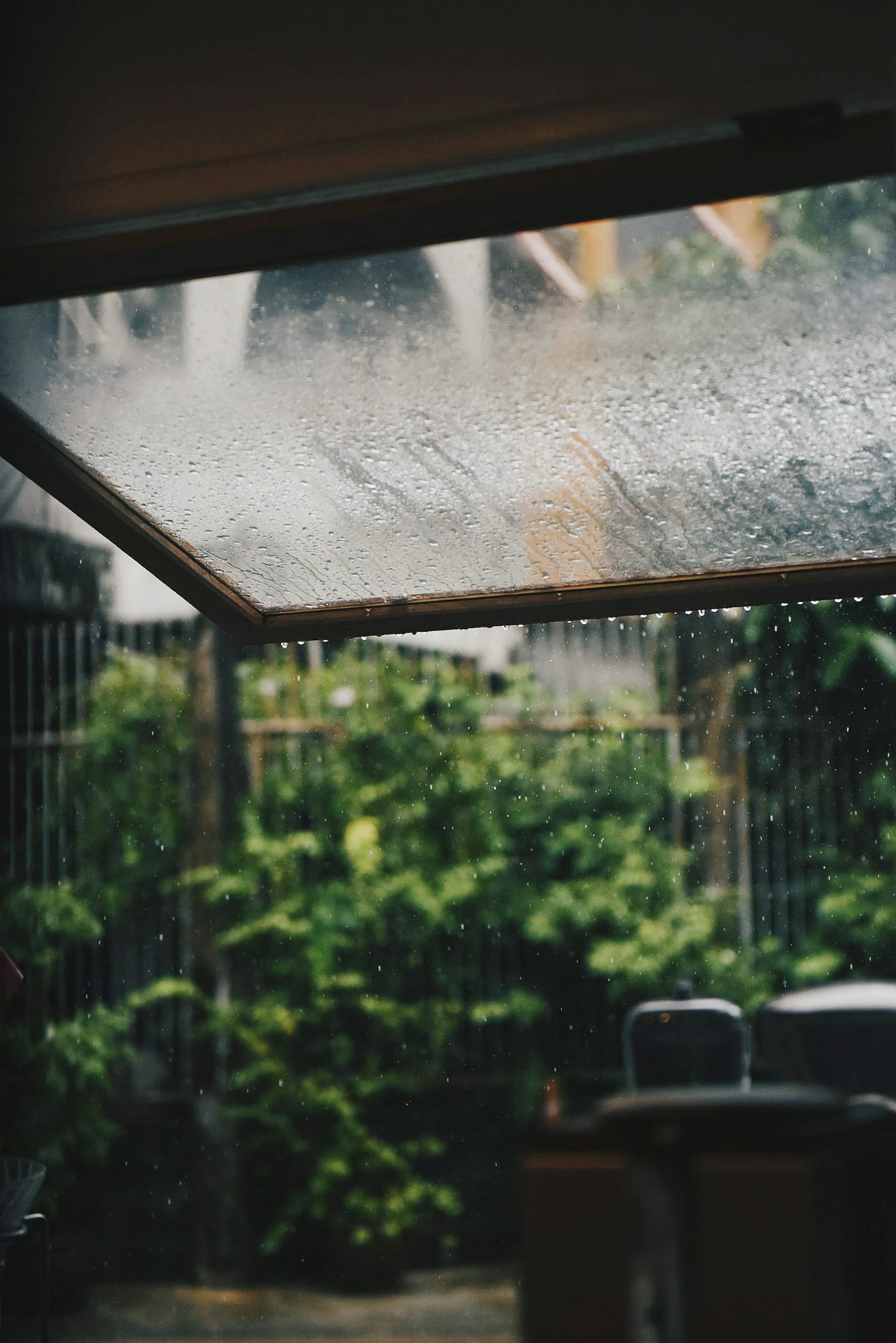
A nor'easter blows through for two days. When it passes, there is a brown stain spreading across the bedroom ceiling, water under the window and a wet rug. The roof looks fine from the ground. Claims like this are often called wind-driven rain claims, and they are denied more often than most storm claims because of one rule: the rain usually has to come in through an opening the storm made.
The opening rule for your belongings
In the standard homeowners form (ISO HO-3), your personal property is covered for named perils, and windstorm or hail is one of them. The windstorm peril does not cover loss to property inside a building caused by rain, snow, sleet, sand or dust unless "the direct force of wind or hail damages the building causing an opening in a roof or wall" and the rain enters through that opening. A wet sofa under a window that leaked in heavy rain is not covered under that wording. A wet sofa under a window a tree branch smashed is.
The house itself
In the ISO base form, the dwelling is covered on an open perils basis, so damage to drywall, ceilings and floors is covered unless an exclusion applies. The rain rule in the ISO form sits in the personal property windstorm peril. Many insurers write their own forms and apply a similar limit to the building, usually worded so that interior rain damage is covered only if a covered peril first damages the building and creates an opening in a roof, outside wall, door or window. Read your policy for that language. Even where it is absent, insurers often point to wear and tear or poor maintenance when water comes in through old caulking or a worn roof. See wind damage roof claims.
What courts look for
Where a policy has the opening rule, courts generally put the burden on the homeowner to show that wind created the opening and that the rain came in through it. In Petrick v. State Farm, a New Jersey appeals court in 2010 rejected a personal property claim after a nor'easter because the owners did not show the water entered through a wind-caused opening. Other cases have turned on whether the owner's or roofer's opinion about cause was allowed as evidence at all. The practical lesson is that a claim needs proof of a specific opening, and an expert to tie it to the storm.
What counts as an opening
Clear examples include missing shingles with exposed decking, lifted flashing, a broken window, a door blown open, siding torn off a wall and a hole from a falling limb. Gray areas include a few missing shingles over intact underlayment, and water driven up under shingles that stayed in place. Insurers sometimes argue that lost shingles did not create an opening if the felt beneath held. Photos of the roof right after the storm, before any repairs, settle many of these arguments.
Building the proof
- Photograph the interior damage and the exterior directly above or beside it.
- Get on the roof, or hire a roofer to, and photograph every damaged area with a reference to its location.
- Save weather records for your area and date, such as wind gust reports.
- Ask the roofer or an engineer for a written opinion that connects the opening to the storm and the interior water to the opening.
- Be present for the insurer's inspection and point out each opening. See what to expect at the roof inspection.
Stop the water first
Tarp the roof, board a broken window and start drying right away. The standard form expects you to protect the property from further damage and pays reasonable costs to do it. Water that sits leads to mold and, in some cases, a ceiling that gives way. See water mitigation costs and collapse coverage.
Rain, flood and storm surge
Rain blown through a damaged roof is a different peril from flood. Surface water, storm surge and water rising from outside are excluded by homeowners policies and belong to flood insurance. After a hurricane, adjusters sort the water line in each room: water from above or through walls, and water that rose from the ground. Mark and photograph both if you have them.
Which deductible applies
Many policies carry a separate wind or hail deductible, and coastal policies often add a hurricane or named storm deductible, usually a percentage of the dwelling limit. Which one applies depends on the storm and on your state's rules. See how hurricane deductibles work.
Other losses from the same storm
A storm that drives rain inside often knocks out power and damages fences too. Spoiled food is covered only in limited cases. See food spoilage after an outage and storm-damaged fence claims. Put every part of the storm loss in one claim. Our storm damage claim guide covers the wind and debris side of the same loss.
Example: rain through a torn ridge
Illustrative numbers: wind lifts a section of ridge cap and tears out two rows of shingles. Rain soaks the attic insulation and the bedroom ceiling below. Roof repair costs $2,800, insulation and ceiling repair $4,600, and a mattress and rug $1,400. The policy has a $1,000 deductible. With photos of the torn shingles and a roofer's report, the insurer pays $8,800 less the deductible, or $7,800. In a second house on the same street, water came in around an old window frame with no visible storm damage. That owner's claim for the wet rug is denied under the opening rule.
Common questions
Does homeowners insurance cover wind-driven rain?
Interior rain damage is usually covered when wind or another covered peril first made an opening in the roof or a wall and the rain came through it.
What if rain came in through a closed window?
Rain through an undamaged window or door is usually not covered, and leaks from worn seals are often treated as maintenance.
Do missing shingles count as an opening?
Often yes, especially when the decking is exposed. Insurers may dispute it if the underlayment held, so photograph the area before repairs.
Is water from storm surge covered?
No. Storm surge and rising water are flood losses, which need flood insurance.
Should I tarp the roof before the adjuster comes?
Yes, after you photograph the damage. Keep the receipt.
Help with a storm claim
ClaimWarriors documents the openings that make wind-driven rain claims payable and works with roofers and engineers on cause. The fee is free unless we win. Learn how we handle storm and wind damage claims. Contact us for a claim review.
Examples are illustrative. This article is general information, not legal advice. Policy wording varies; your policy controls. Last reviewed November 2026.