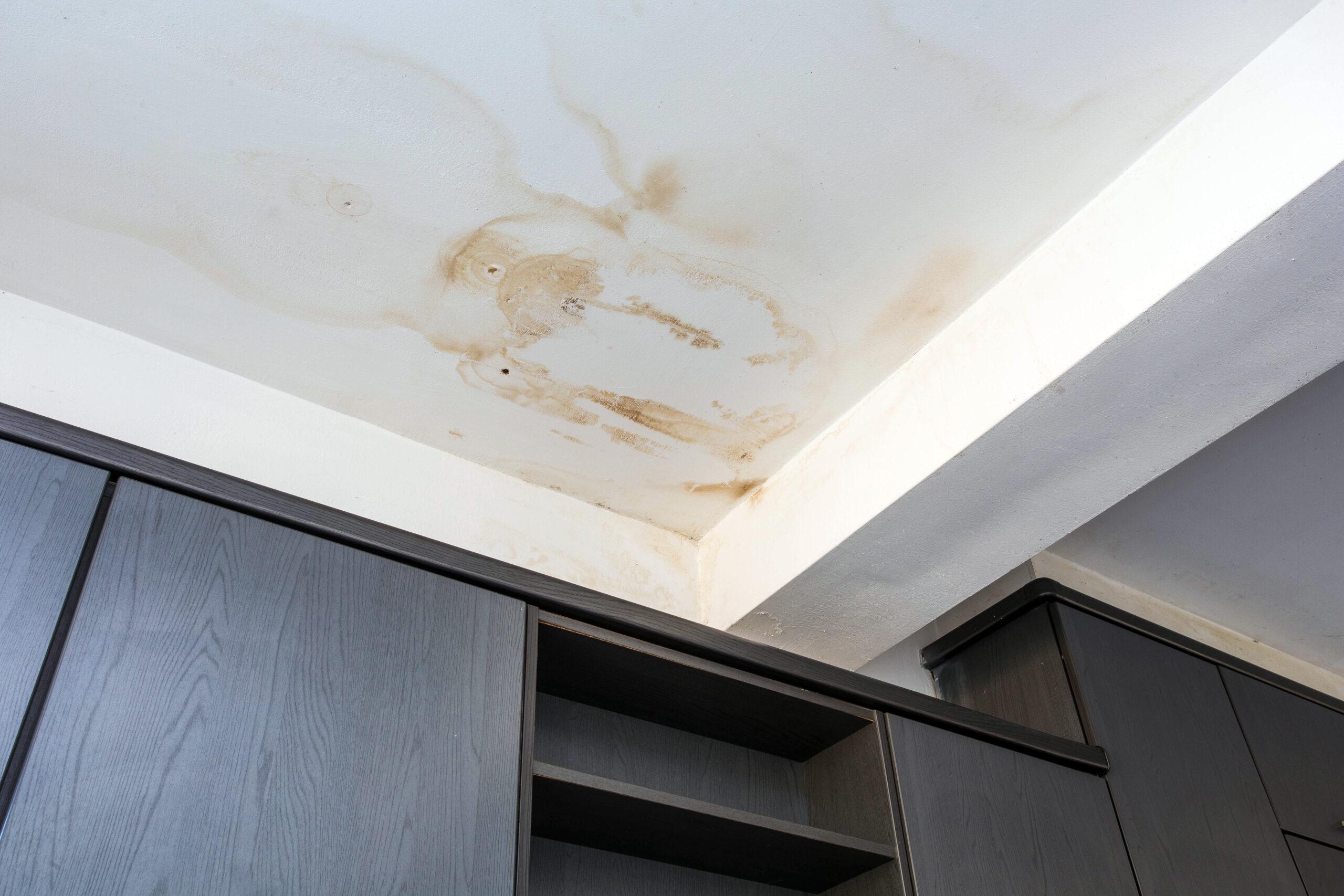
Does Homeowners Insurance Cover Water Damage? It Depends on the Source


Does homeowners insurance cover water damage? Yes, when the water comes accidentally from inside the house, such as a burst pipe, a split washing machine hose or an overflowing toilet. It does not cover flooding, water that seeps in from the ground, sewer backups without an add-on, or damage from a leak that went on for weeks. What decides the claim is where the water came from and whether an exclusion applies.
Some guides say the damage must be "sudden and accidental." That phrase is not actually the test in the standard policy. The real test is the source of the water and the list of exclusions. This guide goes through the common sources one by one, using the wording of the standard ISO HO-3 homeowners form.
How the standard policy works
The standard HO 00 03 form covers the house itself on an open-perils basis. Any damage is covered unless the policy excludes it. Your belongings are covered only for named perils, and one of them is "accidental discharge or overflow of water or steam from within a plumbing, heating, air conditioning or automatic fire protective sprinkler system or from within a household appliance."
Three rules run through every water claim:
- The policy pays for the water damage, not the pipe or appliance that failed.
- It pays to tear out and replace parts of the building needed to reach and fix the system that leaked.
- Exclusions for wear and tear, mold, flood, backup and ground water can remove coverage even when the water came from inside.
Covered vs not covered, by source
Burst or leaking pipes
Covered when the pipe fails and releases water accidentally, subject to exclusions. The damage to floors, walls, ceilings and belongings is covered. Fixing the pipe is not. Leaks that drip for weeks may be excluded if your insurer's form has a repeated seepage clause. See slow leak claims.
Frozen pipes
Covered if you used reasonable care to maintain heat in the building or shut off the water and drained the system. The issue can arise in vacant or unheated homes. See frozen pipes insurance claims.
Appliances: washing machines, dishwashers, water heaters, refrigerators
Water damage from a hose that splits or a tank that bursts can be covered. The appliance itself is not. See water heater leaks.
Toilets, tubs and showers
A sudden overflow can be covered. Damage from water that slowly escapes past worn grout, caulk or a failed shower pan over months can be denied as wear and tear or, under some insurers' forms, repeated leakage.
Air conditioning units
Accidental discharge from an air conditioning system is listed in the policy, so a sudden overflow or a burst line is generally covered. A clogged drain line that drips for months is the kind of claim that gets disputed.
Roof leaks and rain
If a storm damages the roof and rain gets in, the interior damage is generally covered. For belongings, the policy says rain damage to items inside the house is covered only if wind or hail first made an opening in the roof or wall. Leaks from an old, worn roof can be denied as wear and tear. See wind-driven rain damage.
Ice dams
Interior water damage from an ice dam is generally covered. Removing the ice itself may not be covered, and a worn roof that let the water in can lead to a wear and tear dispute.
Water used to put out a fire
Covered as part of the fire loss.
Sewer or drain backup and sump pump overflow
Excluded in the standard form. You need a water backup endorsement, which has its own limit. See sewer backup coverage.
Flood and surface water
Excluded. That includes overflowing rivers, storm surge and rainwater that runs across the ground and into the house. You need a separate flood policy, such as one from the National Flood Insurance Program. FEMA says there is typically a 30-day waiting period before a new NFIP policy takes effect.
Groundwater through the foundation
Excluded. The standard form excludes water below the surface of the ground, including water that seeps or leaks through a foundation, wall or floor.
Mold
Excluded, except when it is hidden inside walls, ceilings or floors and results from an accidental leak from a plumbing, heating, air conditioning or sprinkler system or an appliance. Some policies add a separate mold limit. See mold insurance claims.
What a covered water claim pays for
When the water damage is covered, the claim can include more than drywall and flooring:
- Emergency water extraction and drying, which your policy expects you to arrange to prevent further damage.
- Tear-out to reach the leak, and the rebuild afterward.
- Damaged belongings such as furniture, rugs, clothing and electronics.
- Additional living expenses if the house is not livable during repairs.
- Code upgrades required during the repair, up to the policy's ordinance or law limit.
Your deductible applies once per claim. Our guide to water mitigation in an insurance claim explains the first days.
Why insurers deny water claims
Denials can come from a short list: long-term leaking, wear and tear, flood or groundwater, a backup without the endorsement, freezing in an unheated home, or mold. Each one has a specific answer if the facts support you. See water damage claim denied for the reasons and the evidence that counters each.
Endorsements that change your water coverage
Your declarations page and endorsements can widen or narrow everything above. Three are worth checking before you need them.
A water backup endorsement adds coverage for sewer and drain backup and sump overflow, up to a set limit, such as $5,000 to $25,000, sometimes with its own deductible. A mold or fungi endorsement sets how much the policy pays for mold removal. ISO's basic option, for example, is a $10,000 annual limit. Some insurers also replace parts of the standard water wording with their own, such as a repeated seepage exclusion with a set number of days. Read those pages now, while changing coverage is still possible.
What to do right after water damage
- Stop the water. Shut off the main valve or the appliance supply.
- Take photos and video of the source and every wet area before cleanup.
- Call a plumber and keep the failed part if you can.
- Start drying quickly. Keep every invoice.
- Report the claim promptly and write down the claim number.
- Don't throw out damaged items until they are photographed and listed.
Common questions
Does homeowners insurance cover water damage from a leaking roof?
Yes, if a storm or another covered cause damaged the roof. A leak from an old roof that wore out can be excluded as wear and tear.
Does homeowners insurance cover a leak under the sink?
A sudden failure of a supply line or fitting can be covered. A slow drip that rotted the cabinet floor over months can be denied.
Does homeowners insurance cover water damage in the basement?
It depends on the source. A burst pipe or water heater can be covered. Groundwater seepage, flooding and sewer backup are not, unless you have the right endorsement or a flood policy.
Does homeowners insurance cover water damage caused by a neighbor?
Your own policy covers your damage if the cause is covered. Your insurer may then go after the neighbor's insurer. If you live in a condo, the association's master policy and your own HO-6 policy may both be involved.
Need help with a water damage claim?
ClaimWarriors handles water claims from first inspection to final payment. See how we work on water damage insurance claims, or contact us for a free claim review.
This article is general information, not legal advice. Coverage depends on your policy wording and endorsements. Last reviewed November 2026.