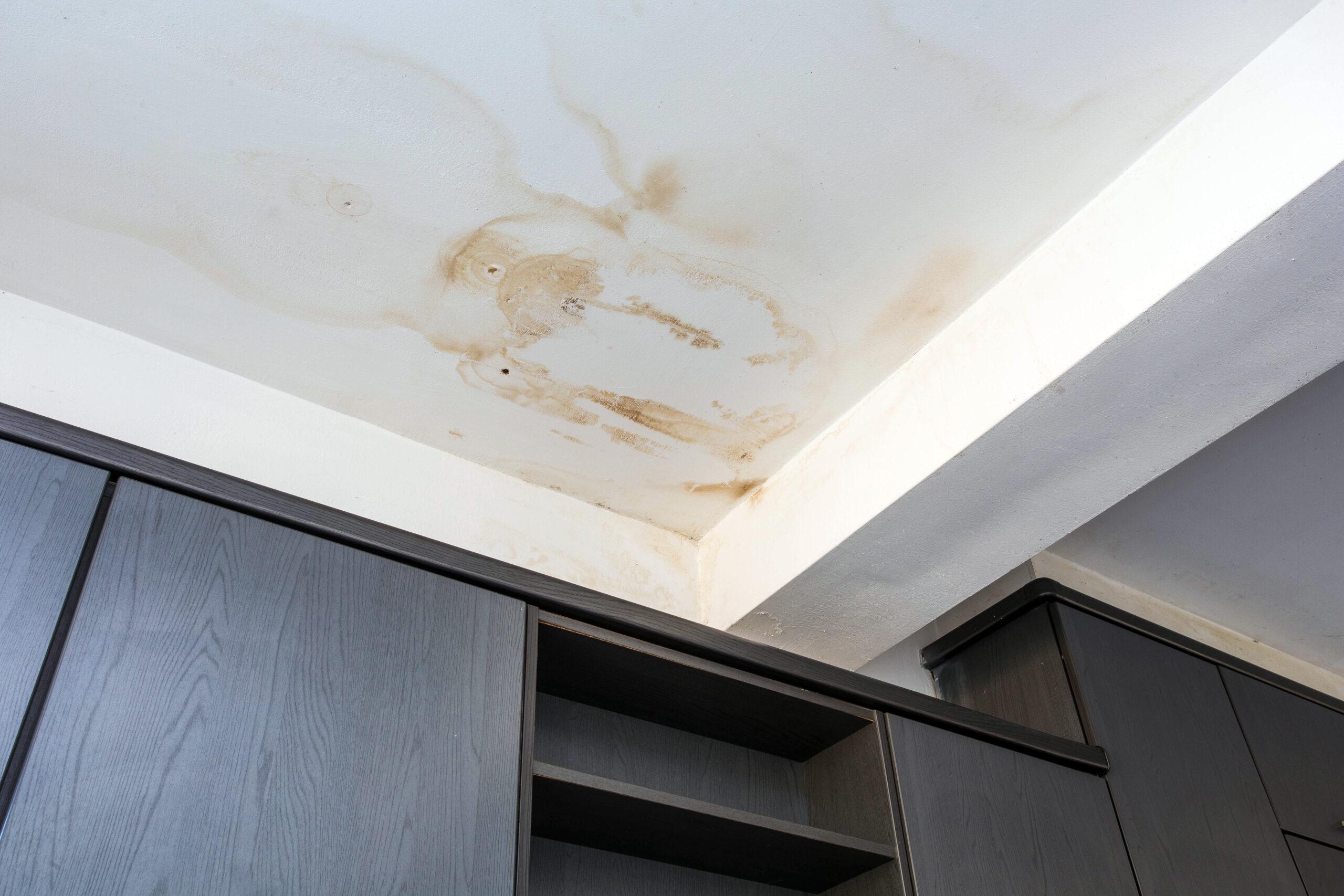
Does Homeowners Insurance Cover Leaking Windows and Water Damage?


Does homeowners insurance cover leaking windows? It covers water damage from a window leak when a sudden covered event caused it, such as wind or hail breaking the glass or a tree limb smashing the frame. It generally doesn't pay to fix a window that leaks because seals wore out, caulk failed, flashing was installed wrong or the frame rotted over time. When the cause is excluded, the policy may still pay for some ensuing damage, depending on the wording. The cause of the leak decides the claim.
This guide explains how a standard policy treats window leaks, how rain inside the home is handled, and how to document the claim.
Covered causes
The ISO HO 3 form covers the dwelling against direct physical loss unless excluded. See the 2011 HO 3 form. Covered window damage can include:
- Glass broken by wind, hail or flying debris.
- A frame or sash damaged by a falling tree or limb.
- A window forced open or broken in a burglary.
- Heat or impact damage from a fire or explosion.
Water that enters through a window broken by a covered event, and damages walls, floors and trim, is part of the same loss. The policy also pays reasonable costs to protect the property from further damage, such as boarding the opening. See broken window insurance coverage and wind damage to siding and windows.
Excluded causes
The same form excludes loss caused by:
- Wear and tear, marring and deterioration.
- Latent defect and mechanical breakdown.
- Rust, corrosion and dry rot.
- Mold, fungus and wet rot, with limited exceptions.
- Faulty, inadequate or defective workmanship, materials or maintenance.
A window whose seals failed with age, or whose flashing was never installed correctly, falls under these exclusions. The cost of replacing the window itself isn't covered.
Ensuing loss
The faulty workmanship exclusion in the ISO form says that ensuing loss not otherwise excluded is covered. If a badly installed window lets in water that damages the drywall, the insurer may pay for the drywall even though it won't pay for the window. Whether the water damage is covered depends on the rest of the wording, such as the mold exclusion and any added exclusions in your insurer's own form. Some insurers add language excluding water that leaks repeatedly over time. Read your policy and ask the insurer to cite the wording it relies on.
Wind-driven rain
Rain blown through a closed window that isn't damaged can lead to a dispute. Under the HO 3 form, personal property damaged by rain inside the building is covered only if wind or hail first makes an opening in the roof or a wall. Some insurers apply a similar rule to the dwelling. If the window is intact and rain was forced through the seals, the insurer may deny the claim. See wind-driven rain damage.
Water from outside the window
Water running down an exterior wall from an overflowing gutter can soak a window frame and get into the wall. Gutters aren't part of the plumbing system under the ISO definition, and the policy's water exclusion covers surface water and water below the ground that seeps through a foundation. See gutter damage claims.
Water through a skylight or a window near solar panel mounts raises the same cause question. See solar panel storm damage.
Code upgrades when a window is replaced
When a covered loss requires replacing a window, local building codes may require a different product than the one you had, such as safety glass near a door or an egress-size window in a bedroom. The ISO form's ordinance or law additional coverage pays up to 10% of the dwelling limit for the extra cost of meeting codes when repairing covered damage. Ask the contractor whether code applies, and include it in the estimate as a separate line.
Matching other windows
If one window in a set is replaced and the new one doesn't match the others in style or color, ask whether your state's matching rules apply. The answer depends on state law and the policy.
Condensation
Condensation on the inside of windows comes from indoor humidity meeting cold glass. Damage from it builds up slowly, and the policy's exclusions for wear, deterioration and mold can apply. Fogging between double-pane glass points to a failed seal, which insurers can treat as wear and tear.
Mold from window leaks
Slow leaks around windows can cause mold inside walls. The ISO form excludes mold, fungus and wet rot, except when hidden in a wall or floor and caused by covered water from a plumbing system or appliance. Mold from a window leak doesn't fit that exception. Some policies add limited mold coverage by endorsement. See mold insurance claims.
Interior damage under a window
Water from a window can soak drywall, insulation, flooring and built-ins such as kitchen cabinets. The question of clean, dry or replace comes up for each material. See kitchen cabinet repair or replacement for how insurers approach cabinets.
Preventing window leaks
The U.S. Department of Energy recommends weatherstripping for parts that move, such as operable window sashes, and caulk for gaps around fixed frames. Check caulk and weatherstripping each year, keep weep holes in window frames clear, and repair peeling paint and soft wood before they let water in. Maintenance records help if the insurer later says the leak was from neglect.
How to document a window leak claim
- Photograph the window, the frame, and the interior damage before cleanup.
- Note the date, the weather, and any signs of impact such as dents or cracked glass.
- Save local weather reports showing wind or hail.
- Protect the opening and start drying the interior. Keep receipts.
- Get a window contractor's opinion on the cause.
- Report the claim promptly and ask the insurer to explain any denial in writing.
If the insurer says the leak came from wear and the damage is from a storm, a contractor's report on the impact marks and the date the damage appeared can make the difference.
Example: two leaking windows
In one home, a hailstorm cracks a bedroom window, and rain soaks the carpet and drywall. The insurer pays for the window, the drywall and the carpet, minus the deductible.
In another, a living room window has leaked for months because the sill caulk failed. The insurer denies the window and the rotted framing as wear and deterioration, and denies the mold. These facts are illustrative.
Common questions
Will insurance replace a leaking window?
Only if a covered event, such as wind, hail or a falling tree, damaged it. Old seals or bad installation aren't covered.
Is water damage from a leaking window covered?
It is when the leak came from covered storm damage. If the leak came from wear or bad installation, ensuing water damage may or may not be covered, depending on your policy.
Does insurance cover rain coming through a closed window?
For personal property, only if wind or hail first made an opening. Policies differ on the building itself.
Is window condensation damage covered?
It's unlikely. Gradual damage from condensation can fall under the wear, deterioration and mold exclusions.
Window leak claim denied?
ClaimWarriors investigates the cause of window leaks and documents storm damage. See our water damage claim services or contact us for a free claim review.
This article is general information, not legal advice. Coverage depends on your policy wording and state law. Last reviewed November 2026.