Solar Panel Storm Damage Insurance: What Homeowners Policies Cover


If you own the system, solar panel storm damage insurance comes from your homeowners policy. Panels attached to the roof are generally treated as part of the dwelling, and ground-mounted arrays as other structures, according to insurer guides from companies such as GEICO and Lemonade. Hail, wind and falling trees are covered causes under a standard policy unless your insurer added an exclusion or a separate deductible. Leased panels are different: the solar company owns them and may carry their insurance, so check the lease. Repairing wear, installation defects or electrical breakdown isn't covered, though damage that results from them may be.
This guide explains how panels fit into a homeowners policy, how hail damages them, and how to document a claim, including damage you can't see.
How solar panels are covered
The ISO HO 3 form doesn't mention solar equipment by name. It covers the dwelling and structures attached to it against direct physical loss unless excluded. See the 2011 HO 3 form. Insurers generally treat owned rooftop panels as part of the house under dwelling coverage, and detached ground arrays under other structures coverage, which has its own limit.
Check three things:
- Whether your dwelling limit was raised to include the cost of the system.
- Whether your policy has a wind or hail exclusion, a separate wind and hail deductible, or a cosmetic damage exclusion.
- Whether the insurer knows the panels were installed. Tell your insurer when you add a system.
Leased panels and power purchase agreements
If you lease the system or buy its power under a contract, the solar company owns the equipment and may carry the insurance on it. Read the lease for who pays for storm damage and for removal during roof repairs. Your homeowners policy still covers damage to the roof and the house.
How hail damages panels
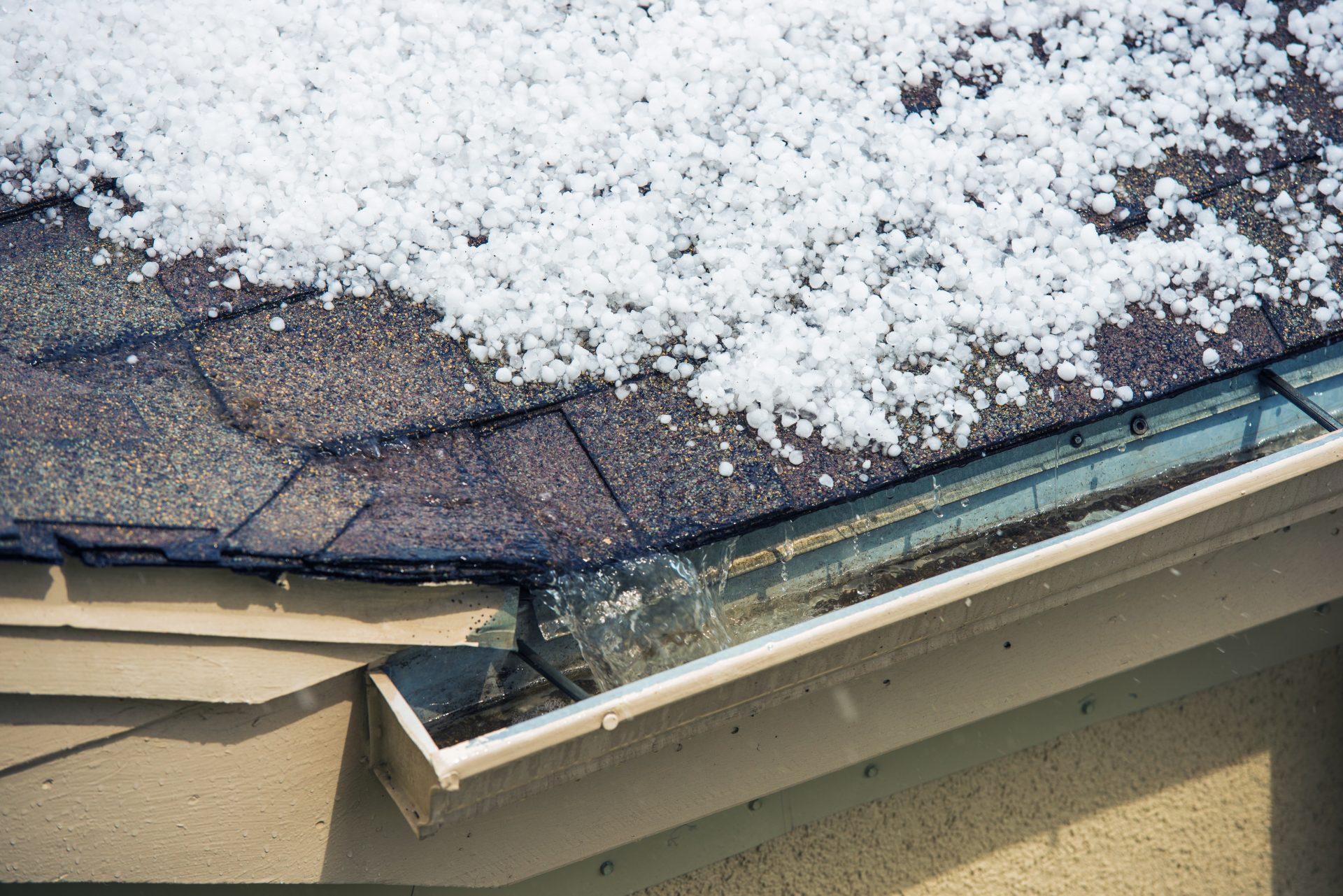
The U.S. Department of Energy's Federal Energy Management Program says panels are "hail certified" when they pass a test of 11 strikes by 25 mm (1 inch) ice balls at 51 mph with less than 5% power loss. Its hail mitigation guidance says modules have historically survived most hail, but very large hail over about 44 mm (1.75 inches) can cause significant damage.
Damage isn't always visible. DOE recommends an infrared, ultraviolet or electroluminescence scan within a month after a hailstorm to find hidden cracks in the cells, and testing for electrical faults before the system is turned back on.
Wind and falling trees
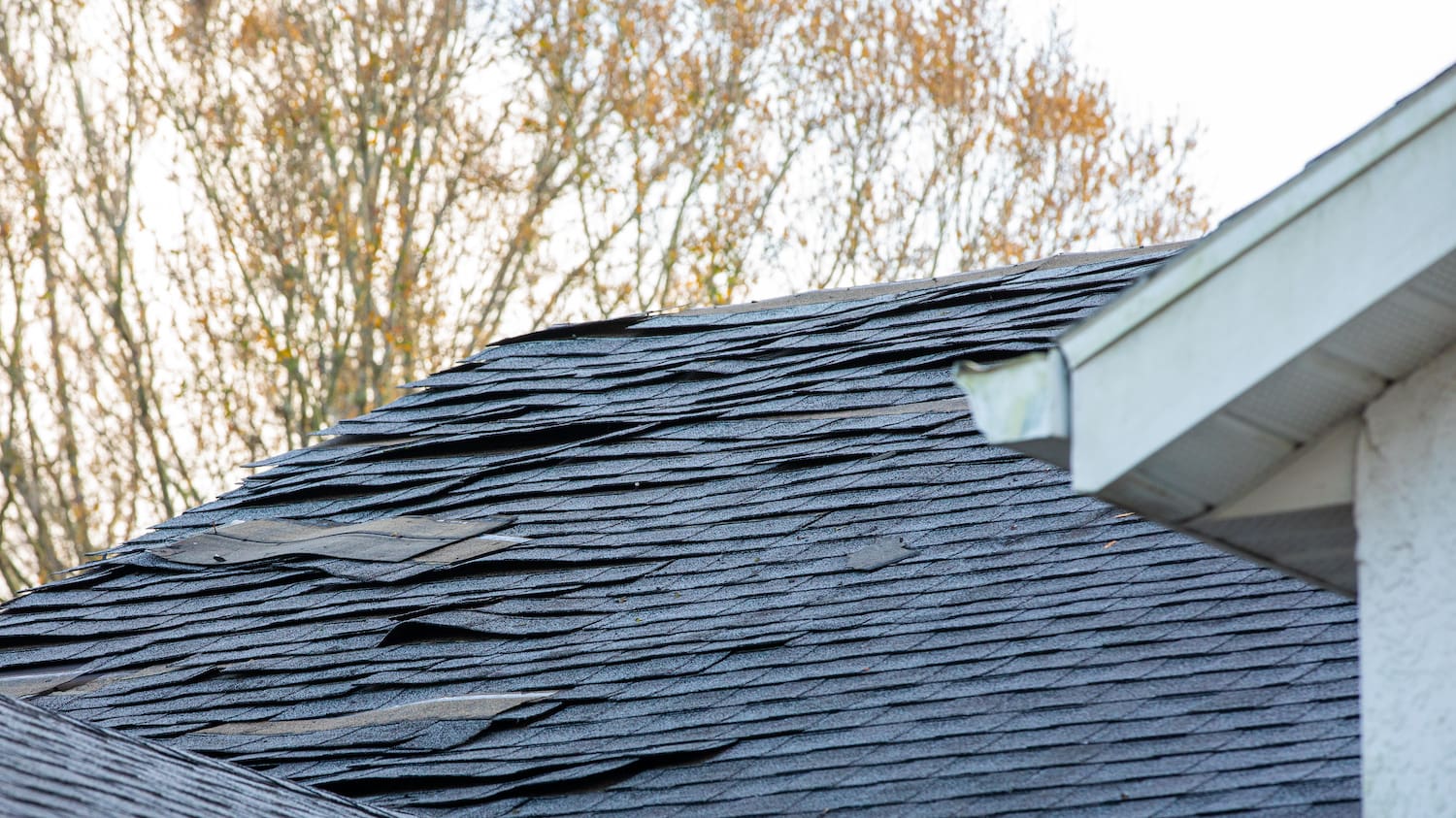
High winds can lift panels and loosen mounts, and they can tear the roofing around the racking. Falling trees and limbs can crush panels and the roof below. Both are covered causes under a standard policy. See tree fell on house.
Ground-mounted arrays
A ground-mounted system that isn't attached to the house falls under other structures coverage, which has a separate limit shown on your declarations page. That limit also has to cover fences, sheds and detached garages. If the array is large, ask your agent whether the limit is enough to replace it along with your other structures. Wind, hail and falling trees affect ground arrays the same way, and the wiring trench to the house is part of the system.
The roof under the panels
Hail and wind that damage panels can damage the roof too. If the roof needs replacing, the panels have to be removed and reinstalled. That cost should be in the estimate as part of the roof repair. See does homeowners insurance cover roof replacement and hail damage roof payouts.
Leaks around racking penetrations can come from storm damage or from poor installation. Installation defects aren't covered, though resulting water damage may be. See leaking windows and water damage for how ensuing loss works. Gutters below the array can be damaged in the same storm. See gutter damage claims.
What isn't covered
- Wear, degradation and reduced output with age.
- Inverter or electrical failure from mechanical breakdown, unless you have an equipment breakdown endorsement.
- Installation defects and workmanship.
- Lost energy savings or lost credits while the system is down, unless your policy says otherwise.
Manufacturer and installer warranties may cover defects. Keep them with your policy.
Documenting a solar panel claim
- Photograph the panels, racking and roof from the ground, safely. Don't climb onto the roof.
- Download your system's monitoring data, which can show a drop in output after the storm.
- Save hail and wind reports for your area and date. See what size hail damages a roof.
- Have a solar installer inspect the system, and ask for an infrared or electroluminescence scan.
- Get a written estimate that includes removal and reinstallation if the roof needs work.
- Report the claim promptly. See how to file a hail damage claim.
Turn the system off if you see damage, and let a qualified installer check it before turning it back on.
Discontinued panels and matching
The exact panel model on your roof may no longer be sold by the time of a storm. A new panel with a different size, output or electrical rating may not work with the rest of a string or with your inverter. If a replacement can't be matched, ask the installer to explain in writing what else must be replaced for the system to work, and send that to the adjuster. Some states have matching rules that require a reasonably uniform result when replacement parts don't match. See insurance matching laws.
Working with the installer and the adjuster
Ask for the adjuster's inspection to happen with your installer present, so the installer can point out cracked cells, loose mounts and damaged wiring. Give the adjuster the scan results and monitoring data before the inspection. If the insurer's estimate leaves out the electrical work, permits, or the removal and reinstallation of the array, ask for those lines to be added, with the installer's quote as support.
Hail-resistant panels
If you're replacing panels, DOE's guidance recommends glass at least 3.2 mm thick for hail resistance, along with panels that meet hail testing standards. Ask your installer about hail ratings before choosing replacements.
When the insurer says the damage is cosmetic
Some policies include cosmetic damage exclusions that apply to roofing or other surfaces. A panel with cracked cells that produces less power is hard to call cosmetic, though the answer depends on how the exclusion defines cosmetic damage. Monitoring data and scan results can show functional damage even when the glass looks intact.
Example: a hailstorm and a rooftop array
After a hailstorm, a homeowner's monitoring app shows output down noticeably on one string of panels. The glass looks fine from the ground. An electroluminescence scan finds cracked cells in several panels. The insurer pays to replace those panels and the damaged shingles, including removal and reinstallation of the array. These facts are illustrative.
Common questions
Does homeowners insurance cover solar panels?
Owned panels are generally covered as part of the dwelling or other structures. Check your limits and any exclusions.
Are leased solar panels covered by my policy?
Check the lease. The leasing company owns them and may insure them. Your policy covers your roof and home.
What size hail damages solar panels?
DOE says panels have historically survived most hail, with significant damage from hail over about 44 mm (1.75 inches).
Does insurance pay to remove panels for a roof replacement?
When the roof replacement is a covered loss, removal and reinstallation should be part of the estimate.
Solar panel claim underpaid?
ClaimWarriors documents hail and wind damage to panels and roofs. See our hail damage claim services or contact us for a free claim review.
This article is general information, not legal advice. Coverage depends on your policy wording and state law. Last reviewed November 2026.