Wind Damage Siding Insurance Claim: Siding, Trim and Windows


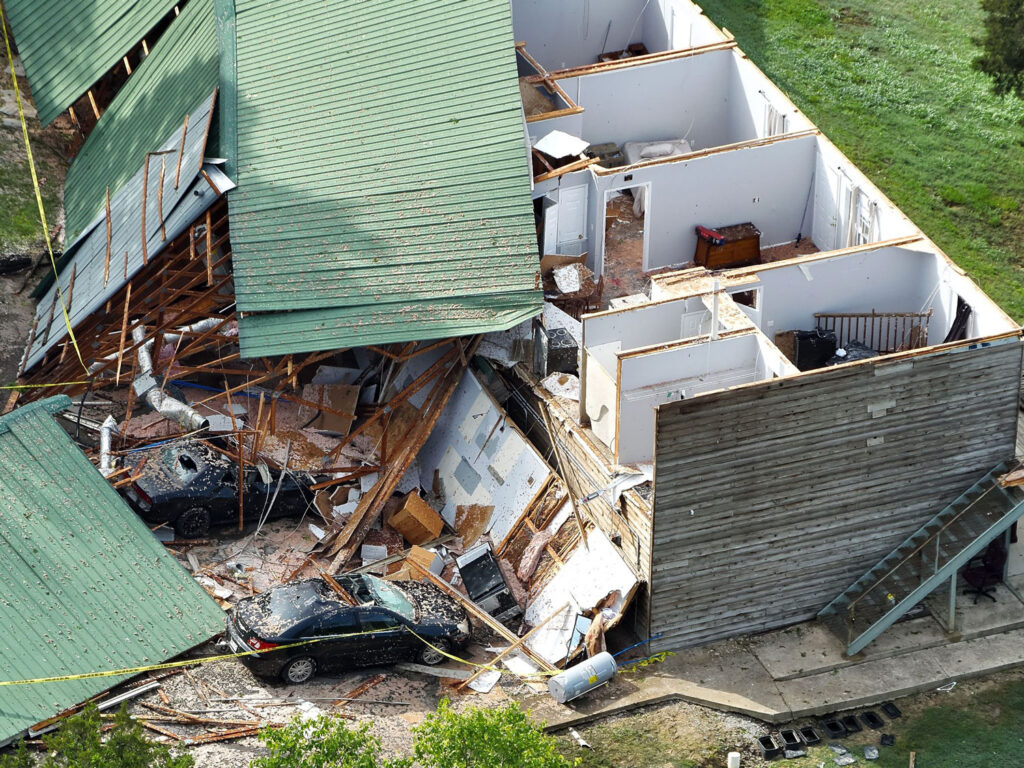
A wind damage siding insurance claim covers siding that wind tears loose, cracks or blows off, along with windows, trim, soffits and fascia damaged in the same storm. Standard homeowners policies cover windstorm, so the repair or replacement is paid minus your deductible. The fights come later: whether the insurer replaces only the missing pieces or the whole wall, whether new siding will match, and whether the damage came from the storm or from age.
This guide explains what's covered, how matching works, and how to document wind damage so the claim covers everything the storm did.
What's covered
The ISO HO 3 form, a standard form insurers use as a model, covers the dwelling against any direct physical loss that isn't excluded. Windstorm isn't excluded. Its 2011 edition also has separate coverage for broken glass. A wind claim on the exterior can include:
- Vinyl, aluminum, fiber cement or wood siding that is missing, cracked, loosened or bent.
- House wrap and sheathing torn or soaked when siding blew off.
- Soffits, fascia, trim and corner posts.
- Windows broken by wind or debris, plus frames, screens and shutters.
- Gutters and downspouts.
- Interior damage from rain that came in through a storm-made opening.
What isn't covered
- Siding that was already loose, faded, brittle or warped from age.
- Siding that came off because it was installed with too few fasteners or without proper locking, where the insurer can show faulty installation.
- Leaks behind siding that built up over time.
- Cosmetic damage, if your policy has a cosmetic damage exclusion that applies to siding.
Insurers sometimes argue that siding blew off only because it was old or badly installed. The standard form excludes faulty workmanship but covers ensuing loss that isn't otherwise excluded. Ask what evidence the insurer relies on, and have your contractor note fastener spacing and the condition of the remaining siding.
Matching
Siding can lead to matching disputes. Vinyl colors fade in the sun, and profiles are discontinued. Replacing a few panels with new ones can leave a visible patch.
A NAIC model regulation says that when replaced items don't match in quality, color or size, the insurer should replace all such items in the area to achieve a reasonably uniform appearance. Several states have adopted a version, including California, Florida, Utah, Ohio, Iowa, Nebraska, Kentucky, Rhode Island and Connecticut. Utah's rule, R590-190-13, applies when repaired or replaced items don't match in color, texture or size. In states without a rule, the answer depends on the policy wording and court decisions. See insurance matching laws.
To support a matching request, get the siding's manufacturer and profile if you can, a supplier's written statement that it's discontinued, and photos showing the new and old pieces side by side.
Windows in a wind claim
Windows broken by wind or flying debris are part of the claim, along with screens, frames and interior damage from rain through the opening. Check every window on the side facing the storm, including small cracks and bent frames. See does homeowners insurance cover broken windows.
Damage that's easy to miss
Wind can leave damage that isn't obvious from the yard. Panels can be unlocked from the row below and still hang in place, ready to blow off in the next storm. House wrap behind a missing panel may be torn, and sheathing can get wet before anyone covers the gap. Soffit panels can be pushed up into the attic, letting rain and animals in. Gutters may pull away from the fascia at one end. Walk each side of the house slowly, press gently on panels near the corners and the top of the wall, and look up at the soffits. Add anything you find to the claim before repairs start.
Deductibles
Some policies in storm-prone areas use a separate wind and hail deductible set as a percentage of the dwelling limit. If your deductible is 2% of a $350,000 limit, it's $7,000, so a claim for a few panels may not be worth filing. If the whole side of the house needs new siding for matching, the numbers change. Get an estimate before deciding.
Hail versus wind
Hail and wind can come together. Hail cracks or punctures siding and dents trim, while wind pulls panels loose and blows them off. Both are covered under the same wind and hail deductible where your policy has one. See hail damage to siding.
Example: a gust and one side of a house
Straight-line winds strip vinyl siding from the west wall of a 15-year-old house and break one window. The installer who supplies the siding says the profile and color were discontinued years ago. The adjuster's estimate covers 14 replacement panels and the window.
The homeowner sends photos of a sample new panel next to the old siding, the supplier's discontinuation letter and the state's matching regulation. The insurer revises the estimate to reside the full west wall. It declines to pay for the other three walls, which weren't damaged and are around corners from the repair. These facts are illustrative.
Questions to ask the adjuster
At the inspection, ask which elevations the adjuster is including, whether the estimate replaces whole walls or individual panels, and whether house wrap, trim and corner posts are in it. Ask how the insurer decided the siding can be matched, and whether it checked with a supplier. Write down the answers and the adjuster's name.
How to document wind damage to siding
- Photograph every side of the house, wide and close up, including missing pieces, loose panels and debris in the yard.
- Collect pieces of siding that blew off. They help identify the product.
- Save weather reports for the date, such as wind gusts recorded nearby.
- Cover openings with house wrap or plastic to keep water out, and keep receipts.
- Get a siding contractor's written estimate that notes manufacturer, profile, color and whether matches are available.
- Be present at the adjuster's inspection and point out loosened panels that are still on the wall.
- If the insurer pays only for patching, send your matching evidence in writing.
For other storm damage, see does homeowners insurance cover storm damage, does homeowners insurance cover tornado damage and wind damage roof claims.
Common questions
Does homeowners insurance cover siding blown off by wind?
Yes. Wind is a covered peril, so missing or damaged siding is covered, minus your deductible.
Will insurance replace all my siding if some is damaged?
Not automatically. It depends on whether new siding can reasonably match, your state's matching rules and your policy wording.
Can the insurer deny a siding claim for age?
It can deny damage that was already there from wear. Siding that blew off in a storm is wind damage, even on an older house, unless the insurer can show an exclusion applies.
Do I need to file a claim for a few loose panels?
Compare the repair cost with your deductible first. If the panels can't be matched, the claim may be larger than it looks.
Wind claim underpaid?
ClaimWarriors documents wind damage and makes the case for matching when patch repairs won't work. See our storm and wind damage claim services or contact us for a free claim review.
This article is general information, not legal advice. Coverage and matching rules depend on your policy and state law. Last reviewed November 2026.