Are Gutters Covered by Homeowners Insurance?


Are gutters covered by homeowners insurance? Yes, when they're damaged suddenly by a covered cause such as wind, hail, a falling tree or the weight of ice and snow. Gutters attached to the house are part of the dwelling. Insurance won't pay to replace gutters that rusted, sagged with age or failed because they weren't cleaned. Water damage from clogged or overflowing gutters can be disputed, because the policy treats gutters differently from plumbing and excludes surface water.
This guide explains when gutter damage is covered, how insurers handle water from gutters, and how to document a claim after a storm.
Gutters are part of the dwelling
The ISO HO 3 form covers the dwelling, including attached fixtures, against direct physical loss unless excluded. See the 2011 HO 3 form. Gutters, downspouts, guards and fascia are part of the house. Gutters on a detached garage fall under other structures coverage.
Covered causes
- Wind that tears gutters loose or bends them.
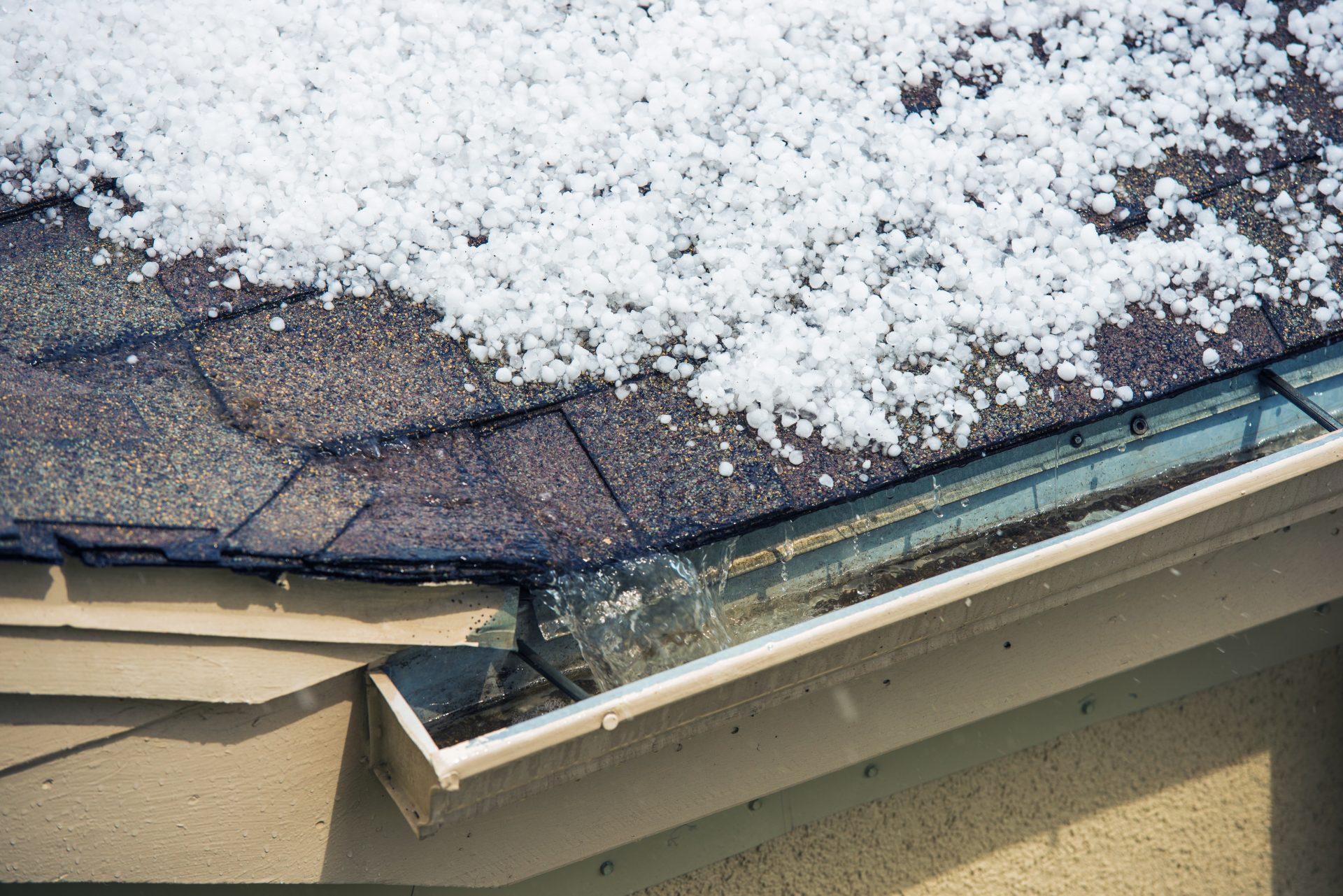
- Hail that dents or cracks gutters and downspouts.
- A tree or large limb that falls on the roof edge.
- The weight of ice and snow that pulls gutters off the fascia.
- A vehicle that hits a downspout, depending on the policy.
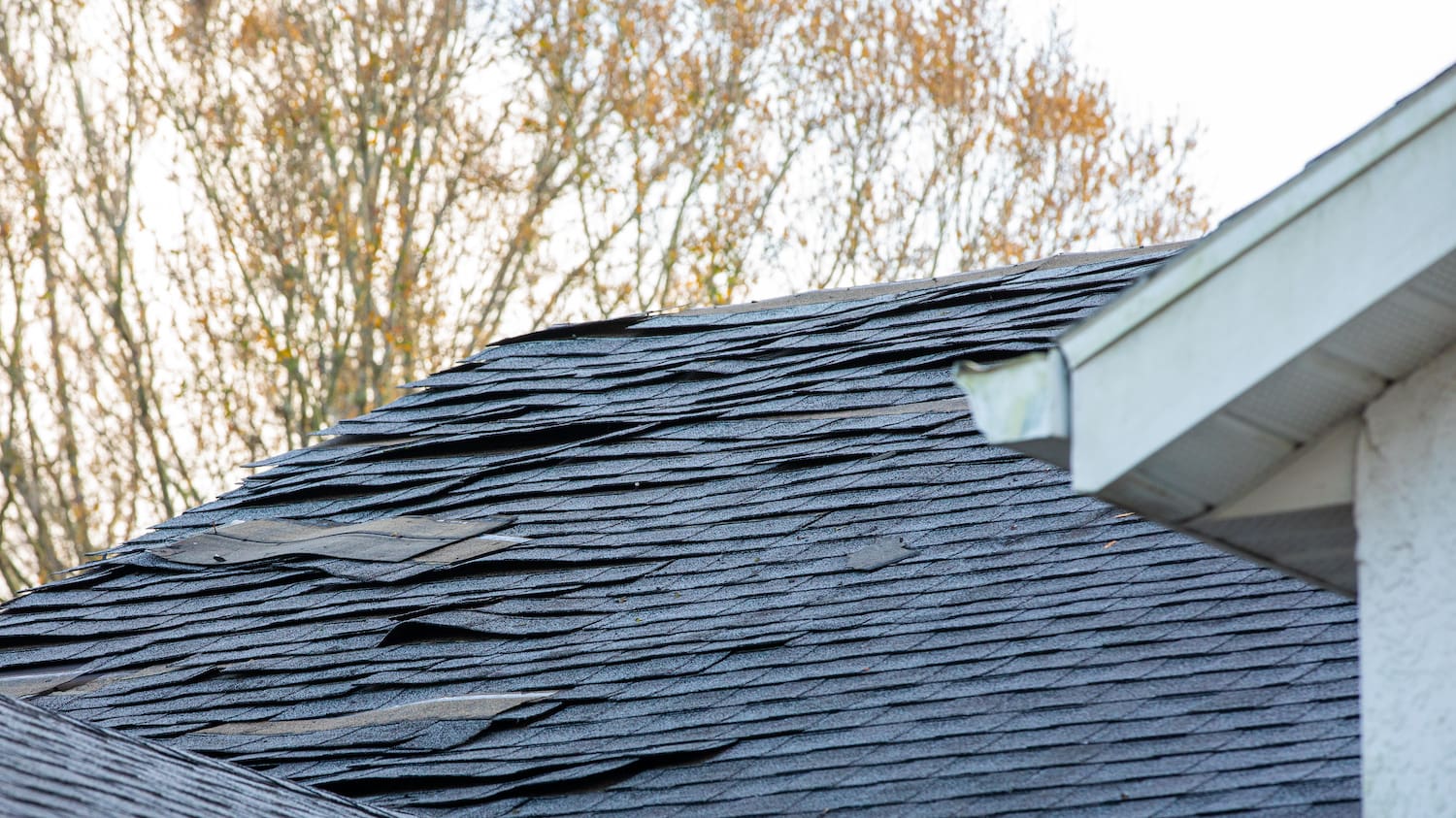
When a storm damages gutters, it can also damage the roof, siding and windows. Report everything in one claim. See does homeowners insurance cover storm damage, hail damage to siding and tree fell on house.
Excluded causes
The form excludes wear and tear, deterioration, rust and corrosion, and damage from faulty maintenance. Gutters that sag because hangers failed with age, leak at rusted seams, or pulled away because they were packed with debris are maintenance issues.
Some policies add a cosmetic damage exclusion for roofing and metal surfaces. Under those, hail dents in gutters that don't affect how they work may not be paid. Check your declarations and endorsements.
Ice dams and gutters
Ice dams form at the roof edge and can tear gutters off and push water under shingles. Damage from the weight of ice is a covered cause under the dwelling coverage of a standard form. Water from an ice dam that gets inside raises its own questions. See ice dam insurance claims.
Water damage from clogged or overflowing gutters
The ISO form defines the plumbing system in a way that leaves out roof drains, gutters and downspouts, so water from gutters doesn't get the coverage that a burst pipe gets.
The form's water exclusion also removes surface water and water below the surface of the ground, including water that seeps through a foundation. Water that pours from an overflowing gutter, pools against the foundation and leaks into the basement can fall under that exclusion. Flood insurance doesn't apply unless there was a general flood in the area.
Water that runs down an exterior wall and enters through a window or siding raises the cause question. See leaking windows and water damage. Gutters below a rooftop solar array can be damaged in the same storm as the panels. See solar panel storm damage.
Keeping water away from the foundation
The U.S. Department of Energy's building science guidance says gutters and downspouts should discharge at least 5 feet from the foundation, or to an underground system at least 10 feet away. See the DOE gutter and downspout guidance. FEMA's mitigation guidance says well-maintained gutters can double or triple the life of a roof drainage system and help keep water out of the structure. Clean gutters before the rainy season and after leaf fall, and keep records of the work.
Fascia, soffit and the roof edge
Gutters hang from the fascia board, and when a storm or ice pulls them down, the fascia, soffit and drip edge can come with them. Rotted fascia that let the gutter fall is a maintenance problem, but sound fascia torn off in a storm is part of the covered loss. Ask the contractor to inspect the wood behind the gutter and list any fascia, soffit or drip edge repairs in the estimate, along with any roofing that has to be lifted to reach them.
Underground drain lines
Downspouts that empty into buried pipes can clog or collapse over time. Roots and settling in those lines are maintenance and deterioration problems under a standard policy. If a buried line backs up and water floods against the foundation, the water exclusion may apply. A service line endorsement, where available, may cover some underground lines. Read its definitions before assuming it applies to drain pipes.
Matching new gutters
Seamless gutters run in long lengths, and a damaged section may not match the color or profile of the rest. If only part of the system is replaced and the new section doesn't match, ask whether your state's matching rules apply. Some states require a reasonably uniform appearance. See insurance matching laws.
Is a gutter claim worth filing?
Gutter repairs alone may cost less than your deductible. If the same storm damaged the roof, siding or windows, the total may exceed it. Get an inspection of the whole exterior before deciding. A separate wind and hail deductible, shown on your declarations page, applies in some policies and may be a percentage of the dwelling limit.
How to document gutter damage
- Photograph the gutters, downspouts and fascia from the ground, and any parts on the ground.
- Look for dents on downspouts and gutter ends, which show hail impacts.
- Note the date and save local storm reports.
- Check the roof, siding, window screens and outdoor items for matching damage.
- Make temporary repairs to stop water from pouring against the house. Keep receipts.
- Get a gutter contractor's estimate that lists the length, material, profile and color.
Example: a windstorm and a falling limb
A windstorm drops a large limb on the back of a house. It crushes 20 feet of gutter, bends the fascia and cracks several shingles. The homeowner files one claim. The insurer pays for the gutter, fascia and shingles, plus the cost of removing the limb from the roof, minus the deductible. A separate section of gutter that was sagging and rusted before the storm isn't paid. These facts are illustrative.
Common questions
Does homeowners insurance cover gutter replacement?
Yes, when wind, hail, ice, a falling tree or another covered cause damaged them. Not for age or rust.
Are hail dents in gutters covered?
Generally yes, unless your policy has a cosmetic damage exclusion that applies.
Does insurance cover water damage from clogged gutters?
It may not, because of the maintenance and surface water exclusions. It depends on how the water got in.
Are gutter guards covered?
Guards attached to the gutters are part of the dwelling and covered for the same causes.
Will my insurer pay to replace all my gutters if only one side is damaged?
Only the damaged sections are paid unless the new ones can't reasonably match and your state's matching rules or your policy require more. Ask the insurer in writing.
Storm damage to gutters and roof?
ClaimWarriors inspects the full exterior after storms and documents every damaged item. See our roof damage claim services or contact us for a free claim review.
This article is general information, not legal advice. Coverage depends on your policy wording and state law. Last reviewed November 2026.