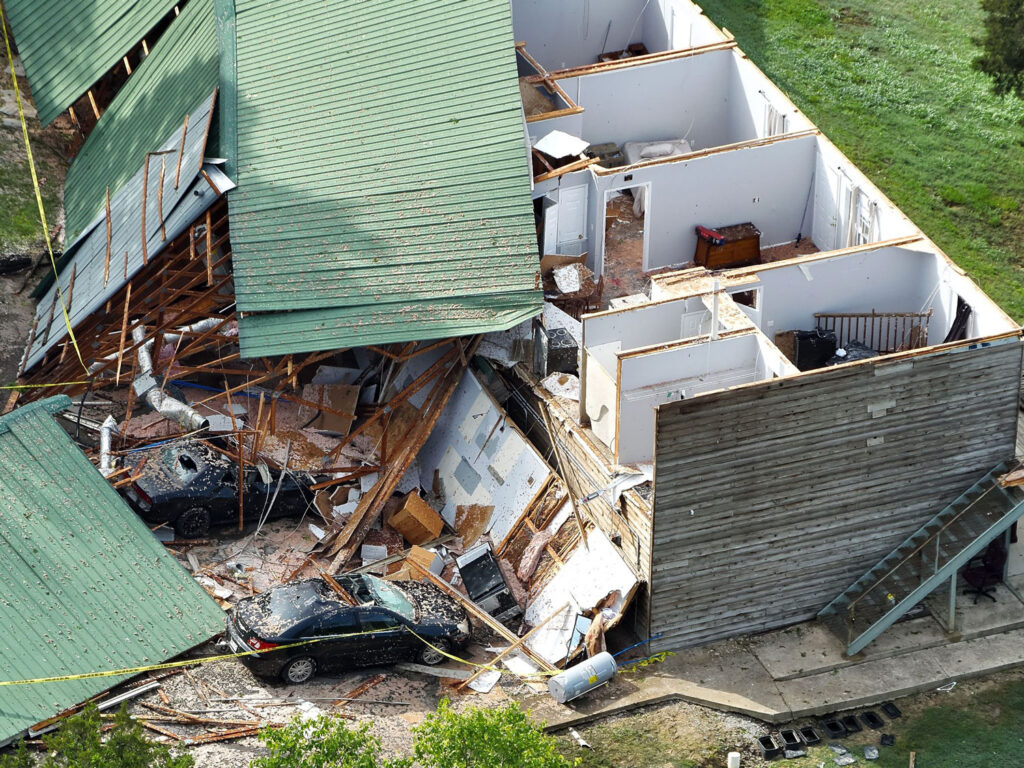
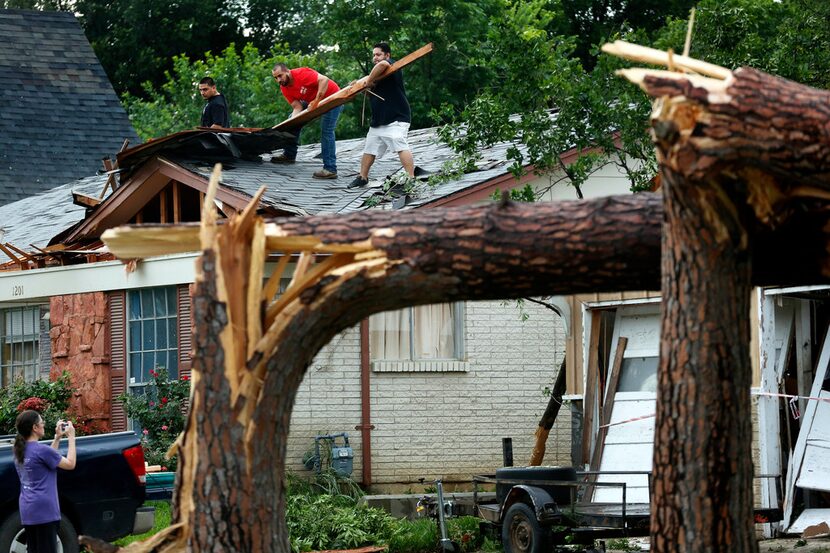
Does Homeowners Insurance Cover a Tree Falling on a Car?


Does homeowners insurance cover a tree falling on a car? No. Homeowners policies exclude motor vehicles, so damage to your car from a falling tree is an auto insurance claim under the comprehensive part of your policy. If you carry only liability coverage, your auto policy won't pay either. Your homeowners policy still matters for the rest of the mess: damage to your house, garage or fence, and in some cases the cost to remove the tree.
This guide sorts out which policy pays for what, what happens when it's a neighbor's tree, and how to handle both claims after a storm.
Why homeowners insurance doesn't pay for the car
The ISO HO 3 form, a standard form insurers use as a model, lists motor vehicles among the property it doesn't cover under personal property. Its 2011 edition also excludes vehicle claims from the liability section. That leaves your auto policy.
The Texas Department of Insurance puts it simply: if a tree falls on your car, your auto insurance will pay for the damage if you have comprehensive coverage.
How comprehensive coverage works
Comprehensive pays for damage to your car from causes other than a collision, such as falling objects, hail, fire, theft and vandalism. You pay your comprehensive deductible, and the insurer pays the rest up to the car's actual cash value. If the repair costs more than the car is worth, the insurer may declare it a total loss and pay its value.
A tree that falls on a parked car is a comprehensive claim. A tree that falls across the road in front of you and that you then drive into may be treated as a collision instead, depending on your insurer, which can mean a different deductible.
Rental cars and personal items
Comprehensive coverage pays to fix the car, but a rental car while yours is in the shop is paid only if your auto policy includes rental reimbursement coverage. Check your declarations page for it and for the daily and total limits. Personal belongings inside the car, such as a laptop or a child's car seat, are handled differently. Auto policies may not cover personal belongings, while a homeowners or renters policy may cover belongings away from home for named perils. A falling object is one of those named perils under the standard homeowners form, so ask both insurers before you assume either one will pay.
Tree on the car and the house
When one tree hits both, you file two claims:
- The car goes to your auto insurer under comprehensive.
- The house, garage, fence or other structures go to your homeowners insurer.
Each claim has its own deductible. See tree fell on house claims for the homeowners side.
Who pays to remove the tree
Your auto policy pays to repair the car, not to haul away the tree. Under the standard homeowners form, tree removal is covered up to $1,000 per loss, with no more than $500 for any one tree, when the tree was felled by windstorm, hail or the weight of ice, snow or sleet and it either damaged a covered structure or blocks a driveway so a registered vehicle can't get in or out. A neighbor's tree that falls on your property is covered under those terms if it fell from one of the policy's named perils.
So if a tree falls only on the car and doesn't block the driveway or hit a structure, your homeowners policy may not pay to remove it. If it blocks the driveway, removal can be covered up to those limits. See does homeowners insurance cover driveway damage.
When it's a neighbor's tree
If a healthy tree falls in a storm, no one is at fault, and each owner's own insurance pays for its own property. The Texas Department of Insurance notes that a neighbor's policy probably won't pay unless the neighbor was at fault, since a neighbor isn't responsible for an act of nature.
It changes if the tree was dead, diseased or visibly damaged and the neighbor knew or should have known. Then the neighbor may be liable for negligence. Your auto insurer may pay your claim and then seek repayment from the neighbor's liability insurer. If you warned your neighbor about a dead tree in writing before it fell, keep that letter.
When your tree hits a neighbor's car
Their car is covered by their comprehensive coverage. Your homeowners liability coverage only comes in if you were negligent, such as ignoring a dead or leaning tree. Your homeowners policy doesn't pay to fix their car just because the tree was yours.
Trees that fall in parking lots and streets
If a city tree or a business's tree falls on your car, your comprehensive coverage still applies. Claims against a city can have short notice deadlines and special rules, so if you think the owner was negligent, ask your auto insurer or a lawyer about the deadline quickly.
Example: a storm, a driveway and a carport
A storm drops a large limb from a homeowner's maple onto the car parked in the driveway and onto the attached carport roof. The limb also blocks the driveway.
The auto insurer pays to repair the car, minus a $500 comprehensive deductible. The homeowners insurer pays to repair the carport roof, minus the homeowners deductible, and pays to remove the limb, since it damaged a covered structure and blocked the driveway. These facts are illustrative.
What to do after a tree falls on your car
- Don't try to move the tree or the car if lines are down or the tree is unstable.
- Photograph the car, the tree, the stump and any damage to buildings or fences.
- Check whether the tree looked dead or damaged before it fell, and photograph the stump.
- File the car claim with your auto insurer and the property claim with your homeowners insurer.
- Get a tree service estimate and keep the invoice for removal.
- If the tree was a neighbor's and you think it was dead or neglected, tell your insurers.
If the storm also damaged your garage door, see does homeowners insurance cover garage door damage. For other storm damage, see does homeowners insurance cover storm damage. Fence damage from the same tree is covered under other structures. See storm-damaged fence claims.
Common questions
Who pays if a tree falls on my car?
Your auto insurer, if you have comprehensive coverage. If you don't, you pay unless someone else was negligent.
Does homeowners insurance cover a neighbor's tree falling on my car?
No. Your comprehensive coverage pays. The neighbor's policy may pay if the neighbor was negligent.
Will a tree falling on my car raise my auto insurance?
It depends on your insurer's rating rules. Ask your agent how a comprehensive claim affects your premium.
Does homeowners insurance cover tree removal after it falls on my car?
Only if the tree also damaged a covered structure or blocks your driveway, up to the policy's tree removal limits.
Property damage from the same storm?
ClaimWarriors handles the homeowners side of storm and tree claims, from roofs and garages to fences. See our storm and wind damage claim services or contact us for a free claim review.
This article is general information, not legal advice. Coverage depends on your policies and state law. Last reviewed November 2026.