Hail Damage to Siding: How the Insurance Claim Works

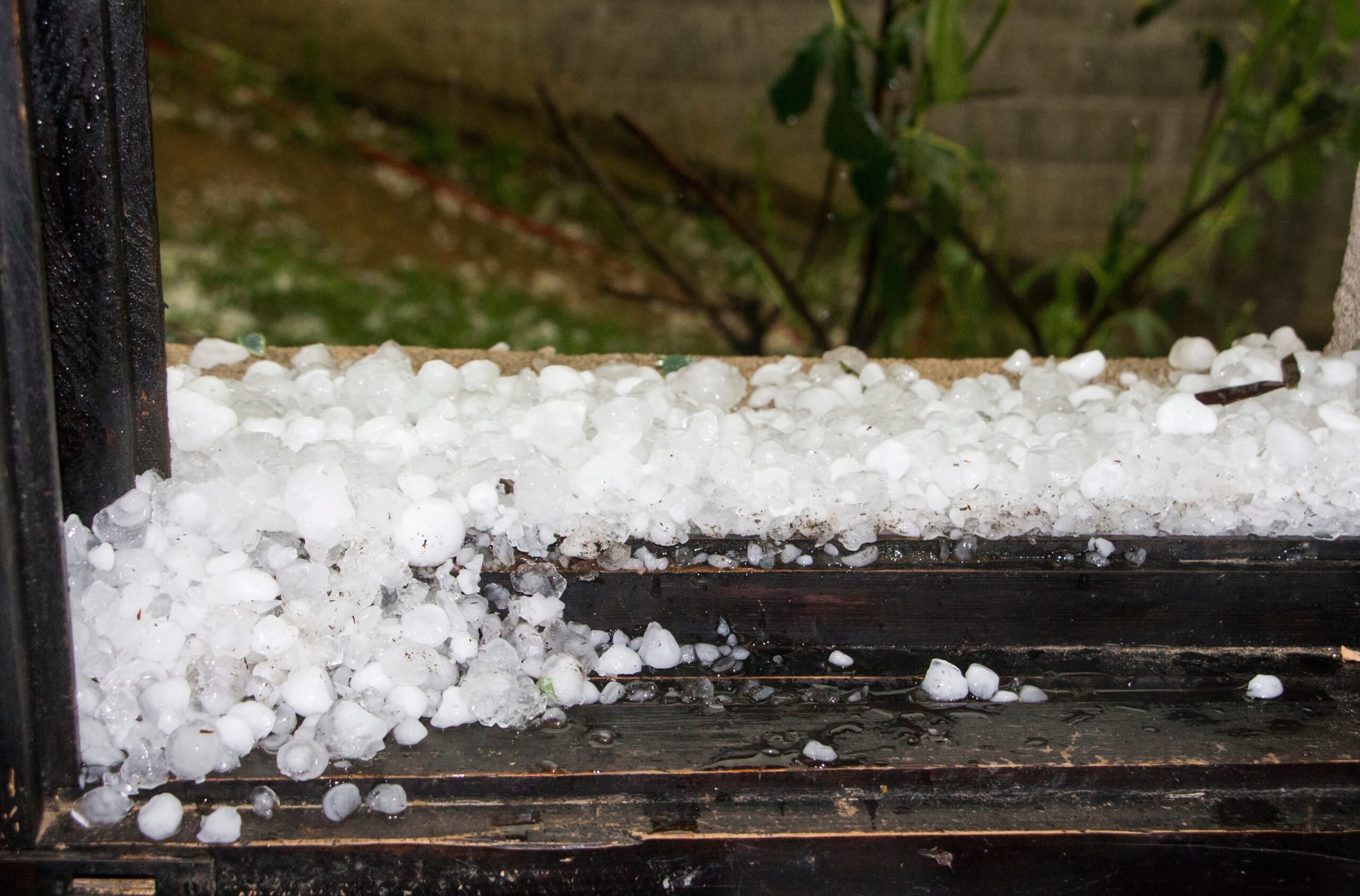
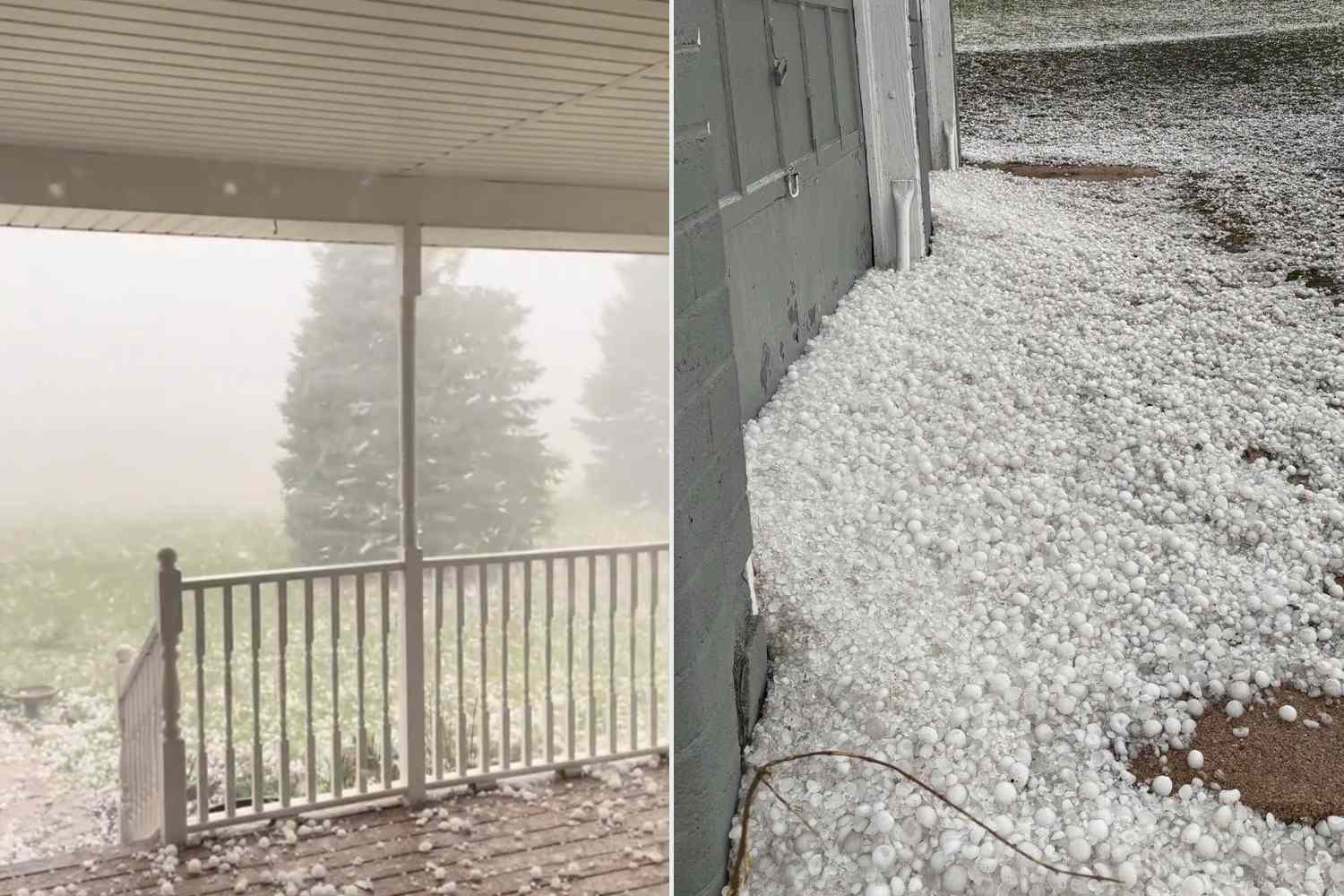
Hail hits siding at an angle, often on one or two sides of the house. Vinyl cracks or punctures. Aluminum and steel dent. Fiber cement chips at the edges. A hail damage siding claim usually turns on three questions: is the damage physical, is it more than cosmetic, and can the repair match what is left on the wall.
What the standard policy covers
The standard homeowners form (ISO HO-3) covers the house on an open perils basis. Hail is not excluded, so siding damaged by hail is covered under Coverage A, subject to your deductible. Detached garages and sheds with damaged siding fall under Coverage B, other structures.
Two things in your own policy can change that answer. One is a cosmetic damage exclusion, which some insurers add for wind and hail. The other is a separate wind and hail deductible, often a percentage of the dwelling limit. Both appear on the declarations page or in the list of endorsements. See the cosmetic hail damage exclusion and how to read a declarations page.
What hail damage looks like on each material
- Vinyl siding: cracks, holes and broken corners, usually on the side that faced the storm.
- Aluminum and steel siding: round dents, sometimes with paint chipped off at the point of impact.
- Fiber cement and wood: chipped edges, split boards and spatter marks where hail knocked off dirt or paint.
- Trim, gutters, window wraps and downspouts: dents in soft metal that show the size and direction of the hail.
Soft metals matter. Dents in gutters, vents and window wraps help prove that hail hit that side of the house on that date, even when a crack in vinyl is hard to read.
Functional or cosmetic
A cracked or punctured panel lets water behind the wall, and insurers usually accept it as damage. Dents in aluminum or steel siding are where disputes start, because the panel may still shed water. If your policy has no cosmetic exclusion, dents are physical damage to covered property, and the question becomes how to repair them. If your policy has the exclusion, the insurer will say dents only change the appearance. Check for water getting in at seams, nails pulled loose and paint loss that leaves bare metal exposed. Those details move damage out of the cosmetic category.
The matching problem
Siding profiles and colors get discontinued, and older siding fades. An adjuster may approve new panels on one wall only. If new panels cannot match the rest, the house ends up with one wall that looks different from the others.
Some states address this directly. California, Connecticut, Nebraska and Utah have rules based on a national model regulation that require a reasonably uniform appearance when replaced items do not match. Connecticut's law covers both interior and exterior. Minnesota has no general matching statute, but its Supreme Court held in Cedar Bluff (2014) that a policy paying for "comparable material and quality" required a reasonable color match for siding, and it upheld an appraisal award of $361,108 for replacing all the siding. See insurance matching laws by state.
To support a matching claim:
- Pull a damaged panel and photograph any manufacturer's stamp on the back.
- Ask a siding supplier, in writing, whether that profile and color are still made.
- Hold a new sample against the faded wall in daylight and photograph it.
- Ask the adjuster which walls the insurer treats as the area that has to match, and why.
Example: cracked panels on one wall
Illustrative numbers: a hailstorm cracks 14 vinyl panels on the west wall and dents the gutters on the same side. The adjuster writes $1,900 to replace the cracked panels and $1,100 for gutters. The siding profile is discontinued, and the closest new color is clearly lighter. Re-siding all four walls costs $18,500. With a $1,000 deductible, the first estimate pays $2,000. If matching applies to all four walls, the payment is about $18,600 before any depreciation holdback. The supplier's letter and the daylight photo decide which number is right.
Under the siding
Hail can tear house wrap and crack sheathing behind a broken panel. Water that gets in can stain interior walls weeks later. When panels come off, ask the contractor to photograph the wrap and sheathing before anything new goes on. Any added cost goes into a supplement. See how to file a claim supplement.
The inspection
Siding is usually checked during the same visit as the roof. Walk the adjuster around all four sides and point out the soft metals. Mark cracked panels with painter's tape before the visit. Photos taken the day of the storm, with the date, carry weight. See what to expect at the adjuster's roof inspection.
Timing
Hail damage to siding is easy to miss and easy to put off. Policies require prompt notice, and some set a one-year deadline for wind and hail claims. A late claim invites the argument that the damage came from a different storm. See how long you have to file a hail claim.
Depreciation and the 180-day notice
Siding claims on replacement cost policies are usually paid in two steps: actual cash value first, and the rest after the work is done. The standard form lets you collect the difference if you tell the insurer within 180 days after the loss that you intend to repair or replace. The same rules apply to roofs. See roof repair vs replacement in an insurance claim.
Common questions
Does homeowners insurance cover hail damage to siding?
Yes, under the standard form. A cosmetic damage exclusion or a separate wind and hail deductible can reduce what you receive, so check your endorsements.
Will insurance replace all my siding if only one side was hit?
Only if the policy or state law requires a reasonable match and a partial repair cannot provide one. Proof that the product is discontinued or does not match is the key evidence.
Are dents in aluminum siding covered?
Dents are physical damage. Without a cosmetic exclusion they are covered. With one, the insurer will argue they are cosmetic, and evidence of water entry, loose fasteners or exposed metal becomes important.
Should I repair the siding before the adjuster comes?
Only temporary repairs that keep water out, such as covering holes. Keep the receipts and photos. Permanent repairs should wait until the damage has been inspected.
Is the house wrap behind the siding covered?
If hail damaged it, yes. It is often found only when panels come off, so document it then and add it to the claim.
Help with a hail damage claim
ClaimWarriors documents hail damage to siding, roofs and trim and handles matching disputes. The fee is free unless we win. Learn how we handle hail damage claims. Contact us for a claim review.
Examples are illustrative. This article is general information, not legal advice. Matching rules vary by state and by policy wording. Last reviewed November 2026.