Roof Repair vs Replacement in an Insurance Claim: When You Get a New Roof

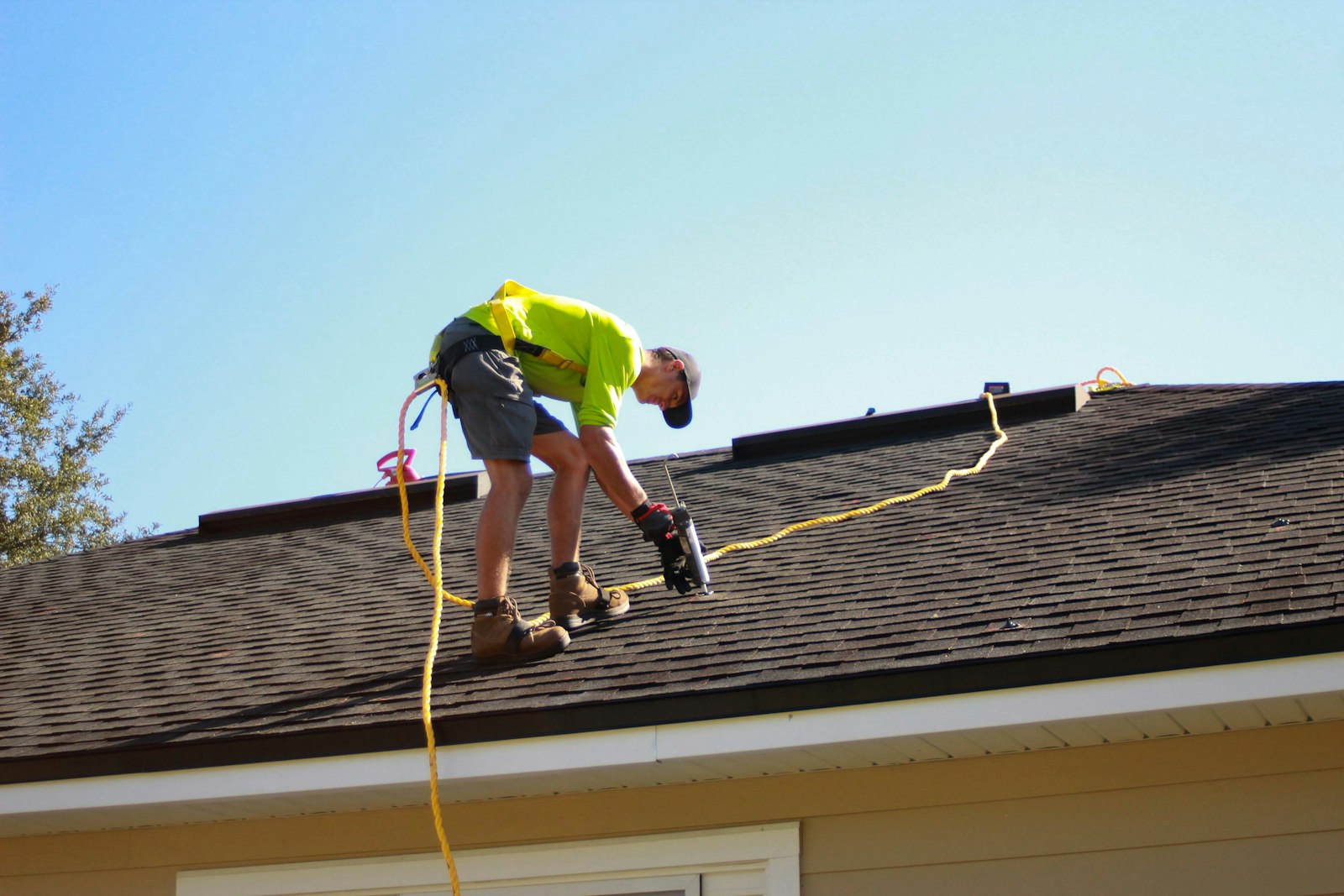
The adjuster approves a few squares of shingles. Your roofer says the whole roof has to come off. Roof repair vs replacement is one of the most common arguments in a hail or wind claim. The policy pays to repair or replace damaged property with material of like kind and quality, and the dispute is usually about what it takes to get there.
What the standard policy promises
Under the standard homeowners form (ISO HO-3), a covered roof loss on a replacement cost basis is paid at the cost to repair or replace the damaged part with material of like kind and quality, up to the limit. Until repair or replacement is complete, the insurer pays actual cash value. The form says nothing about a full or partial roof. It pays for the damage, and whether a repair is enough depends on the facts below.
When a repair is reasonable
- Damage is limited to a few shingles or one area.
- Matching shingles are still made and look the same.
- The existing shingles can be lifted and resealed without breaking.
- The building code allows the repair as planned.
When replacement is the right answer
Damage across the slopes
Hail or wind damage spread across most of a slope, or across several slopes, can make spot repairs impractical. Insurers use their own hit-count thresholds per test square to decide whether a slope is replaced. See what to expect at the adjuster's roof inspection.
No match
Shingle lines are discontinued and colors weather. A patch of new shingles on a faded roof can stand out. California, Connecticut, Nebraska and Utah have rules based on a national model regulation that require a reasonably uniform appearance when replacement items do not match. In Minnesota, the Supreme Court read "comparable material and quality" in a replacement cost policy to require a reasonable color match for siding. Elsewhere it depends on your policy wording and on court decisions. See insurance matching laws and hail damage to siding.
Brittle shingles
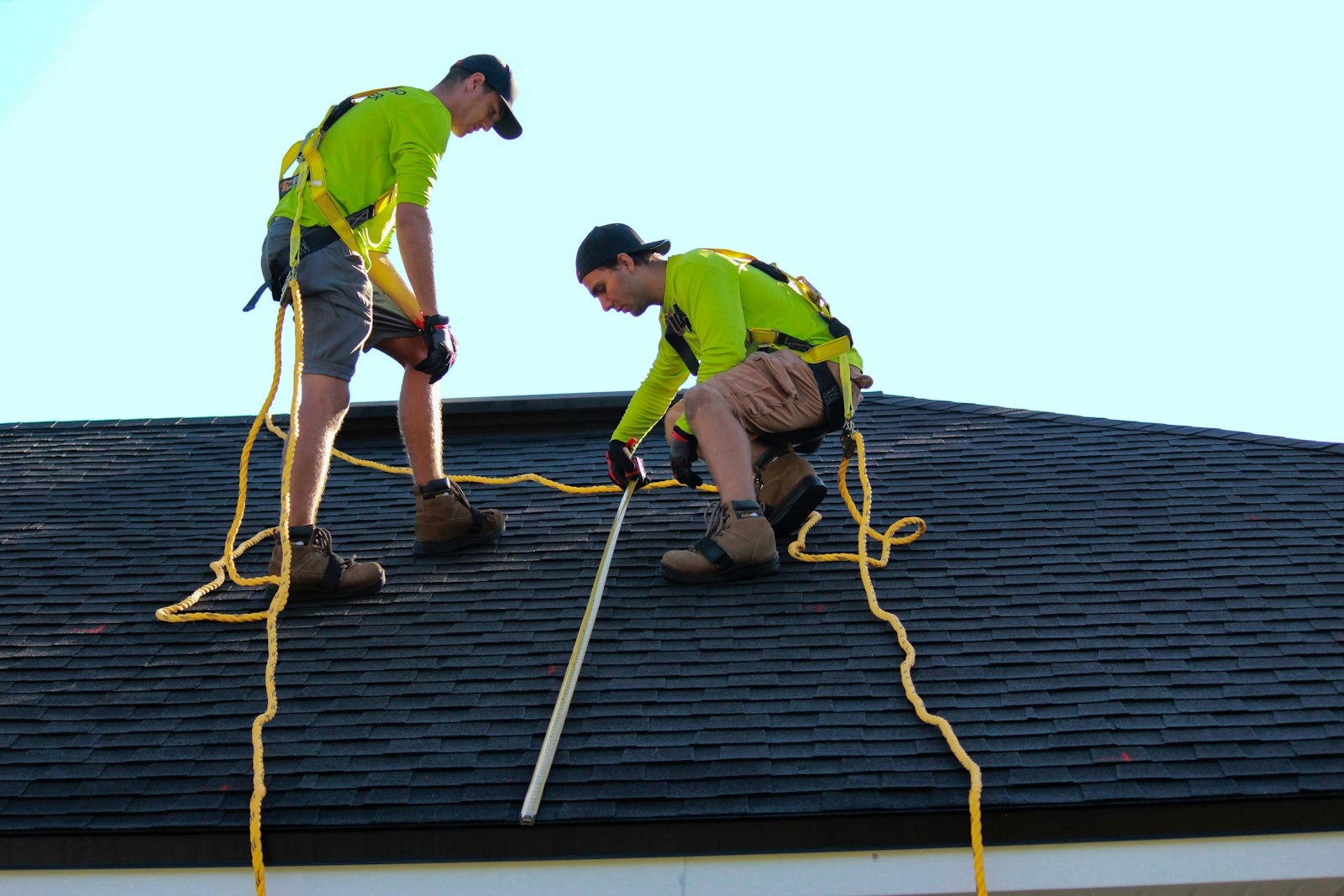
A repair means lifting the shingles around the damaged ones. If older shingles crack when lifted, the repair causes new damage. Ask the roofer to test this in front of the adjuster and photograph it.
Building code
Codes based on the International Residential Code do not allow a new layer of roofing over a roof that already has two or more layers. They also bar overlays on water-soaked or deteriorated roofs and on slate, clay or cement tile. Code-driven costs fall under ordinance or law coverage, which the standard form provides at up to 10% of the dwelling limit as additional insurance. See ordinance or law coverage.
Minnesota goes further by statute. In Great Northwest Insurance Co. v. Campbell (2025), the state Supreme Court held that a replacement cost policy had to pay for new sheathing after hail damaged the shingles, because the manufacturer's instructions, which the code requires installers to follow, did not allow shingles over decking with gaps wider than one-eighth of an inch. The court did not extend the same statute to overhead and profit without proof that it was a code cost.
Partial slopes and full slopes
Even when the insurer agrees to more than a patch, it may replace one slope and leave the others. If the slopes are seen together and new shingles do not match, the same matching arguments apply to the whole roof.
Building your case
- Get a roofer's written opinion on why a repair will not work: match, brittleness, layers or code.
- Get a letter from a supplier confirming whether the shingle is still made.
- Photograph a lift test and any shingles that cracked.
- Ask the building department what a permit would require, in writing if possible.
- Send it all to the insurer with a request to revise the estimate. See claim supplements.
Example: a discontinued shingle
Illustrative numbers: hail damages a 12-year-old asphalt roof. The insurer approves 6 squares on the west slope at $3,300. The roofer shows that the shingle line was discontinued, that the existing shingles crack when lifted, and that the roof already has two layers, so code requires a tear-off. Replacing all 28 squares, including tearing off both layers, costs $21,500. With a $1,500 deductible, the first estimate pays $1,800 and the second $20,000 before any depreciation holdback.
Depreciation on a new roof
A replacement roof on a replacement cost policy is paid in two steps: actual cash value first, then the depreciation after the work is done. Some policies pay roofs at actual cash value only. See roof depreciation in an insurance claim.
Cosmetic exclusions
If your policy excludes cosmetic hail damage, the insurer may say the dented areas need no repair at all. See the cosmetic hail damage exclusion.
Choosing who does the work
You choose the roofer. Be careful with door-to-door crews that promise a free roof. See storm chaser contractors.
Common questions
Will insurance replace my whole roof for hail damage?
When the damage is widespread, a repair cannot match, the shingles cannot be lifted without breaking, or code requires it. Otherwise insurers usually pay for a repair.
Can insurance make me patch a roof with mismatched shingles?
It depends on your state and policy. Several states require a reasonably uniform appearance, and some courts read policy wording the same way.
Who pays when code requires a tear-off?
Ordinance or law coverage, up to the limit in your policy, which is 10% of the dwelling limit in the standard form. Minnesota law goes further for code work on the damaged part.
Is a roof over 20 years old replaced?
Age alone does not decide it. Age affects depreciation and may bring an actual cash value roof endorsement into play.
What if the insurer replaces only one slope?
Ask how the other slopes will match. If they cannot, use your state's matching rules and the evidence above.
Help with a roof claim
ClaimWarriors documents roof damage, matching and code requirements so the estimate reflects the work the roof really needs. The fee is free unless we win. Learn how we handle roof damage claims. Contact us for a claim review.
Examples are illustrative. This article is general information, not legal advice. Matching and code rules vary by state and city. Last reviewed November 2026.