Insurance Adjuster Roof Inspection: What to Expect and How to Prepare

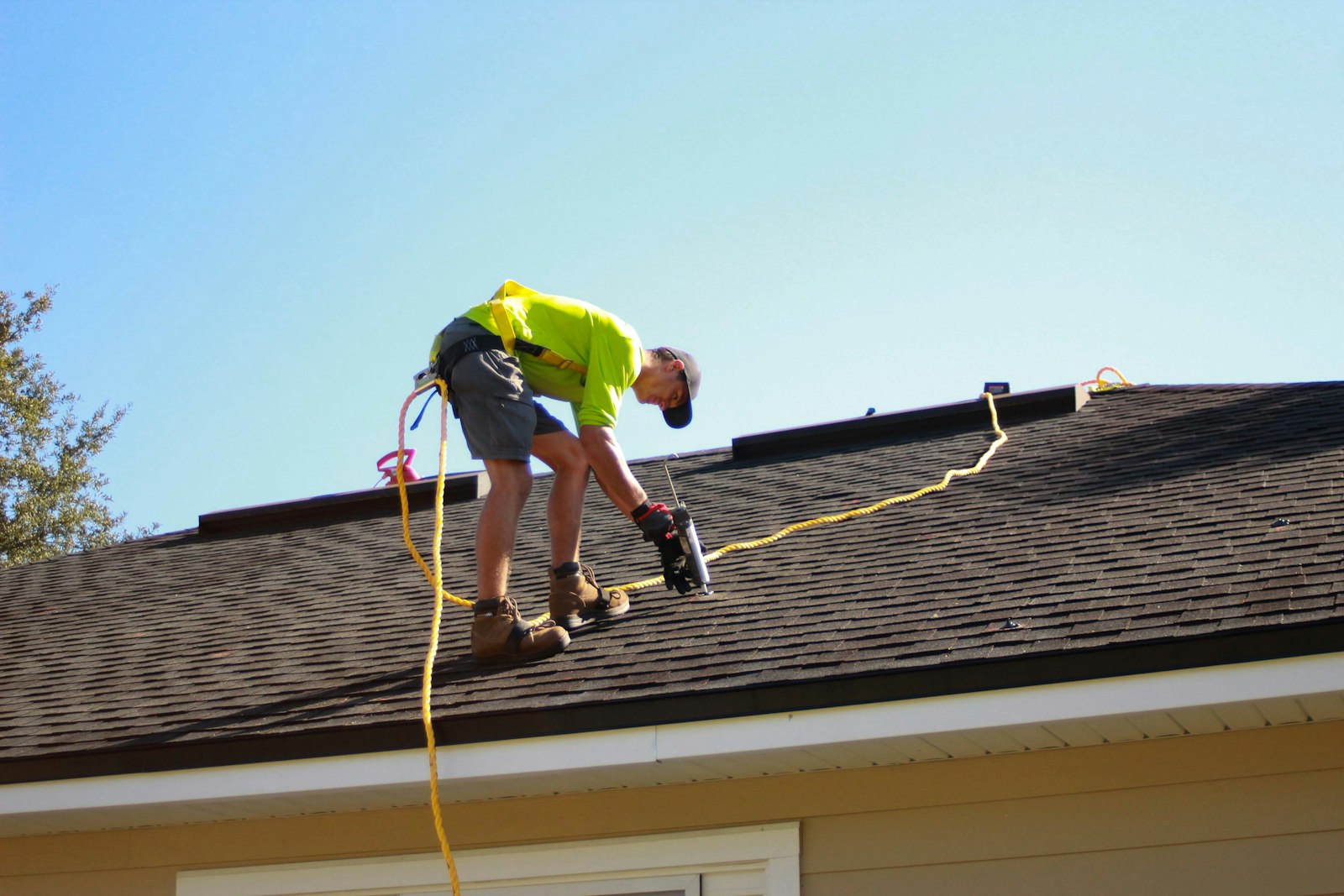
After a hail or wind claim, the insurer sends someone to look at the roof. It may be a staff adjuster, an independent adjuster hired for a storm, or an inspector who climbs the roof and reports to a desk adjuster. That visit often decides whether the claim becomes a repair, a replacement or a denial. Knowing what an insurance adjuster roof inspection covers helps you make sure nothing is missed.
Who comes and how long it takes
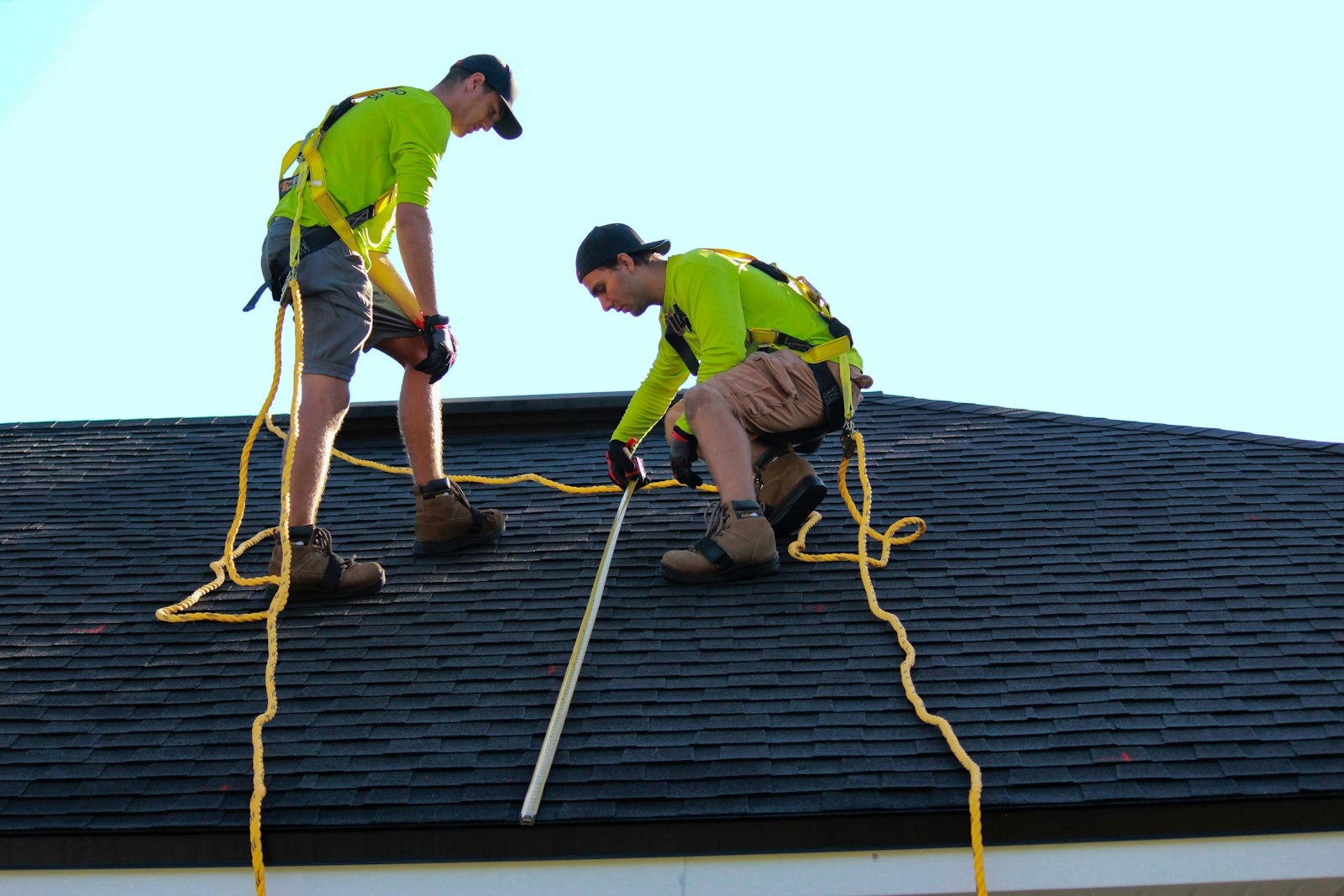
After a large storm, insurers bring in outside adjusters and inspection firms, and visits can be short. When you schedule, ask who is coming, whether they will go on the roof, and whether they will look at the attic and the inside of the house. You can be there, and you can have your roofer or a public adjuster there too. See how a public adjuster's roof inspection protects your claim.
What the adjuster looks at
- A walk around the house: gutters, downspouts, window wraps, siding, fences, outdoor AC units. Dents in soft metals show the size and direction of hail.
- The roof slopes, one at a time. For hail, the long-standing method is a 10-by-10-foot test square on each slope, with the hits inside it counted.
- Roof accessories: vents, pipe boots, skylights, flashing and ridge caps.
- For wind: missing, creased or lifted shingles, often along edges and ridges.
- The attic and ceilings, if water came in.
How test squares work, and their limits
The adjuster marks a 100-square-foot area on a slope, often with chalk, and circles each hail hit inside it. Insurers set their own thresholds for replacing a slope. Eight hits per square is a common number, and no standard policy wording sets it. A Claims Journal article in May 2026 warned that zero hits in one test square does not prove a roof is undamaged, and that inspectors should look at as much of the roof as they can. If the adjuster picks a sheltered spot or checks only one slope, say so on the spot and follow up in writing.
What gets counted
Adjusters separate hail hits from marks they attribute to blistering, foot traffic, manufacturing defects or age. Those calls decide the claim. Ask the adjuster to show you, on the roof or in photos, why a mark was counted or left out. If the insurer later says the roof failed from age, see roof claims denied for wear and tear.
Cosmetic and functional damage
On metal roofs and siding, adjusters may record dents as cosmetic. That matters only if your policy has a cosmetic damage exclusion, so check your endorsements before the visit. See the cosmetic hail damage exclusion.
How to prepare
- Note the storm date and keep any photos of hail on the ground, with something for scale.
- Have your roofer inspect first and mark damage, so you know what should be found.
- Photograph every slope, the soft metals and any interior stains before the visit.
- List everything damaged outside the roof: siding, gutters, screens, fences, the AC unit.
- Clear access to the attic.
During the visit
- Walk the property with the adjuster and point to each item on your list.
- Ask which slopes were inspected and how many hits were counted on each.
- Take your own photos of the test squares.
- Ask whether the adjuster writes the estimate or sends findings to someone else.
- Do not guess about the age of the roof or past repairs. If you don't know, say so and look up the records.
After the visit
Ask for the inspection report, photos and estimate in writing. Compare the estimate with your roofer's line by line: number of squares, waste, starter and ridge, drip edge, underlayment, permits and code items. Many states set deadlines for insurers. In California, the insurer must accept or deny within 40 days after proof of claim. In Pennsylvania, it must finish the investigation within 30 days or explain in writing why it needs more time. If something was missed, ask for a re-inspection and submit a supplement. See claim supplements.
Example: two of four slopes inspected
Illustrative numbers: an adjuster inspects two of four slopes and counts five hits per test square on each. The insurer approves repairs to the two front slopes for $4,200. The homeowner's roofer finds nine and eleven hits on the rear slopes, which faced the storm, and photographs them with chalk circles and a tape measure. After a re-inspection the insurer approves a full replacement at $17,800. With a $2,000 deductible, the payment goes from $2,200 to $15,800 before any depreciation holdback.
Siding, gutters and the rest of the house
The roof gets most of the attention, but hail damage to siding, gutters and window wraps belongs in the same claim. See hail damage to siding.
Timing
A late claim makes the inspection harder, because the adjuster has to sort out which storm caused which marks. See how long you have to file a hail or storm claim.
Common questions
Can I be present at the roof inspection?
Yes. You can also have your roofer or a public adjuster there.
How many hail hits does insurance need to replace a roof?
Each insurer sets its own threshold. Eight hits per 10-by-10-foot test square is common. It is an internal guideline, and no standard policy wording sets a number.
What if the adjuster says the damage is old?
Ask for the reasons in writing. Photos from before the storm, roof records and fresh dents in soft metals help show the storm date.
Can I ask for a second inspection?
Yes. Request it in writing and explain what was missed, with photos. If you still disagree about the amount, the appraisal clause may apply. See the appraisal clause.
Should I sign anything during the inspection?
The inspection itself needs no signature from you. Do not sign a contractor's contract or an assignment of your claim on the spot. See storm chaser contractors.
Help with a roof claim
ClaimWarriors attends roof inspections and documents hail and wind damage on every slope. The fee is free unless we win. Learn how we handle roof damage claims. Contact us for a claim review.
Examples are illustrative. This article is general information, not legal advice. Inspection practices vary by insurer. Last reviewed November 2026.