Wind Damage Roof Insurance Claim: What Is Covered and How to File

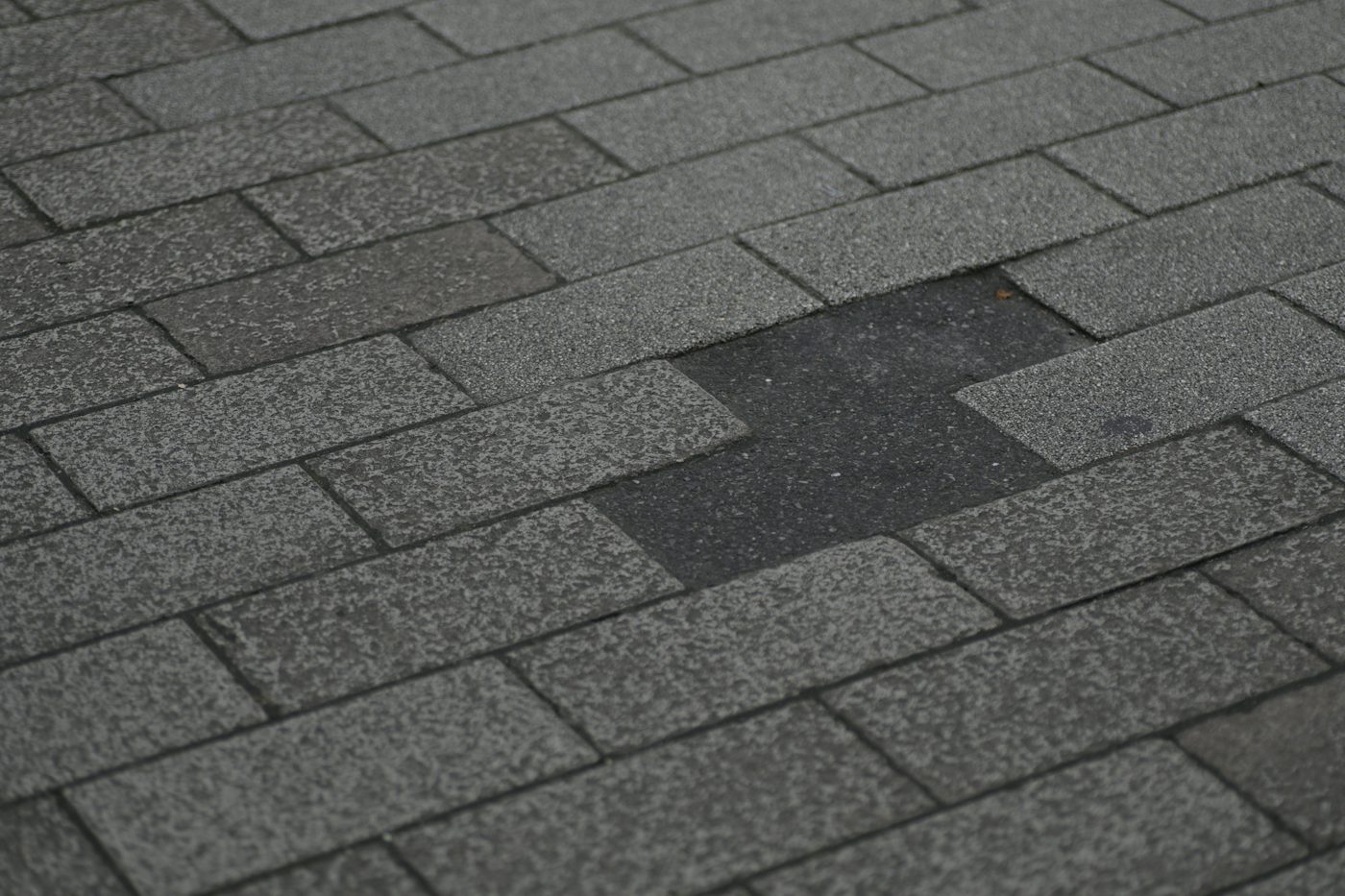
Wind lifts shingles at the edges and ridges, tears off tabs and pulls flashing loose. Rain then finds the gap. A wind damage roof insurance claim is usually covered under a standard homeowners policy, and most disputes are about how much of the roof should be replaced and whether the damage came from wind or age.
What the policy covers
The standard homeowners form (ISO HO-3) covers the dwelling on an open perils basis, and windstorm is not excluded. Wind damage to the roof, the decking under it and the interior is covered, subject to your deductible and the exclusion for wear and tear. For belongings, windstorm is a named peril. Rain damage to belongings is covered only if the wind first damaged the building and made an opening in the roof or wall, and the rain came in through that opening.
What wind damage looks like
- Missing shingles or tabs, often near edges, rakes and ridges.
- Creased shingles, where a tab was lifted and folded back, leaving a line across the shingle.
- Broken seal strips, where shingles were lifted and no longer stick down.
- Lifted or bent flashing, drip edge and ridge caps.
- Dents and punctures from flying branches and debris.
Creasing and broken seals are easy to miss from the ground, and they are often where disputes start. A roofer can check whether tabs lift freely and photograph the creases.
Deductibles
Many policies have a separate wind or hail deductible, often a percentage of the dwelling limit. In Minnesota, for example, an insurer may offer at renewal to switch to a percentage deductible for lightning, wind, rain or hail losses, and the 60-day renewal notice must include an example of how it works. Check your declarations page before you file so you know the real out-of-pocket amount.
Temporary repairs first
Tarp the roof or have a roofer cover open areas as soon as it is safe. The standard form pays reasonable repairs to protect property from further damage and expects you to keep a record of what you spent. Leaving the roof open invites a neglect argument against the water damage that follows. Photograph the damage before tarping.
Repair or replace
Insurers often approve replacing only the missing shingles. That can work on a newer roof when matching shingles are available. On an older roof, brittle shingles can break when a roofer lifts them to weave in new ones, and a discontinued shingle may not match. Ask your roofer to show the adjuster how the existing shingles react when lifted, and document whether matching shingles exist. See roof repair vs replacement.
Wind or wear
The most common pushback is that shingles came off because the roof was old. The policy excludes wear and tear, and a windstorm that tears shingles off a worn roof is still a windstorm. Show the storm: wind reports for your date, damage on neighboring houses, fresh tears with clean edges and shingles found in the yard. See roof leak claims denied for wear and tear.
Actual cash value roofs
Some policies pay roof damage from wind or hail at actual cash value, through an endorsement such as ISO HO 04 93. Depreciation is then not paid back after the work is done. See roof depreciation in an insurance claim.
Water inside
Water stains, wet insulation and damaged drywall belong in the claim. Ask for moisture readings in the attic and walls before anyone closes them up, because wet insulation left in place can lead to mold. See mold insurance claims, and ice dam claims for the winter version of the same problem.
Garages, sheds, fences and the rest of the property
Wind damage to a detached garage, shed or fence is covered under Coverage B, other structures, which usually carries a limit of 10% of the dwelling limit. Screens, gutters, siding and outdoor equipment belong in the same claim. Walk the whole property before the adjuster arrives and list everything the storm touched, so the first estimate covers more than the roof.
Example: 40 shingles or two slopes
Illustrative numbers: a windstorm tears off shingles on the south slope and creases dozens more. Rain soaks the attic insulation and a bedroom ceiling. The adjuster writes $1,450 to replace 40 shingles and $2,800 for the interior. The policy has a 1% wind deductible on a $350,000 dwelling limit, or $3,500, so the net payment is $750. The roofer shows that the shingle is discontinued and that creased tabs run across the whole south and west slopes. A revised estimate to replace those two slopes is $9,600, plus $2,800 inside, less $3,500: $8,900.
The inspection
Be there when the adjuster inspects, and ask how many creased or unsealed shingles were found on each slope. See what to expect at the adjuster's roof inspection, and our broader guide to roof storm damage claims.
Trees and timing
If wind brought a tree down on the house, a removal limit and other rules apply. See tree fell on house. Report the damage promptly; see deadlines for storm claims.
Common questions
Does homeowners insurance cover wind damage to a roof?
Yes, under the standard form. A separate wind deductible or an actual cash value roof endorsement can reduce the payment.
How many missing shingles does insurance need to replace the roof?
No standard policy sets a number. The question is whether a repair can restore the roof with matching materials, and what your state's rules require.
Is rain damage covered after a windstorm?
Rain damage to the house is generally covered when wind damaged the roof. For belongings, the wind must first make an opening in the roof or wall.
Will insurance pay for tarping?
Yes. Reasonable temporary repairs to protect the house are covered. Keep the invoice and photos.
Do two deductibles apply if wind and hail both hit?
The standard form says that when two or more deductibles apply to one loss, only the highest one is applied. Check how your own policy words its wind and hail deductible.
What if the insurer says the shingles were already loose?
Ask for the reasons in writing and answer with storm data, photos of fresh damage and a roofer's report.
Help with a wind damage claim
ClaimWarriors documents wind damage to roofs, attics and interiors. The fee is free unless we win. Learn how we handle roof damage claims. Contact us for a claim review.
Examples are illustrative. This article is general information, not legal advice. Deductibles and endorsements vary; your policy controls. Last reviewed November 2026.