Roof Decking Replacement in an Insurance Claim: When It Is Covered


Roof decking replacement is covered in an insurance claim when the decking itself was damaged by the storm, or when the new roof cannot be installed correctly over the old decking and the policy or state law requires the insurer to pay for what code demands. Decking that was rotted from long-term leaks is usually excluded as deterioration, though the ordinance or law coverage in many policies may still help with code-required sheathing.
Decking is often the surprise line item. The insurer approves a new roof, the crew tears off the shingles, and the boards underneath are cracked, spaced too far apart or soft. Who pays for that depends on why the decking needs replacing.
What roof decking is
Roof decking, also called sheathing, is the layer of plywood, OSB or wood boards nailed to the rafters. Shingles and underlayment are fastened to it. Older homes often have plank decking, individual boards with gaps between them. Newer homes usually have plywood or OSB sheets.
You usually cannot see the decking until the old roof comes off, which is why decking problems tend to show up mid-job.
Three situations, three answers
1. The storm damaged the decking
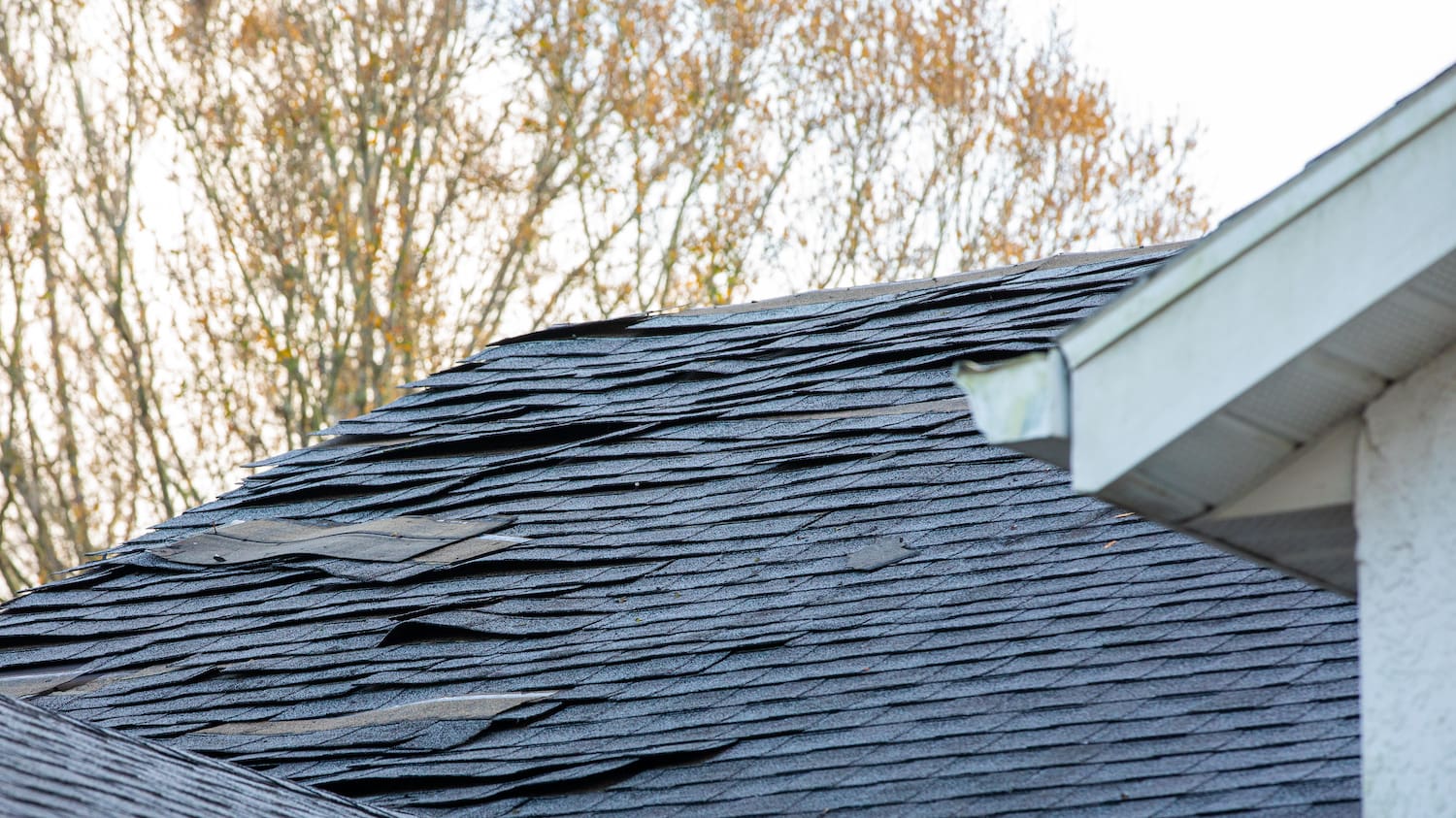
A tree limb punctures the roof, wind lifts a section and snaps boards, or a large hailstone cracks brittle sheathing. This is direct physical damage from a covered peril. The standard homeowners form covers the dwelling on an open-perils basis, so damaged decking is covered the same way the shingles are.
Document it during tear-off: photos of the cracked or punctured boards, with the location marked on a roof diagram. Ask your roofer to save a damaged piece.
2. The decking is fine but cannot take a new roof
This is the most common dispute. The insurer agrees the shingles must be replaced, but the old decking does not meet the requirements for installing the new roof. Plank decking with wide gaps is the typical case. Shingle manufacturers' instructions, which building codes require roofers to follow, set limits on gaps in the deck.
Insurers often argue the decking was not damaged by the storm, so it is not part of the claim. Policyholders argue that replacement cost means the cost to put the roof back correctly, and that includes a deck that will accept it.
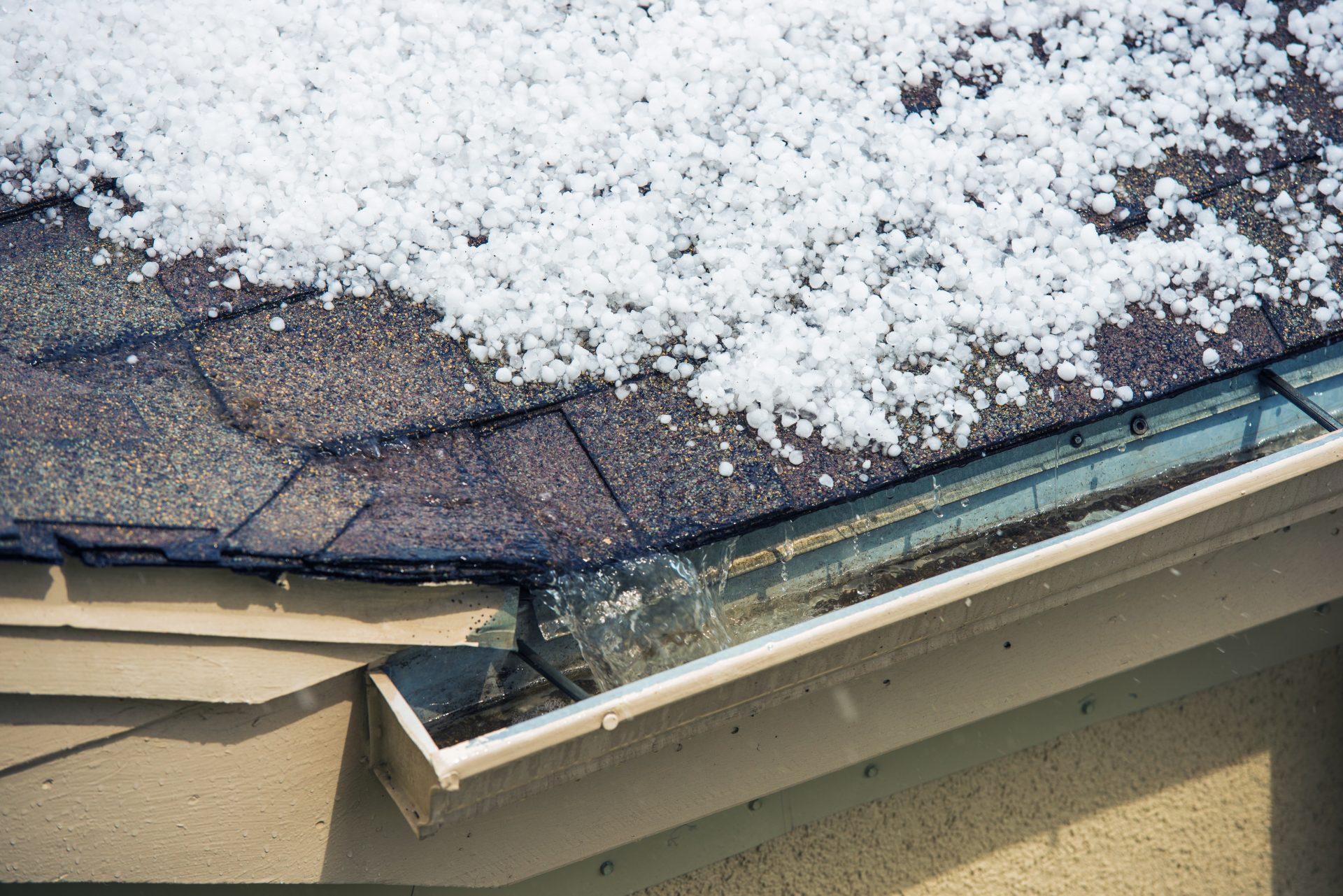
Minnesota's Supreme Court addressed this directly in Great Northwest Insurance Co. v. Campbell (July 2025). The hail-damaged shingles needed replacing. The plank decking had gaps over a quarter inch, and the manufacturer's instructions, which code required the roofer to follow, did not allow installation over gaps larger than an eighth of an inch. The court held that Minnesota law requires replacement cost coverage to include the cost of a code-compliant repair of the damaged part, so the new sheathing was covered. That decision applies to Minnesota, but the reasoning is useful anywhere code dictates how a covered repair must be done.
3. The decking is rotted from long-term leaks
The standard form excludes wear and tear, deterioration and rot. Decking that was rotting for years before the storm is usually excluded. Some insurers will still pay to replace rotted decking where its condition prevents the new roof from being installed, but that is an insurer practice, not a promise in the base form.
The ordinance or law coverage in your policy may help. In the standard form it adds up to 10% of your dwelling limit for the extra cost of meeting building codes during a covered repair. If local code requires sound decking before a new roof can go on, that coverage is worth claiming. See ordinance or law coverage for how the limit works.
Why tear-off itself matters
Sometimes the insurer prices a roof "overlay," new shingles over old ones, to save money. Building codes limit that. The International Residential Code does not allow a re-cover where the existing roof already has two or more layers, is water-soaked or deteriorated, or is certain tile types. Local codes can be stricter. Once a full tear-off is required, the decking is exposed and has to meet code before the new roof goes on.
How to document a decking claim
- Before work starts, ask your roofer to note the decking type in the estimate, and check from the attic for visible gaps, cracks or daylight.
- Tell the insurer in writing that decking may need replacing once the roof is open, and ask how it wants that handled.
- During tear-off, take dated photos with a tape measure showing gaps or damage, and mark each area on a roof diagram.
- Get a copy of the shingle manufacturer's installation instructions on deck requirements and any local code citation from the roofer or building department.
- Ask the insurer to reinspect before the decking is covered up, or send the photos and a written supplement right away.
Decking found during the job is handled as a supplement. See how claim supplements work.
How decking affects the rest of the roof claim
Adding decking makes the job more complex. Together with tear-off, underlayment, drip edge and gutters, it strengthens the case for a general contractor's markup. See overhead and profit in an insurance claim. It can also shift a borderline claim from repair to full replacement. Our guide on roof repair vs replacement covers that decision.
If your policy pays roofs at actual cash value, decking may also be depreciated. See roof depreciation in an insurance claim.
What insurers say, and how to answer
"The decking was not damaged by the storm." Answer: the policy pays to replace the damaged roof with like kind and quality, and the new roof cannot be installed to code on this deck. Attach the manufacturer instructions and photos.
"That is a code upgrade." Answer: then ordinance or law coverage applies. Ask for it to be paid under that coverage.
"The decking is rotted." Answer: if only some boards are rotted, the rest should still be addressed. Ask for the rotted area to be measured, not assumed.
Courts have dealt with this argument before. In Gutkowski v. Oklahoma Farmers Union, the insurer agreed the roof needed replacing but refused the decking because it had not been directly damaged. Cases like this one show the question is common, and the answer depends on your policy and your state.
Common questions
Is roof decking covered by homeowners insurance?
Yes when a covered peril damaged it. When the decking is undamaged but does not meet code for the new roof, coverage depends on your policy, ordinance or law coverage and state law.
How much does decking add to a roof claim?
It depends on how many sheets are replaced and local prices. Ask your roofer to price decking per sheet in the original estimate so the insurer sees the cost before tear-off.
Can my roofer replace decking without asking the insurer?
They can, but you may end up paying. Notify the insurer and document everything before the new deck is covered.
Does the 10% ordinance or law limit cover decking?
It can, if code requires the decking work during a covered repair. The limit is shared with other code items on the claim, so it can run out.
Roof claim underpaid?
ClaimWarriors reviews roof estimates for missing items like decking, drip edge and code upgrades. See how we handle roof damage claims, or contact us for a free roof claim review.
This article is general information, not legal advice. Code requirements and court decisions vary by state and locality. Last reviewed November 2026.