Does Homeowners Insurance Cover Skylight Leaks?


Does homeowners insurance cover skylight leaks? It does when a sudden covered event caused the leak, such as hail cracking the glazing, wind tearing the flashing loose or a falling limb breaking the frame. The policy then pays to repair the skylight and the water damage inside, minus your deductible. It generally won't pay when the skylight leaks because seals aged, plastic glazing turned brittle, or the flashing was installed wrong. The cause of the leak decides the claim.
This guide explains how a standard policy treats skylights, where claims run into exclusions, and how to document a skylight leak.
Skylights are part of the roof and the dwelling
A skylight is built into the roof, so it's covered under the dwelling part of your policy. The ISO HO 3 form covers the dwelling against direct physical loss unless excluded. See the 2011 HO 3 form. The same form has an additional coverage for breakage of glass that's part of a covered building, which can apply to skylight glazing. Damage to the ceiling, drywall, flooring and belongings below can be part of the same claim.
Covered causes
- Hail that cracks or punctures the glazing or dome.
- Wind that lifts the flashing, curb or frame.
- A tree or limb that falls on the skylight.
- The weight of ice and snow that breaks the unit.
- Damage from a fire or from vandalism.
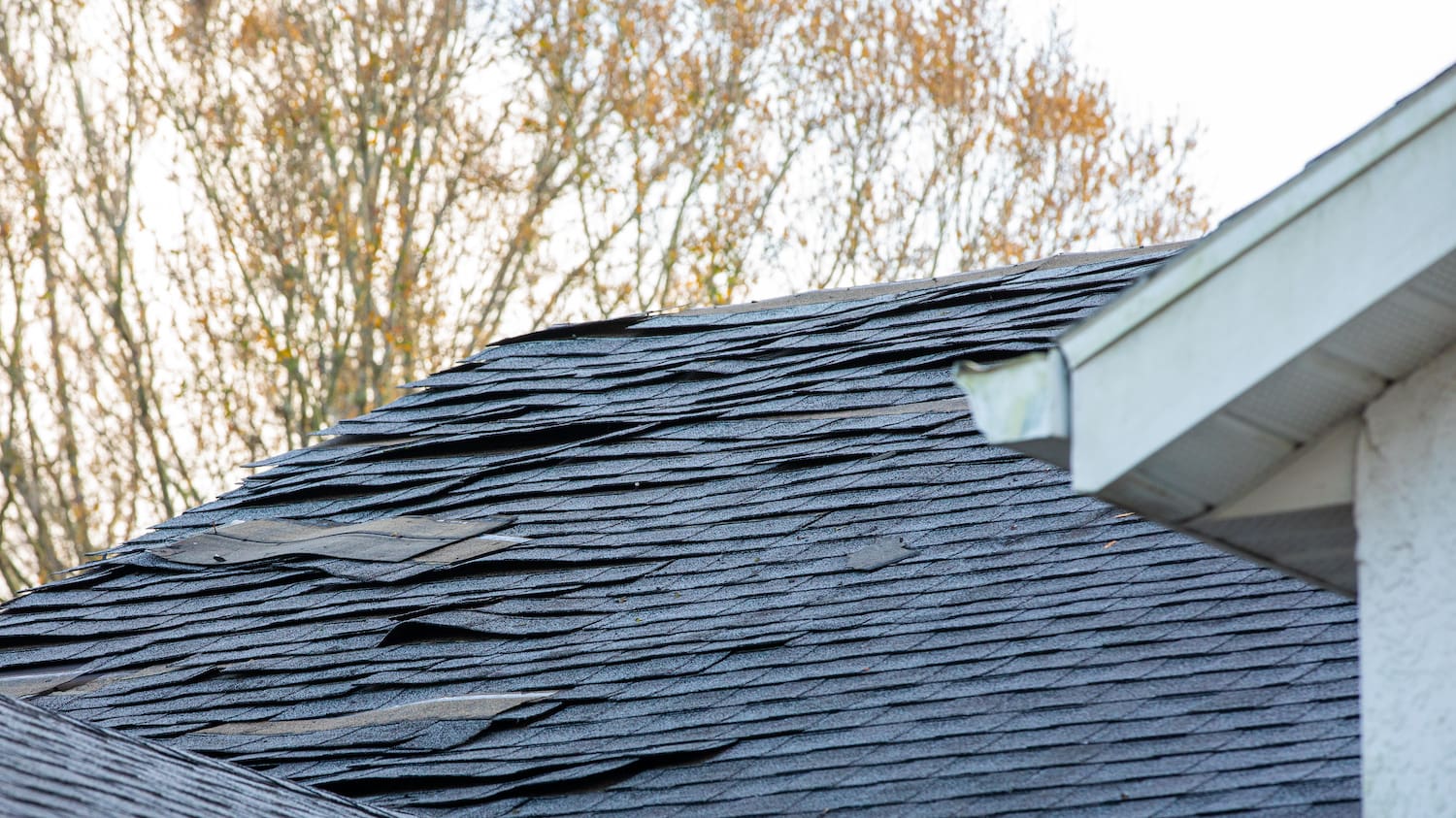
When hail or wind damages a skylight, it can also damage the shingles around it, the gutters and other roof equipment. See does homeowners insurance cover roof leaks, gutter damage claims and solar panel storm damage.
Excluded causes
The ISO form excludes wear and tear, deterioration, latent defects, rust and corrosion, and mold, with limited exceptions. It also excludes faulty, inadequate or defective design, workmanship, materials and maintenance. A skylight that leaks because its seals failed with age, its plastic dome cracked from sun exposure, or its flashing was never installed correctly falls under these exclusions.
The U.S. Department of Energy notes that water leaks are a common problem with improperly installed skylights. It recommends mounting the unit above the roof surface on a curb, sealing joints and flashing thoroughly, and applying sheet waterproofing over the flanges. An adjuster may compare your installation with those steps when deciding whether the leak is a workmanship problem.
Ensuing loss: the water damage below
Even when the cause is excluded, the ISO form says ensuing loss not precluded by another provision is covered. If a poorly flashed skylight lets in water that damages the drywall, some policies may still pay for the drywall even though they won't pay to fix the flashing. Whether that works depends on your policy wording and on other exclusions, such as mold and any seepage language your insurer added. See how the ensuing loss clause works and roof leak claims denied for wear and tear.
Rain through a closed skylight
For personal property, the HO 3 form covers rain damage inside the building only if wind or hail first made an opening in the roof or a wall. If rain was blown past an intact skylight's seals, the insurer may deny the contents part of the claim. Some insurers apply a similar rule to the building itself. The same issue comes up with windows. See leaking windows and water damage.
Plastic vs. glass glazing
DOE says plastic glazing is usually inexpensive and less likely to break, but it scratches easily and can become brittle and discolored over time. Glass is more durable and doesn't discolor, and it must be safety glazing, either tempered or laminated. An old plastic dome that cracks in a mild storm may lead the insurer to argue the damage came from age. Hail impact marks, a dated storm report and a contractor's opinion help show the storm caused it.
Hail and skylights
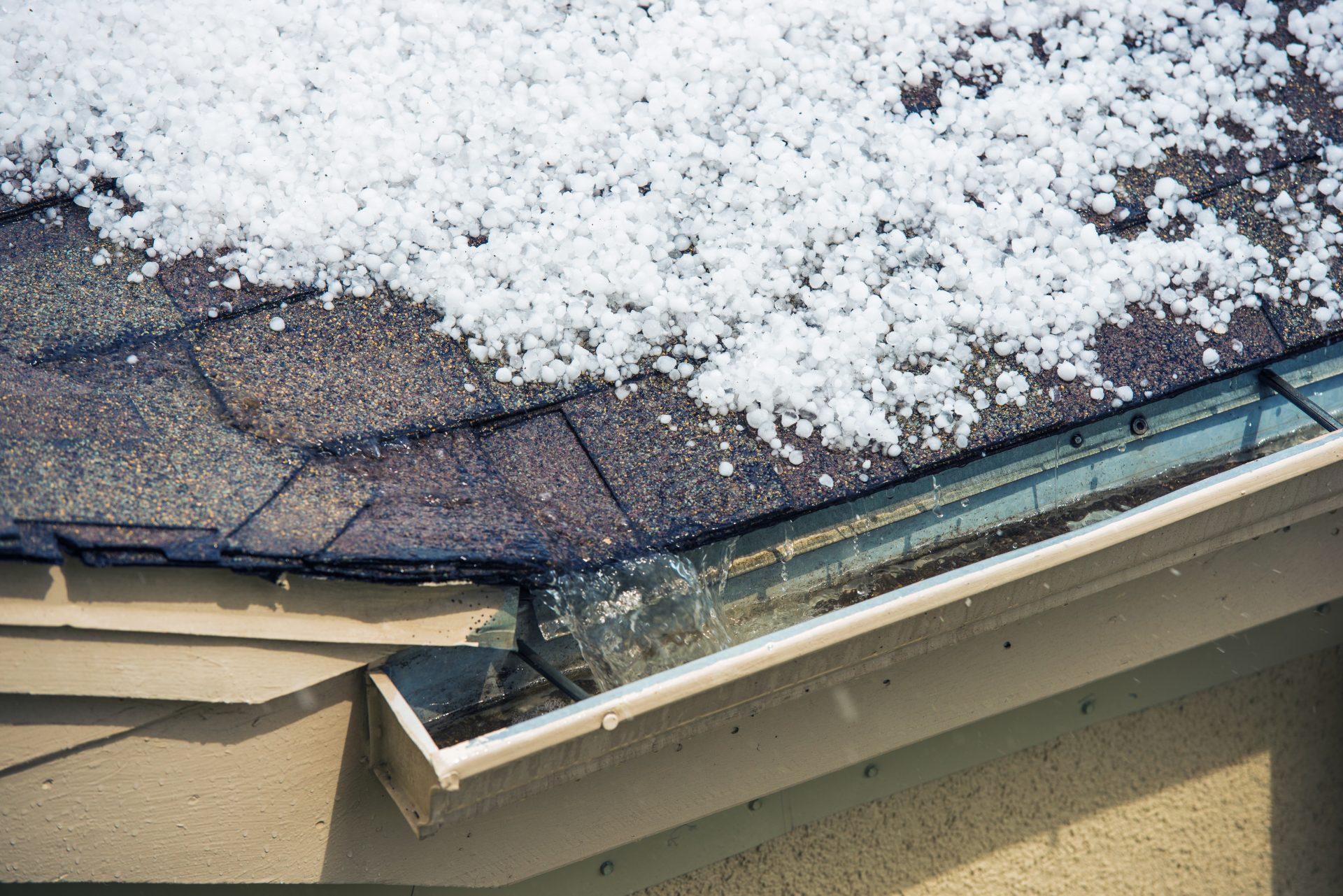
Hail damage to a skylight can be easy to see when the glazing is cracked or punctured, and harder to see when the frame is dented or the seal is broken. Check the skylight when you check the roof, and look for matching damage on vents, gutters and outdoor equipment. See hail damage to an AC unit. A separate wind and hail deductible may apply, which can be larger than your regular deductible. See how a wind and hail deductible works.
Replacing with a different skylight
If the exact model isn't made anymore, the replacement may need a different size or curb, which can mean roofing and interior trim work. That's part of repairing the covered damage. Building codes may also require safety glazing or other features the old unit didn't have. The ISO form's ordinance or law additional coverage pays up to 10% of the dwelling limit for the extra cost of meeting codes when repairing covered damage. Ask the contractor to list code items separately in the estimate.
Interior damage
Water from a skylight can soak the shaft walls, ceiling drywall, insulation and the floor below. Dry the area quickly and keep receipts for emergency repairs. The policy pays reasonable costs to protect the property from further damage, such as covering the skylight with a tarp. Mold from a long-running leak is excluded under the standard form except in limited cases.
How to document a skylight claim
- Photograph the skylight from inside and, if safe, from the roof or a ladder. Don't walk on a damaged roof.
- Photograph the water damage below before cleanup.
- Note the storm date and save local hail or wind reports.
- Cover the opening to stop more water from getting in. Keep receipts.
- Get a roofer's or skylight installer's written opinion on the cause.
- Report the claim promptly and ask the insurer to put any denial in writing, citing the policy wording.
Example: two skylight leaks
After a hailstorm, a homeowner finds a cracked acrylic dome and water on the kitchen floor. Dented gutters and roof vents confirm hail. The insurer pays to replace the skylight, the stained ceiling and the flooring, minus the wind and hail deductible.
A neighbor's skylight has dripped every heavy rain for two years. A roofer finds the step flashing was never installed. The insurer denies the skylight repair as faulty workmanship and wear, and pays nothing for long-term water staining. These facts are illustrative.
Preventing skylight leaks
Have skylights inspected when the roof is inspected. Keep debris cleared from the curb and the uphill side, where leaves and snow collect. Replace cracked or crazed plastic domes before they fail, and check interior shaft walls for stains after heavy rain. Records of maintenance help if the insurer later says the leak came from neglect.
Common questions
Will insurance replace a leaking skylight?
Only if a covered event, such as hail, wind or a falling limb, damaged it. Old seals and bad installation aren't covered.
Is water damage from a skylight leak covered?
It is when the leak came from covered damage. If the cause is excluded, ensuing water damage may still be covered, depending on your policy wording.
Does insurance cover a hail-damaged skylight?
Yes, hail is a covered cause under a standard policy, subject to your deductible and any cosmetic damage exclusion.
Do I need to upgrade to safety glass?
If code requires it when the skylight is replaced, ordinance or law coverage may pay part of the extra cost.
Skylight claim denied?
ClaimWarriors investigates the cause of roof and skylight leaks and documents storm damage. See our roof damage claim services or contact us for a free claim review.
This article is general information, not legal advice. Coverage depends on your policy wording and state law. Last reviewed November 2026.