Does Homeowners Insurance Cover a Leaking Roof?


Does homeowners insurance cover a leaking roof? It does when the leak was caused by a covered event, such as wind tearing off shingles, hail breaking them, a tree falling on the roof, or an ice dam pushing water under the shingles. It doesn't when the roof leaks because it's old, poorly maintained or badly installed. When the cause is covered, the policy pays for the roof repair and the water damage inside. When it isn't, it may still pay for some interior damage, but not the roof.
The answer depends on what made the roof leak, so the claim depends on proving the cause. This guide covers how the standard policy treats roof leaks, the common causes, and what to do when the insurer blames age.
How the standard policy treats roof leaks
The standard ISO homeowners form, HO 00 03, covers the house on an open-perils basis, so sudden damage is covered unless excluded. It excludes wear and tear, deterioration, latent defects and faulty workmanship. It also excludes neglect, meaning failure to use reasonable means to protect property at and after a loss.
For belongings, the rule is narrower. The windstorm and hail peril covers rain damage to property inside only if wind or hail first damages the building and creates an opening in the roof or a wall that the rain comes through. So if rain leaks through a roof that wasn't damaged, belongings inside may not be covered even when the house is.
Roof leaks that can be covered
Wind damage
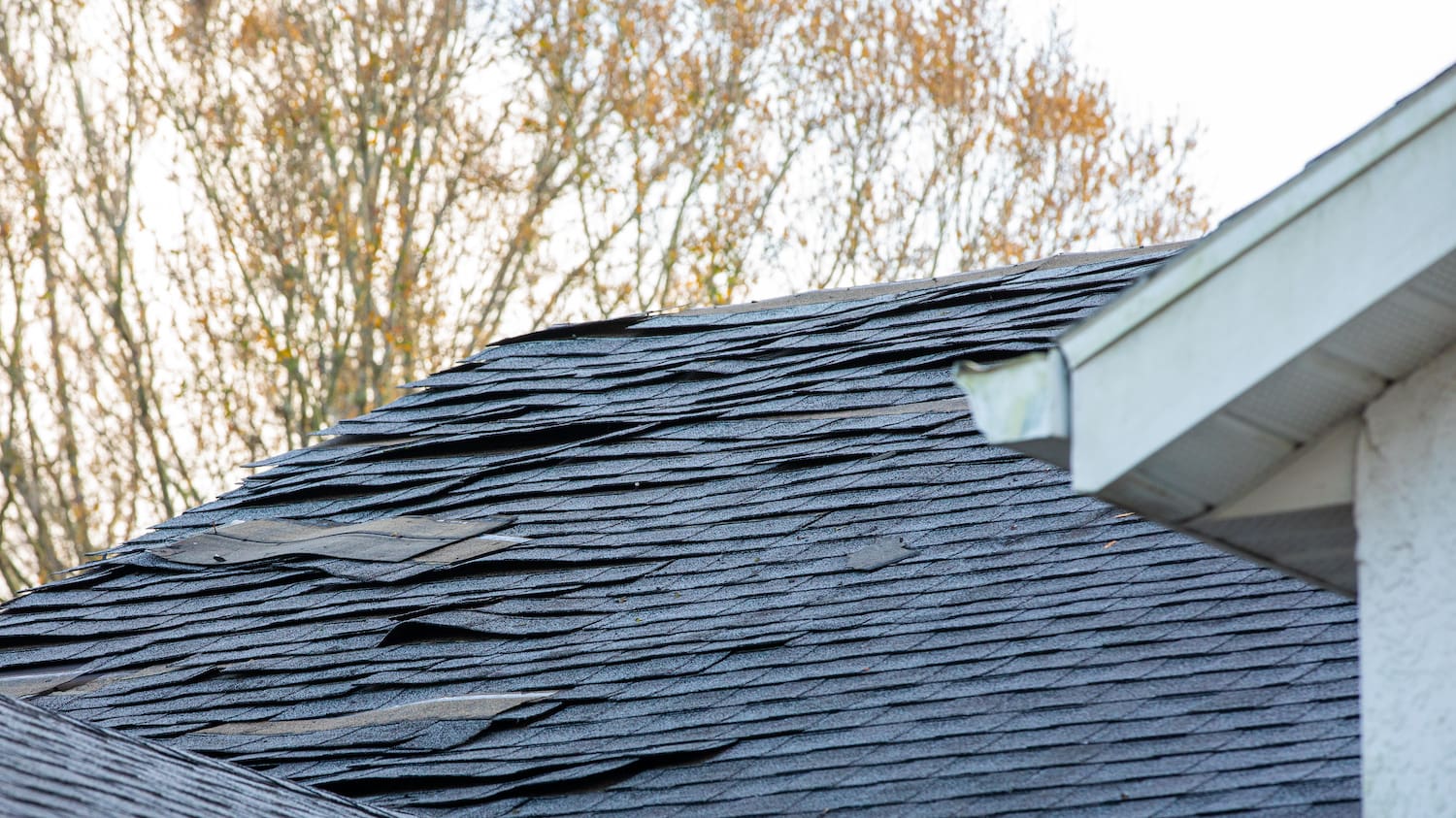
Missing, lifted or creased shingles after a windstorm are the classic covered leak. Look for wind damage on the windward slopes and along edges and ridges. See wind damage roof claims.
Hail damage
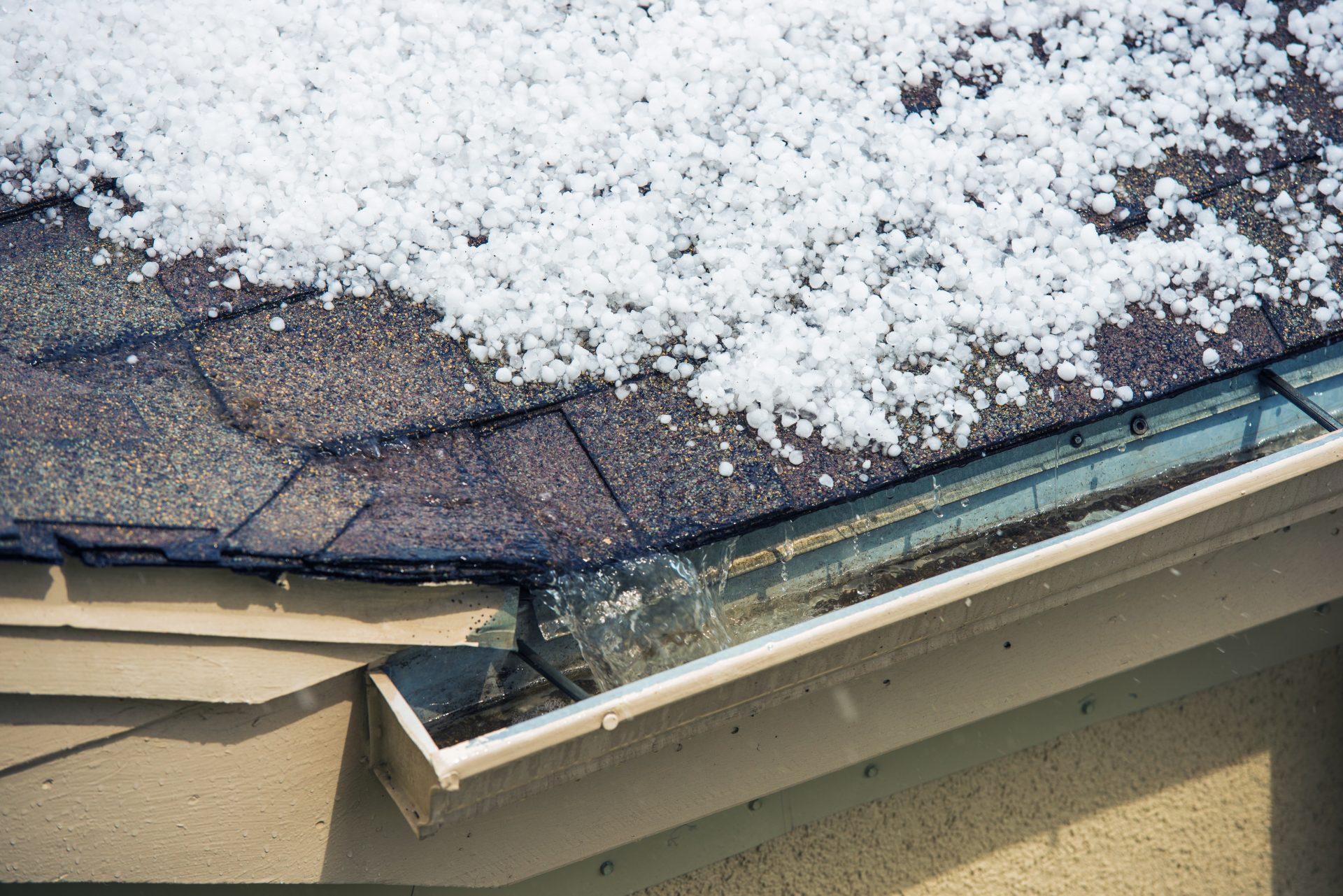
Hail can fracture shingles and knock granules loose, which can lead to leaks right away or later. If the roof leaked after a hailstorm, connect the leak to the storm date. See what size hail damages a roof.
Falling trees and limbs
A tree or limb that punctures the roof is covered. The standard form also pays limited debris removal for trees that damage a covered structure.
Ice dams
When ice builds up at the eaves and water backs up under the shingles, the interior water damage is generally covered. Removing the ice itself may not be. See ice dam claims.
Weight of snow or ice
Roof damage from the weight of ice, snow or sleet is covered in the standard form.
Roof leaks that may not be covered
- An old roof where shingles have curled, cracked or lost granules from age.
- Flashing that has rusted, pulled away or was never sealed properly.
- A roof installed incorrectly, such as missing underlayment or bad nailing.
- A small leak that went unrepaired for months and caused rot.
- Condensation or poor attic ventilation.
Even here, watch the details. If a storm damaged an aging roof, the storm damage is still covered. And faulty workmanship is excluded, but the standard form covers resulting loss that isn't otherwise excluded, which can matter for interior damage.
When a new roof leaks
A roof that leaks within a year or two of installation can point to the installation, such as missing flashing, bad nailing or skipped underlayment. Faulty workmanship is excluded under the standard form, so the roof repair itself may fall to the roofer. Check the roofer's workmanship warranty and the shingle manufacturer's warranty, and ask the roofer for its liability insurance information if interior damage resulted. Your own policy may still cover resulting interior damage that isn't otherwise excluded, and your insurer can then pursue the roofer. Report it promptly either way.
The interior damage
When the roof leak is covered, the claim includes the water damage inside: ceilings, insulation, drywall, flooring and belongings, along with drying and mold prevention. Wet insulation and drywall may need replacing. See ceiling water damage claims.
Your policy also requires you to protect the property from further damage. Tarping a storm-damaged roof is a reasonable repair the policy pays for. Keep the invoice and photos. If you leave a known leak unrepaired, the insurer can deny the added damage as neglect.
When the insurer says the roof is just old
Wear-and-tear denials are a frequent source of roof leak disputes. They can be challenged when a storm really did come through. Answer them with:
- The storm date, from weather records, news, or NOAA's Storm Events Database.
- A roofer's written report describing fresh damage, such as hail fractures, creased shingles, exposed nail heads or missing tabs on the windward side.
- Photos of storm damage elsewhere on the property, such as dented gutters or torn screens.
- Photos or an inspection report from before the storm showing the roof in decent shape.
- When the leak started, tied to the storm.
Then ask the insurer in writing which policy provision it relies on, and whether it is denying the roof, the interior damage, or both. See roof leak claims denied for wear and tear. If the storm damaged the whole roof, see does homeowners insurance cover roof replacement.
Should you file for a small roof leak?
A minor leak repair may cost less than your deductible, especially if your policy has a separate percentage deductible for wind and hail. Colorado's Division of Insurance notes that these can be 1%, 2% or 5% of your dwelling coverage. Get a roofer's estimate first. If the leak damaged ceilings and belongings, the total may be worth a claim. See should I file a homeowners claim.
How to handle a roof leak claim
For the full process, see how to file a roof claim. The short version:
- Stop the water. Put buckets under drips and tarp the roof if it's safe, or call a roofer to do it.
- Photograph the leak, the ceiling, and the roof from the ground.
- Get a roofer's written opinion on the cause.
- Dry the interior quickly. The EPA says to dry water-damaged materials within 24 to 48 hours to prevent mold.
- Report the claim with the storm date if there was one.
- Keep every receipt for tarps, drying and temporary repairs.
Common questions
Does homeowners insurance cover roof leaks from heavy rain?
A sound roof is built to shed rain. If wind or hail opened the roof first, the leak can be covered. If the roof leaked because it was worn, the roof repair isn't.
Will insurance pay to fix a leaking roof?
Yes, if a covered event caused the damage. It won't pay to fix a roof that leaks from age or poor maintenance.
Does insurance cover water damage from a roof leak if the roof isn't covered?
Sometimes. The interior damage may be covered as resulting loss in some cases, but belongings are limited by the wind and rain rule. Read the denial letter for which parts are denied.
How do I prove a roof leak was caused by a storm?
Tie the leak to a storm date and show fresh storm damage on the roof and around the property, documented by a roofer.
Roof leak claim denied or underpaid?
ClaimWarriors documents roof storm damage and the interior water damage that follows. See our roof damage claim services or contact us for a free claim review.
This article is general information, not legal advice. Coverage depends on your policy wording. Last reviewed November 2026.