Does Homeowners Insurance Cover Roof Replacement? Age, Storms and Old Roofs


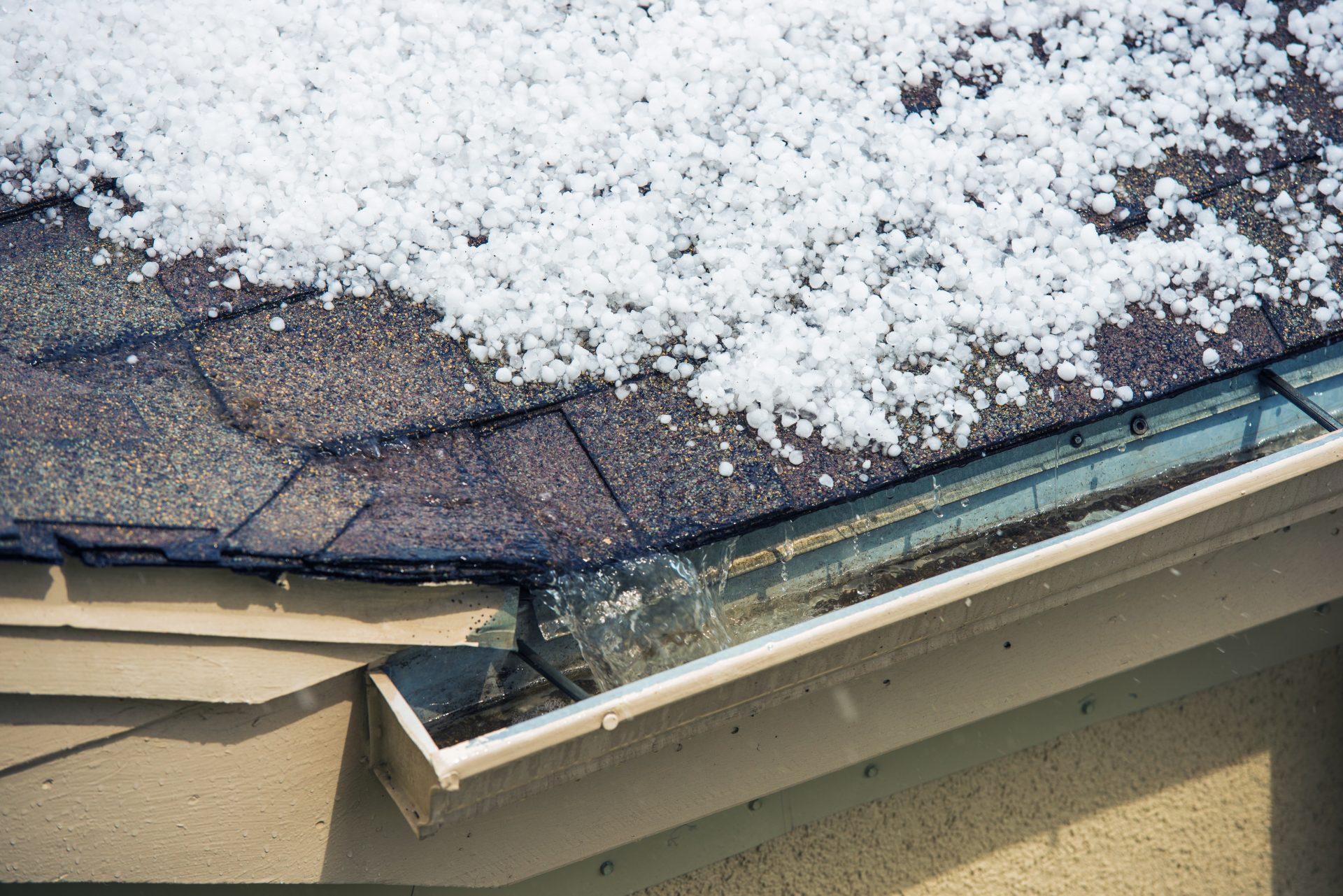
Does homeowners insurance cover roof replacement? Yes, when a covered event such as hail, wind, a falling tree or fire damages the roof badly enough that repair won't restore it. No, when the roof simply wore out. Age matters in a second way, too: some policies pay older roofs at actual cash value or on a schedule based on the roof's age, so an old roof can be covered and still pay far less than a new one costs.
This guide explains when a full replacement is owed, how roof age affects the payment, and what to check in your policy before a storm.
The rule: damage, not age
The standard ISO homeowners form, HO 00 03, covers the house on an open-perils basis. Sudden damage from wind, hail, a fallen tree, ice and snow weight or fire is covered unless an exclusion applies. Wear and tear, deterioration and latent defects are excluded. A roof at the end of its life that starts leaking is a maintenance problem, and the policy won't pay to replace it.
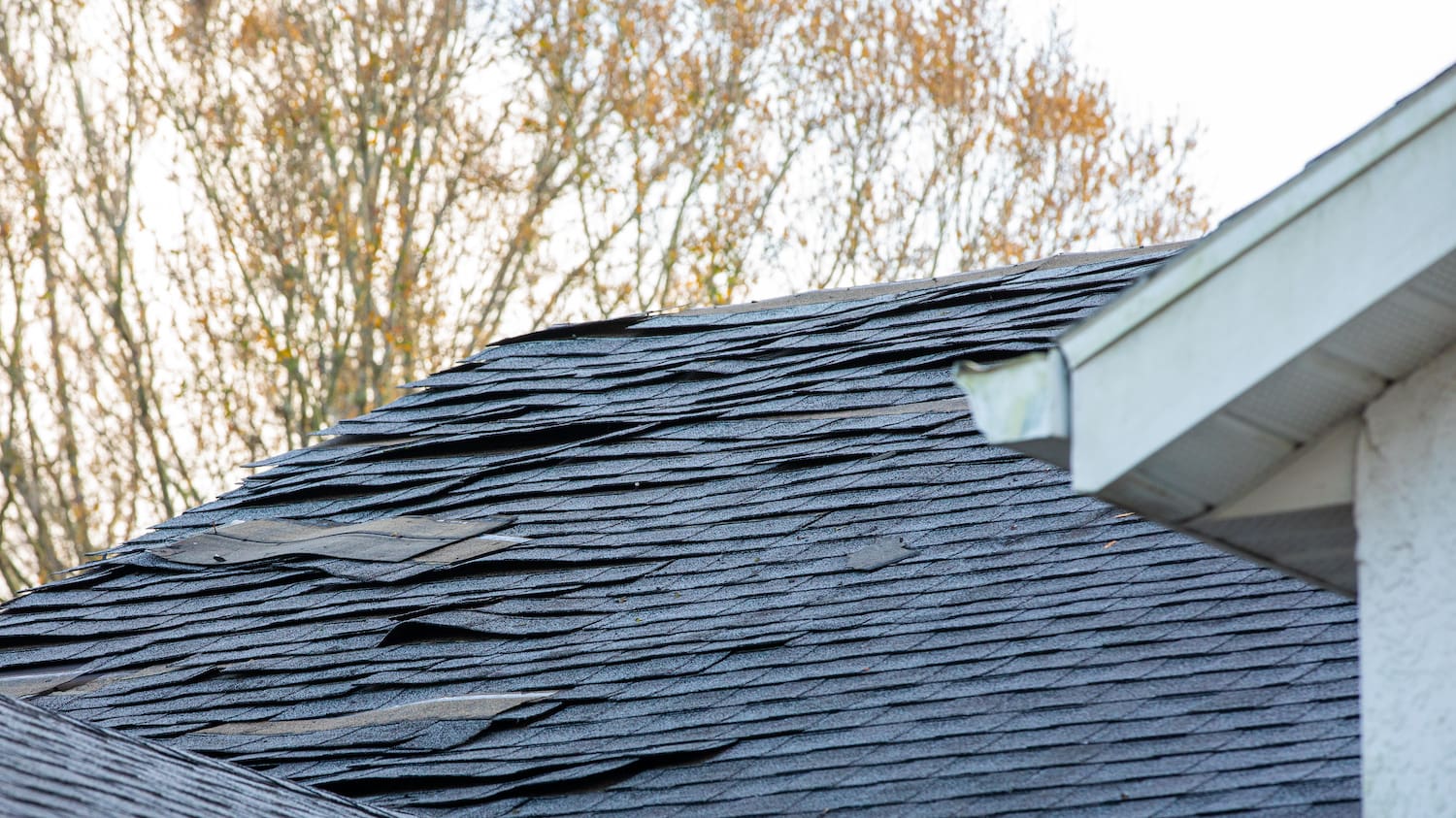
The hard cases sit in the middle. An older roof takes a hailstorm. The insurer says the damage is mostly wear. The homeowner says the storm finished it off. Those claims are won or lost on the evidence of fresh storm damage, such as hail hits that crush the mat, creased or torn shingles, and missing tabs on the windward side. See roof leak claims denied for wear and tear.
When damage means replacement, not repair
A covered loss doesn't automatically mean a new roof. Insurers pay to repair or replace the damaged part. Replacement of the whole roof or a whole slope is owed when repair won't restore it, which comes down to a few questions:
- How widespread is the damage across each slope? Adjusters may use 10-by-10-foot test squares and count hail hits, and InterNACHI notes that eight hits is a common threshold, though insurers differ.
- Can the shingles be repaired without breaking the ones around them? Brittle older shingles may crack when a roofer tries to lift them for a repair.
- Do replacement shingles still match? Discontinued products or colors can make a patch visibly mismatched.
- Does the building code allow a repair or a new layer? The International Residential Code bars a roof recover over two or more existing layers, and some codes require new decking or underlayment when the roof is replaced.
Our guide to roof repair vs replacement goes through each argument.
How roof age changes what you're paid
Replacement cost with depreciation held back
Under the standard form, a roof insured at replacement cost is paid at actual cash value first, meaning replacement cost minus depreciation. The rest is paid once the roof is replaced. You must tell the insurer within 180 days after the loss that you intend to replace it. On an older roof, the depreciation can be a large share of the claim, but you get it back when the work is done. See roof depreciation in an insurance claim.
Actual cash value roof endorsements
ISO's HO 04 93 endorsement changes wind and hail losses to roof surfacing to actual cash value only. The depreciation isn't paid back even after you replace the roof. Rough Notes reported in January 2026 that some carriers attach it at new business when the roof is too old to qualify for replacement cost.
Roof payment schedules
Some policies pay roof surfacing damaged by wind or hail at a fixed percentage of replacement cost, set by the roof's age and material. ISO's HO 06 46 endorsement uses a percentage table, and some insurers file their own schedules. The Missouri Department of Insurance publishes each insurer's roof settlement rules, including optional payment schedules offered for a premium reduction.
Separate wind and hail deductibles
The Colorado Division of Insurance notes that many policies have a wind and hail deductible set as a percentage of the dwelling coverage, such as 1%, 2% or 5%. On a $400,000 home, a 2% deductible is $8,000, which comes off every roof claim.
Example: the same storm, three policies
Hail damages a 15-year-old asphalt roof. Replacement costs $18,000. The insurer assigns 50% depreciation.
With replacement cost coverage and a $1,000 deductible, the first payment is $8,000, and another $9,000 follows after the roof is replaced, for $17,000 in total. With an actual cash value roof endorsement, the payment is $8,000 and nothing more. With a roof schedule paying 40% at 15 years, the payment is $7,200 minus the deductible, or $6,200. These numbers are illustrative. Your policy's endorsements and schedule decide the real figures.
If the insurer has your roof's age wrong
Depreciation, actual cash value endorsements and payment schedules all depend on the roof's age. Insurers may take it from an application, a prior inspection or aerial imagery, and it isn't always right. If your roof was replaced or re-covered more recently than the insurer's figure, send proof: the building permit, the roofer's invoice, the manufacturer's warranty registration or dated photos. A few years can change the percentage paid under a schedule, so check the age on the estimate before you accept it.
Other parts of a roof replacement claim
- Underlayment, drip edge, flashing, vents and ridge cap that have to be replaced with the shingles.
- Decking, when code or the manufacturer requires replacing damaged or gapped boards. The Minnesota Supreme Court held in 2025 that a replacement cost policy had to pay for code-required sheathing.
- Code upgrades, up to the ordinance or law limit, which is 10% of the dwelling limit in the standard form.
- Gutters, siding and skylights damaged in the same storm.
- Interior water damage if the storm opened the roof. See does homeowners insurance cover a leaking roof and ceiling water damage claims.
- A general contractor's overhead and profit when the job needs one. See overhead and profit.
Check your policy before the next storm
- Find your wind and hail deductible on the declarations page. Note whether it's a flat amount or a percentage.
- Look for an actual cash value roof endorsement or a roof payment schedule.
- Note the roof's age and material. Insurers use both.
- Ask your agent whether an impact-resistant roof would earn a discount or better loss settlement. Colorado's Division of Insurance suggests asking about premium or deductible savings.
- Keep photos of the roof in good condition and any repair invoices.
Common questions
Will insurance replace a 20-year-old roof?
Only if a covered event damaged it. The payment may be reduced by depreciation, an actual cash value endorsement or a roof schedule.
Does homeowners insurance cover roof replacement due to age?
No. Age and wear are excluded. The roof has to be damaged by a covered cause such as hail or wind.
Can an insurer pay only actual cash value for my roof?
Yes, if your policy has an actual cash value roof endorsement or a payment schedule. Without one, a replacement cost policy should release the depreciation after the roof is replaced.
How do I get my insurer to replace the whole roof?
Show that the damage is widespread, repair isn't possible without harming the rest, matching materials aren't available, or code requires it. See how to get insurance to pay for a roof replacement.
Related guides: how much insurance pays for a roof replacement.
Roof claim underpaid or denied?
ClaimWarriors inspects storm-damaged roofs and documents what the policy owes. See our roof damage claim services or contact us for a free claim review.
This article is general information, not legal advice. Roof settlement terms vary by insurer and state. Last reviewed November 2026.