How to File a Roof Claim With Your Insurance, Step by Step


Here is how to file a roof claim: after the storm, check for damage from the ground, protect the house from leaks, and photograph everything. Get a licensed roofer to inspect and document the roof. Report the claim to your insurer with the storm date, be present when the adjuster inspects, compare the insurer's estimate with your roofer's, and collect the withheld depreciation after the roof is repaired or replaced. Each step builds the record that decides whether you get a repair, a new roof or a denial.
Roof claims have a few traps that other claims don't: deadlines for wind and hail, contractors who want to run the claim, and endorsements that cut what older roofs are paid. This guide walks through the steps and the traps.
Step 1: Stay safe and look from the ground
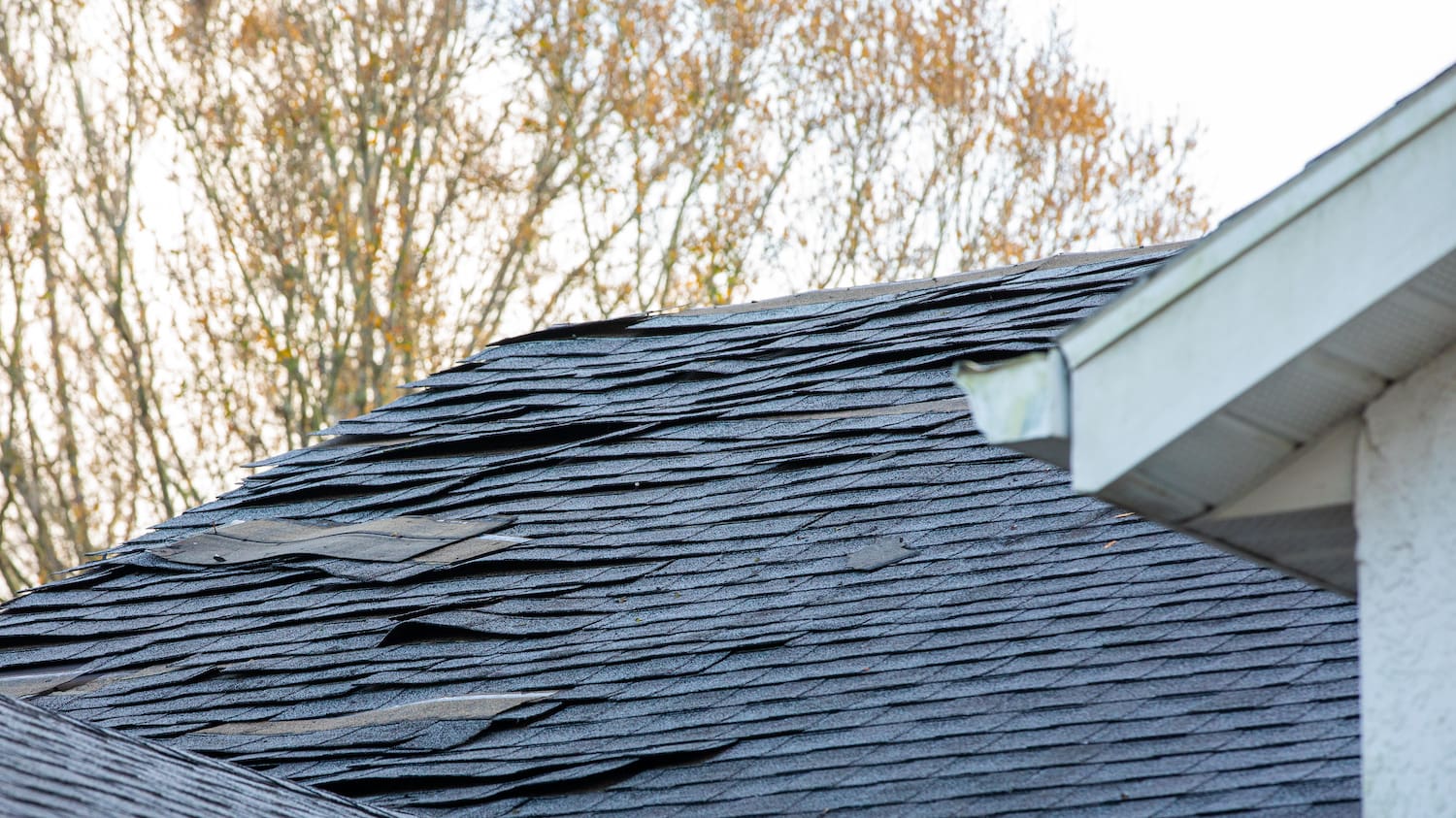
Don't climb on a wet or damaged roof. From the ground, look for missing or lifted shingles, granules in the gutters and downspout outlets, dents in gutters, vents and the mailbox, damaged siding and broken window screens. Hail that dented metal also hit the roof. Check the attic and top-floor ceilings for drips or stains.
Step 2: Stop further damage
If water is coming in, put down buckets and call a roofer for an emergency tarp. The standard ISO form, HO 00 03, requires you to protect the property from further damage and pays reasonable costs to do so. Keep the invoice and photos of the tarp. Don't make permanent repairs before the insurer has had a chance to inspect.
Step 3: Write down the storm date
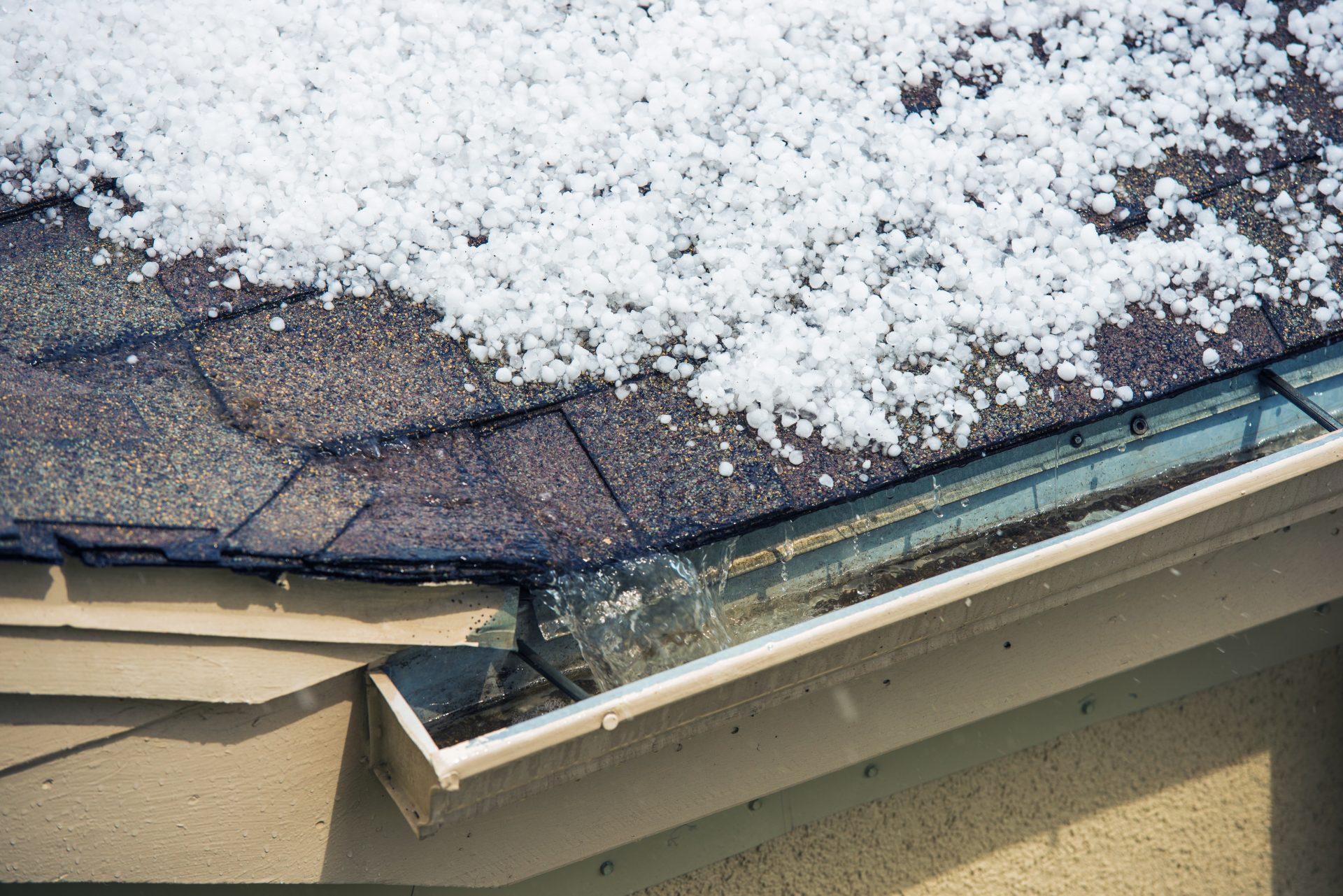
A claim needs a date of loss. Use your own photos of the hail or wind, local news, and weather records. NOAA's Storm Events Database lists hail and wind reports by county and date, though it lags a few months. If you're not sure which storm caused the damage, say so and list the likely dates.
Step 4: Get a roofer's inspection
Have a licensed, local roofer inspect every slope, photograph the damage and give you a written report and estimate. Ask whether the damage can be repaired or needs replacement, and why.
Be careful who you let on the roof. Storm chasers knock on doors after hailstorms. Some states regulate them closely. In Colorado and Minnesota, roofers paid from insurance can't offer to pay or waive your deductible, and if they do, the insurer doesn't have to consider their estimate. Colorado roofing contracts must include a right to cancel within 72 hours after signing, and Minnesota lets you cancel a roofing contract paid from insurance within 72 hours after you learn the claim was denied. Minnesota also bars contractors from interpreting your policy or adjusting your claim unless they hold a public adjuster license. See storm chaser contractors.
Step 5: Check your policy and decide whether to file
Find your declarations page and look for:
- A separate wind and hail deductible, which can be a percentage of the dwelling limit.
- An actual cash value roof endorsement or roof payment schedule.
- A cosmetic damage exclusion for metal roofing and siding.
- Any deadline for wind and hail claims.
If the roofer's estimate is close to your deductible, a claim may not be worth it. If it's well above, file. See how much insurance pays for a roof replacement.
Step 6: Report the claim promptly
Call the claims line, use the app, or contact your agent. Give the storm date and a short factual description, such as "hail damage to the roof, gutters and siding." Ask for the claim number and the adjuster's contact information.
Don't wait. Some policies set a deadline for wind and hail claims, such as one year after the storm. In Colorado, the Supreme Court held in 2024 that missing such a deadline doesn't automatically bar coverage, and the insurer must show prejudice if the delay was unreasonable. Other states and policies treat deadlines differently. See hail storm claim filing deadlines.
Step 7: Be there for the inspection
Ask for the inspection time and have your roofer present. The adjuster may check test squares on each slope and photograph damage. Walk them around the soft metals and any interior damage, and ask them to inspect every slope, not just one. Take your own photos. If an engineer is sent, ask for a copy of the report. See what to expect at an insurance roof inspection.
Step 8: Compare the estimate and respond in writing
When the insurer's estimate arrives, compare it with your roofer's line by line: the number of squares, pitch and height charges, tear-off of every layer, underlayment, ice barrier, drip edge, flashing, vents, gutters, permits and code items, and whether the whole roof or only some slopes were priced. Send any differences in writing with photos and code references. If the insurer offered a repair, explain why replacement is needed. Our guide on roof replacement coverage explains when a full roof is owed.
Step 9: Complete the work and collect the rest
Under a replacement cost policy, the first check can be actual cash value. Tell the insurer within 180 days after the loss that you intend to repair or replace, then send the final invoice to release the withheld depreciation. If the roofer finds rotted or gapped decking during tear-off, photograph it and send a supplement before it's covered up. Your mortgage company may need to endorse the checks.
Mistakes that cost roof claims
A few mistakes can cost a roof claim. Some homeowners sign a contract with the first roofer at the door before reading it, then find the contract assigns the claim or sets the price at whatever the insurer pays. They let the roof be replaced before the adjuster sees it, leaving nothing to inspect. They describe the damage vaguely, or guess at a storm date months later. They accept a repair estimate for one slope without asking why the others weren't priced. And they forget the 180-day notice and lose the depreciation. Each one is easy to avoid if you slow down for a day and read what you sign.
Interior damage is part of the same claim
If the roof leaked, include the ceilings, insulation, drywall, flooring and belongings in the claim. Dry the area quickly. See does homeowners insurance cover a leaking roof.
For how long the whole process can take, see how long a roof insurance claim takes. For a general walkthrough that applies to any loss, see how to file a homeowners insurance claim.
Common questions
Should I call a roofer or my insurance company first?
Protect the house first, then get a roofer's inspection so you know whether the damage is worth a claim. Report the claim promptly after that.
Can my roofer talk to the insurance company for me?
A roofer can explain the damage and the repair scope. In states such as Minnesota, negotiating the claim for you is limited to licensed public adjusters and attorneys.
Do I need photos to file a roof claim?
Photos aren't required to report the claim, but they're the best evidence. Photograph the roof, gutters, siding and any interior damage as soon as it's safe.
What if I don't know when the damage happened?
Check weather records for hail and wind in your area and report the most likely date. A roofer may be able to tell recent damage from old.
Want help with your roof claim?
ClaimWarriors documents storm-damaged roofs and handles the claim from inspection to final payment. See our roof damage claim services or contact us for a free claim review.
This article is general information, not legal advice. Policies and state rules vary. Last reviewed November 2026.