Hail Damage Claim Denied? How to Respond


Hail damage claim denied? Insurers may give one of a handful of reasons: the damage is wear and tear or a manufacturing defect, the hail was too small, the damage is only cosmetic, it came from an older storm, the claim was reported too late, or the inspection found too few hits. Each reason has a specific answer. A denial can be challenged when you get the insurer's inspection data, a second inspection and storm records, and respond in writing.
This guide goes through each denial reason, what the policy says, and the evidence that answers it.
First, get the reason in writing
Ask for the denial letter, the adjuster's photos and test square counts, and any engineer's report. In California and Pennsylvania, a written denial must reference the specific policy provision it relies on. You can't answer a denial you haven't read. See how to appeal a denied home insurance claim.
1. "Wear and tear," "blistering" or "manufacturing defect"
The standard ISO form, HO 00 03, excludes wear and tear, deterioration and latent defects. Insurers sometimes attribute granule loss and marks to blistering, foot traffic or age.
What answers it: a roofer's or engineer's report that describes hail damage specifically. Hail hits can look random and round, with more on slopes facing the storm and fractured mat underneath. Blisters can look uniform and appear in sun-exposed areas. Photos of matching damage on gutters, vents and siding show the hail was there. Ask the insurer to explain how it distinguished hail from wear.
2. "The hail was too small"
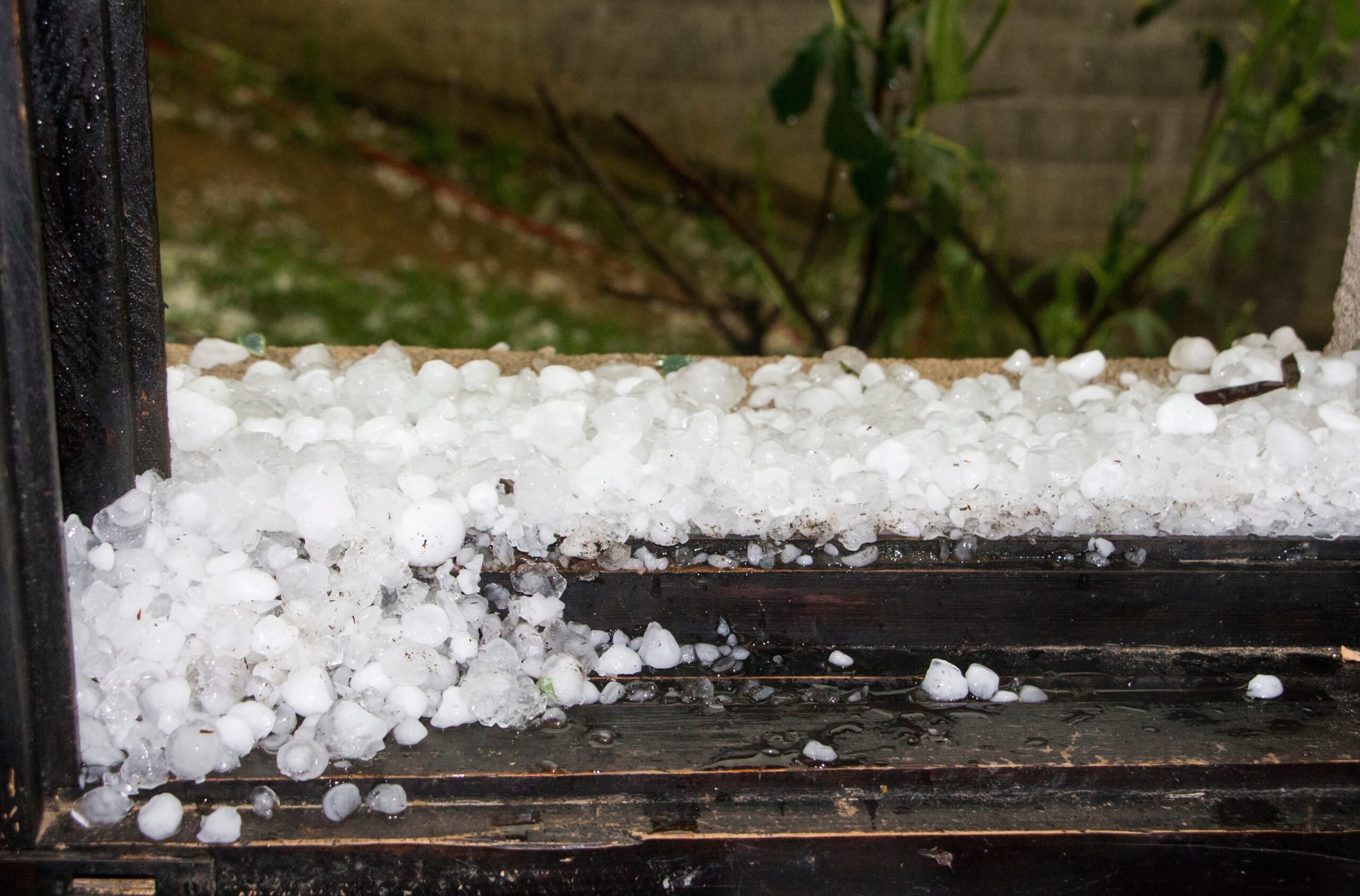
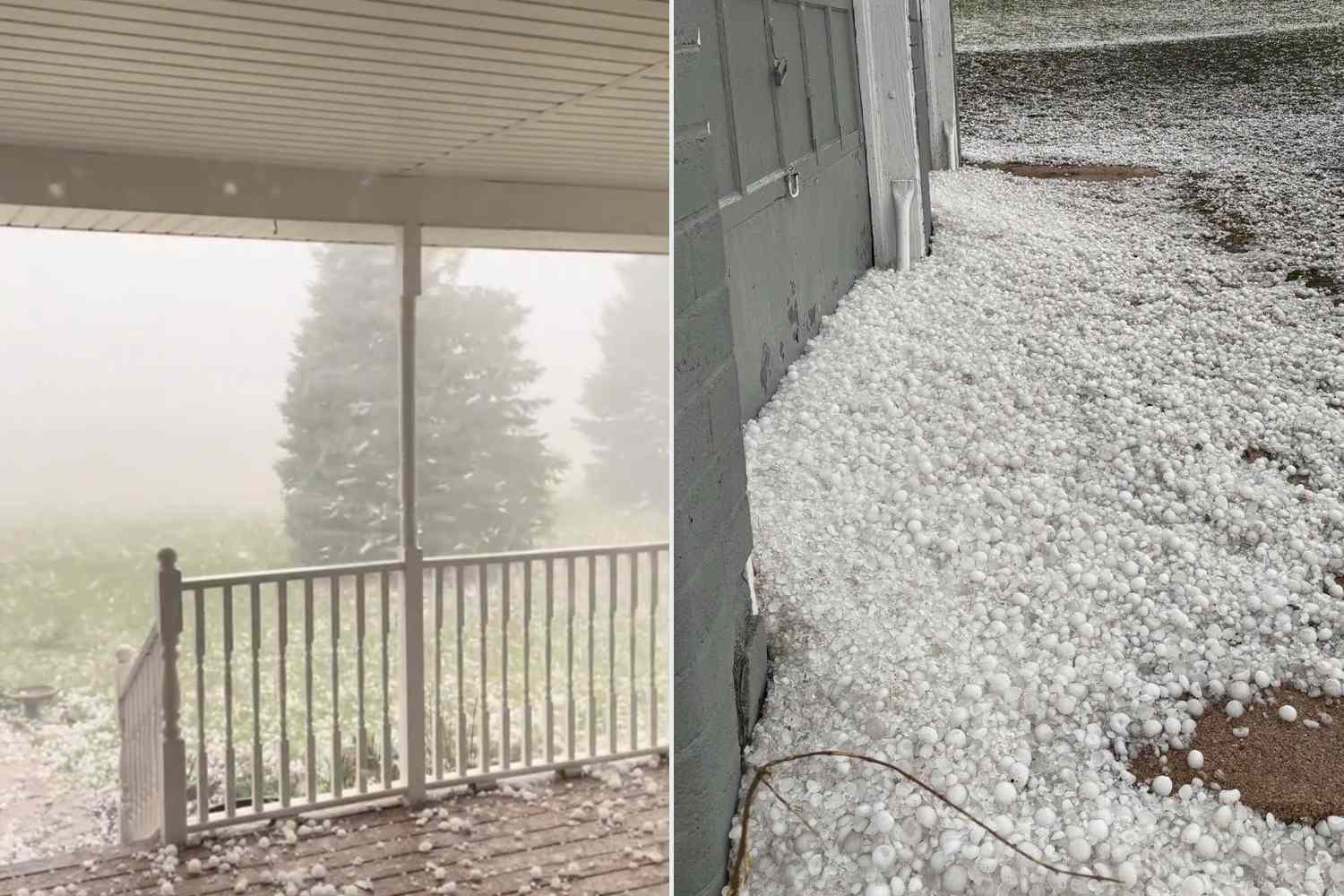
Some denials rely on reports of small hail or on a long-standing industry view that laminated shingles need hail of about 1.25 inches to be damaged.
What answers it: storm records for your location, photos of hailstones, and dents on soft metals. The National Weather Service treats 1-inch hail as severe. Research from the Insurance Institute for Business and Home Safety, published in 2025, found that heavy amounts of hail under 1 inch strip granules and age shingles, and that weathered shingles hit by small hail became up to ten times more vulnerable to later large hail. That research came from the insurance industry's own lab. See what size hail damages a roof.
3. "The damage is cosmetic"
Some policies carry a cosmetic damage exclusion, such as ISO HO 06 43. ISO's version excludes wind or hail damage that only alters the appearance of roofing, siding, doors or windows. Carrier versions may define cosmetic damage as denting or marring that doesn't let water in.
What answers it: evidence that the damage affects function, such as punctures, cracked seams, failed fasteners, or water getting in. Courts have enforced clear cosmetic exclusions. A federal court in Minnesota upheld one in 2025 for dented metal roofs with no leaks, even with expert testimony about reduced lifespan. Read your exact wording and whether it applies only to metal or to all surfaces. See cosmetic hail damage exclusions.
4. "The damage is from an older storm"
In hail-prone areas, insurers may say the damage predates your policy or came from a storm you didn't report.
What answers it: the specific storm date, local storm reports from NOAA's Storm Events Database, and evidence the roof was intact before, such as an inspection report, listing photos or a roofer's invoice. Fresh hail hits can look different from old ones, with exposed asphalt that hasn't weathered. A roofer can explain the difference in writing.
5. "You reported it too late"
Some policies require wind and hail claims within a set time, such as one year. The standard form ties the insurer's right to deny for a missed duty to whether the failure prejudiced the insurer.
What answers it: when and how you found the damage, and proof the insurer could still inspect it. In Colorado, the Supreme Court held in 2024, in Gregory v. Safeco and Runkel v. Owners, that a one-year wind and hail notice provision isn't a condition of coverage, and that if the delay was unreasonable, the insurer must prove it was prejudiced. Other states differ, so check your state's rule. See hail storm claim filing deadlines.
6. "Not enough hits"
Adjusters may count hits in 10-by-10-foot test squares and use a threshold, with eight hits per square a common number according to InterNACHI, though it varies by insurer.
What answers it: your roofer's counts on every slope, with photos. Claims Journal reported in May 2026 that zero hits in one test square doesn't prove there's no damage and that as much of the roof as feasible should be inspected. Ask the insurer what threshold it used and which slopes it tested. See what to expect at an insurance roof inspection.
7. Partial denial: repair instead of replacement
Some letters accept hail damage but pay only for a few shingles or one slope. That's a dispute about scope, and it's handled differently from a coverage denial. Answer it with the reasons repair won't work: brittleness, discontinued materials, mismatch or code. If the insurer agrees there's damage but not on how much, the standard ISO form lets either side demand appraisal. See the appraisal clause.
Prior claims on the same roof
If you were paid for hail damage on the same roof before and didn't replace it, the insurer may say the current damage is the old damage. Keep proof of what was repaired after any earlier claim, such as invoices and photos. If the earlier damage was never fixed, the new claim should be limited to new damage, which a roofer can help separate.
How to respond, step by step
- Get the denial letter, photos, test square counts and any engineer's report.
- Have a licensed roofer, or for large claims an independent engineer, inspect and write a report.
- Gather storm records, hailstone photos and soft metal damage photos.
- Write a short letter that quotes the denial reason and answers it with the evidence, slope by slope.
- Ask for a reinspection with your roofer present.
- If the insurer won't reconsider, file a complaint with your state insurance department, demand appraisal for scope disputes, or talk to a public adjuster or attorney.
- Watch the lawsuit deadline in your policy. The standard form uses two years from the date of loss, and some states set different rules.
To understand what the claim should pay once it's accepted, see how much insurance pays for hail damage. If you're starting over with a new storm, see how to file a hail damage claim.
Common questions
Can I appeal a hail damage claim denial?
Yes. Send a written request for reconsideration with new evidence, such as a roofer's report and storm records, and ask for a reinspection.
Why would insurance deny a hail claim?
Reasons include the insurer believing the damage is wear, cosmetic, from an older storm, too minor, or reported too late.
Should I get an engineer for a denied hail claim?
For large roofs or disputes about cause, an independent engineer's report can carry weight. For smaller claims, a detailed roofer's report may be enough.
Can I file a new claim after a denial?
Not for the same damage. You can ask the insurer to reconsider with new evidence, or file for damage from a different storm.
Hail claim denied?
ClaimWarriors reviews hail denials, reinspects the roof and challenges the decision with evidence. See our hail damage claim services, our help with denied and underpaid claims, or send us your denial letter for a free review.
This article is general information, not legal advice. Coverage and deadlines vary by policy and state. Last reviewed November 2026.