How to File a Hail Damage Claim on Your Home


Here is how to file a hail damage claim on your home: record the storm date and hail size, check the outside of the house for dents and broken items, cover any openings, have a roofer inspect the roof, then report the claim to your insurer and be present for the adjuster's inspection. Hail claims turn on a few specific things: proving which storm caused the damage, documenting every slope and elevation, and knowing your wind and hail deductible and roof settlement terms before you file.
This guide walks through each step for homeowners, with the hail-specific details that decide what gets paid.
Step 1: Record the storm while it's fresh
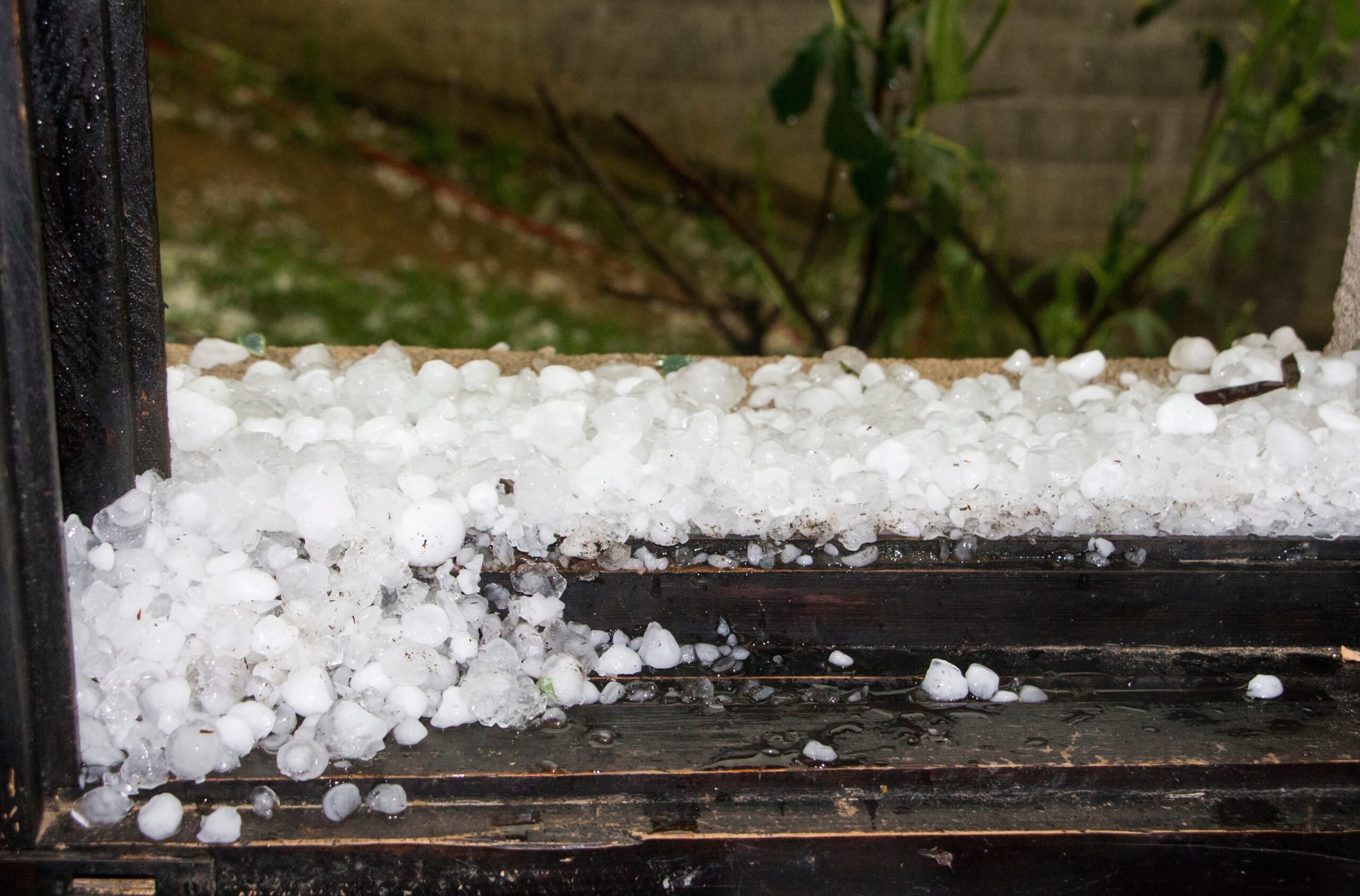
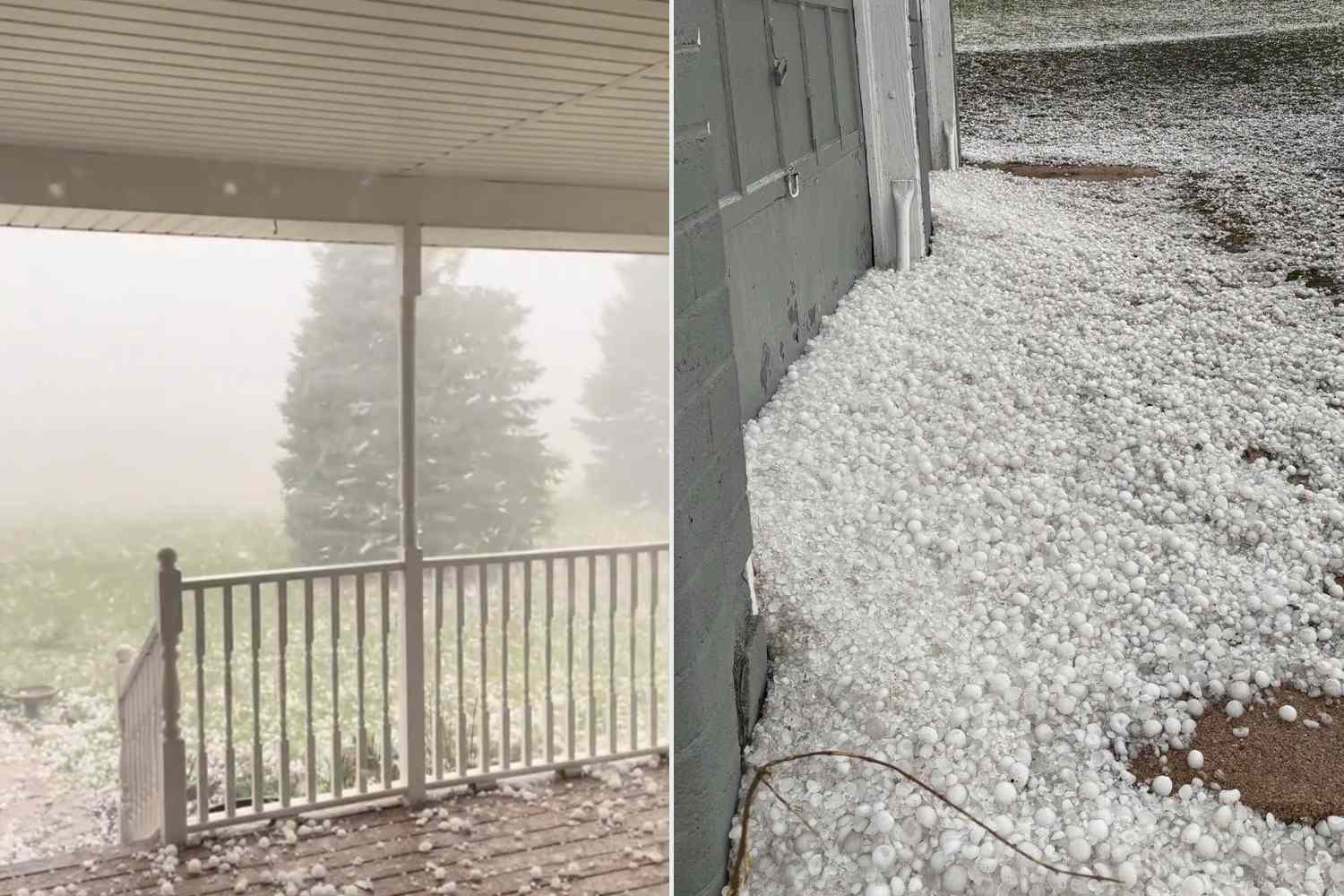
Write down the date and approximate time. If it's safe, photograph hailstones next to a coin or ruler. Save weather alerts and local news reports. The National Weather Service considers hail of 1 inch, about quarter size, severe. NOAA's Storm Events Database lists hail reports by county and date, which can take a few months after the storm, and the NWS takes spotter reports in real time. See what size hail damages a roof.
Step 2: Walk the outside of the house
From the ground, look for:
- Dents in gutters, downspouts, roof vents, chimney caps and flashing.
- Granules washed out of downspouts.
- Cracked, chipped or dented siding, trim and fascia.
- Torn window screens and dented window frames.
- Dented fins on the outdoor air conditioning unit.
- Damage to fences, decks, sheds and outdoor furniture.
Photograph each one, wide and close up. If you were away during the storm, ask neighbors what they saw and check whether their cars, roofs or gutters were damaged on the same day. Soft metal damage helps prove the hail size and direction, which the adjuster will compare with the roof.
Step 3: Stop further damage
If hail broke a skylight or window or opened the roof, cover it. The standard ISO form, HO 00 03, requires you to protect the property from further damage and pays reasonable costs to do so. Keep receipts and photos.
Step 4: Check your policy before you call
Look at your declarations page for:
- A separate wind and hail deductible. Colorado's Division of Insurance notes these can be 1%, 2% or 5% of your dwelling coverage.
- An actual cash value roof endorsement or a roof payment schedule based on roof age.
- A cosmetic damage exclusion for dents in metal roofing, siding or gutters.
- A deadline for reporting wind and hail claims.
These decide whether the claim is worth filing and what it will pay. See how much insurance pays for hail damage.
Step 5: Get a roofer's inspection
Hire a licensed local roofer to inspect every slope, photograph the damage, chalk the hits and give you a written report and estimate. After big hailstorms, out-of-town contractors go door to door. In Colorado and Minnesota, roofers paid from insurance can't offer to pay or waive your deductible. Colorado roofing contracts must allow you to cancel within 72 hours of signing. See storm chaser contractors.
Step 6: Report the claim
Call the claims line, use the app, or contact your agent. Give the storm date and list what was damaged: roof, gutters, siding, screens, AC unit. Ask for the claim number and the adjuster's contact.
Report promptly. Some policies set a deadline for wind and hail claims, such as one year. In Colorado, the Supreme Court held in 2024 that a late notice doesn't automatically end coverage, but other states and policies are stricter. Waiting also makes it harder to tie the damage to a single storm, especially in areas that see hail every year. See hail storm claim filing deadlines.
Step 7: Be there for the inspection
Have your roofer present. The adjuster may mark 10-by-10-foot test squares on each slope and count hits. InterNACHI notes that insurers set their own thresholds and that eight hits is a common number. Ask the adjuster to:
- Inspect every slope, especially those facing the storm.
- Photograph the soft metals and siding, not just the roof.
- Look at the AC unit, screens and other structures.
- Note any interior leaks.
A single clean test square isn't proof the roof is undamaged. See what to expect at an insurance roof inspection.
Step 8: Compare the estimate
Check the insurer's estimate against your contractors' for the number of roof squares, pitch charges, every layer of tear-off, underlayment, ice barrier, drip edge, flashing and vents, plus gutters, siding on every damaged side, screens and the AC unit. If the insurer priced a repair, ask why, and send your roofer's reasons for replacement. If siding can't be matched, raise that in writing. See hail damage to siding.
Step 9: Repair and collect the rest
Under a replacement cost policy, the first payment can be actual cash value. Tell the insurer within 180 days after the loss that you intend to repair, finish the work, and send final invoices to release the withheld depreciation. Send a supplement for anything found during repairs, such as damaged decking.
Mistakes to avoid on hail claims
- Waiting until the next storm season to file. Overlapping storms make the date of loss harder to prove.
- Photographing only the roof. Soft metals, siding and screens back up the roof damage.
- Signing with a door-to-door contractor before reading the contract.
- Letting the roof be replaced before the inspection.
- Ignoring a cosmetic damage exclusion or percentage deductible until the check arrives.
- Forgetting the 180-day notice of intent to repair, which protects replacement cost.
For how long each stage can take, see how long a roof insurance claim takes.
Your car is a separate claim
Hail damage to a car isn't part of the homeowners claim. It's covered under comprehensive coverage on your auto policy, with its own deductible.
If the claim is denied
Hail denials can say the damage is wear, the hail was too small, the damage is cosmetic, or it came from an older storm. Each has an answer. See hail damage claim denied.
Common questions
How long do I have to file a hail damage claim?
It depends on your policy and state. Some policies require wind and hail claims within one year of the storm. Report as soon as you know about the damage.
Do I need a roofer before I file a hail claim?
It helps. A roofer's inspection tells you whether the damage is above your deductible and gives you evidence for the adjuster.
Should I file if my neighbors are filing?
Only if your own home was damaged. Hail can hit one street and miss the next. Inspect your own roof and soft metals.
Do I have to use the insurer's preferred roofer?
No. You can choose your own licensed contractor. The insurer pays the reasonable cost of the covered repair, and it may compare your contractor's price with its own estimate.
What if the adjuster says there's no hail damage?
Ask for the inspection photos and test square counts, get a second inspection from your roofer, and request a reinspection in writing.
Want help with your hail claim?
ClaimWarriors documents hail damage across the whole property and handles the claim with your insurer. See our hail damage claim services or contact us for a free claim review.
This article is general information, not legal advice. Policies and state rules vary. Last reviewed November 2026.