Does Homeowners Insurance Cover Tornado Damage?


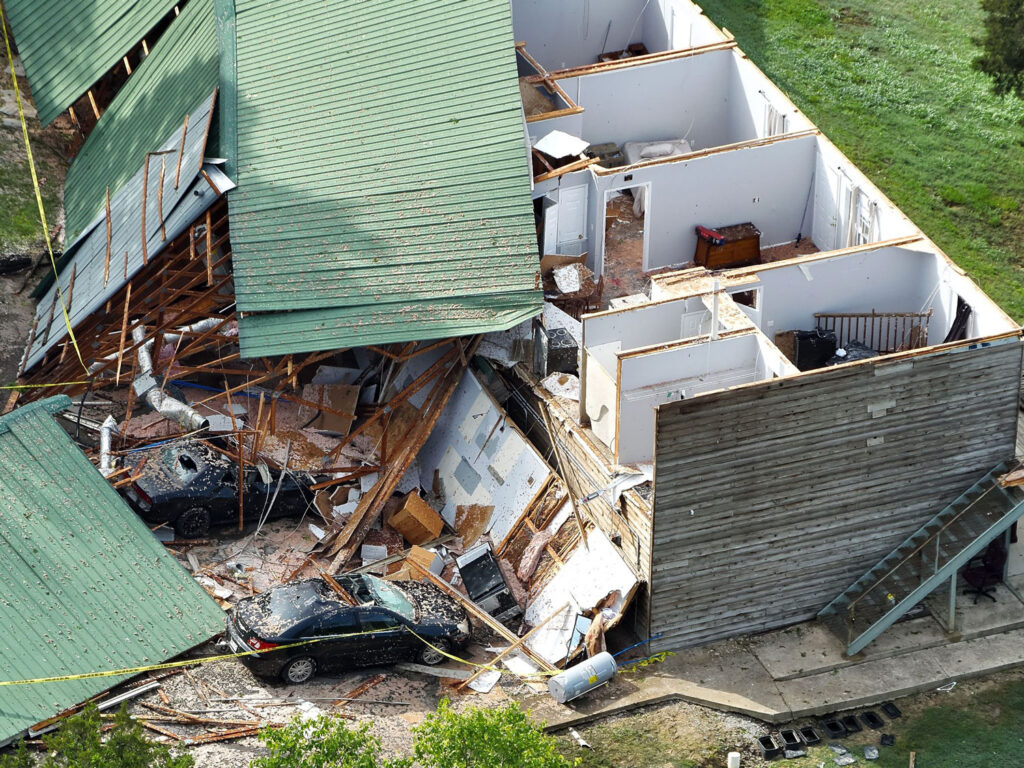
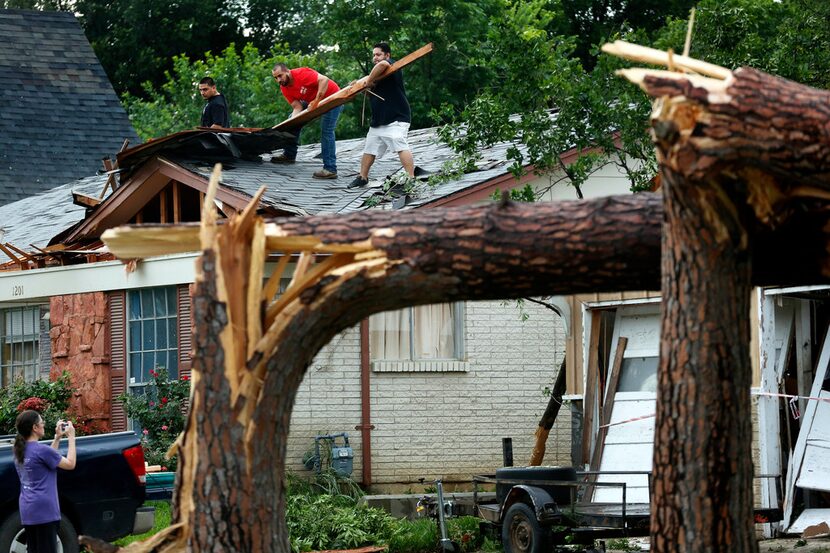
Does homeowners insurance cover tornado damage? Yes. Standard homeowners policies treat a tornado as windstorm, so damage to the house, other structures and belongings is covered, along with debris removal and extra living costs if you can't stay in the home. What you're paid depends on your limits, your deductible, which may be a percentage wind and hail deductible, and how your policy settles roofs and belongings. Flooding from the same storm system isn't covered without a flood policy.
This guide explains what a tornado claim covers, the limits that matter after a severe loss, and how to work through the claim.
Why tornadoes are covered
The standard ISO HO 3 form covers the dwelling and other structures against any direct physical loss unless excluded, and windstorm isn't excluded. Belongings are covered for named perils, and windstorm is one of them. A tornado's wind, flying debris and the trees it drops are covered causes under both parts of the 2011 form.
According to NOAA's National Severe Storms Laboratory, about 1,200 tornadoes hit the United States each year, and tornadoes have been reported in all 50 states.
What a tornado claim can include
- Repairs or rebuilding of the house, including the roof, walls, windows, doors and foundation damage caused by the storm.
- Other structures, such as a detached garage, shed or fence, up to the other structures limit.
- Belongings damaged or blown away, including rain damage through openings the tornado made.
- Additional living expenses, such as a rental, hotel, extra meals and mileage, while the home is unlivable.
- Debris removal, including the cost to remove the house's own debris and, within set limits, fallen trees.
- Code-required upgrades under ordinance or law coverage, up to its limit.
- Temporary repairs to protect the property, such as tarps and board-up.
Your car is covered under the comprehensive part of your auto policy, not your homeowners policy.
Deductibles
A tornado claim normally falls under your wind and hail deductible. In some storm-prone states, that's a percentage of the dwelling limit, such as 1%, 2% or 5%. On a $300,000 dwelling limit, a 2% deductible is $6,000. Read your declarations page, since some policies have a flat deductible for all perils and others separate wind and hail. If several storms hit within a few days, ask whether the insurer treats them as one occurrence or more, since that decides how many deductibles you pay.
Limits that matter after a total loss
When a tornado destroys a home, the dwelling limit becomes the ceiling. If building costs have risen faster than your limit, you may be underinsured. Extended or guaranteed replacement cost endorsements add a cushion above the limit. Debris removal can also run into the limit. The standard form adds up to 5% of the limit for debris removal when the loss plus debris removal exceeds the limit. Belongings are paid up to the personal property limit, sometimes at actual cash value first and replacement cost after you replace items.
Living expenses are covered for the shortest time needed to repair or replace the home, or for you to settle elsewhere, up to the policy's loss of use limit. Keep every receipt. See additional living expenses and debris removal coverage.
Partial damage and matching
Tornado claims can involve partial damage, such as a section of roof, one side of siding or a few windows. Disputes can follow over whether to repair or replace and whether new materials will match. Some states have matching rules, such as Utah's regulation requiring a reasonably uniform appearance when replaced items don't match in color, texture or size. See wind damage to siding and windows and does homeowners insurance cover broken windows.
Building a contents list
After a tornado, belongings are scattered, buried or gone. Insurers still ask for a list of what was lost, with descriptions, ages and replacement prices. Start with photos and videos you already have on your phone and social media, then work room by room. Bank and card statements, online order histories and warranty registrations help fill in purchase dates and prices. Include items in the garage, attic and yard. Check whether your policy has special limits for jewelry, firearms, cash or collectibles, since the standard form caps those categories unless they're scheduled. If the list is long, ask the insurer whether it will accept a spreadsheet and whether it will make a partial payment while you finish.
Garage doors and openings
A garage door is a large panel facing the weather, and a tornado can push it in or tear it off its tracks. The door, the opener and anything inside or above the garage damaged in the same storm are covered as wind damage. See does homeowners insurance cover garage door damage.
Example: a tornado that hits one side of a street
An EF1 tornado crosses a neighborhood. One home loses most of its roof covering, two windows and a section of fence. Rain soaks the upstairs bedrooms. The family moves to a hotel for six weeks. The dwelling limit is $350,000 with a 1% wind deductible of $3,500.
The estimate includes $24,000 for the roof, $3,200 for windows, $2,100 for the fence under other structures, $11,500 for interior repairs, $6,800 for damaged belongings and $7,400 in living expenses. The insurer pays the total minus the deductible, holds back depreciation on the roof and belongings until replacement, and releases it after repairs. These figures are illustrative.
How to handle a tornado claim
- Make sure everyone is safe. Stay out of damaged buildings until they're checked, and watch for downed lines and gas leaks.
- Photograph and video everything before cleanup, inside and out.
- Prevent further damage with tarps and board-up, and keep receipts.
- Report the claim and ask for an advance on living expenses or contents if you're displaced.
- Start a room-by-room inventory of damaged and missing belongings.
- Get written estimates from licensed local contractors, and check licenses before signing anything after a disaster.
- Read your policy for the 180-day notice to keep replacement cost and for any wind and hail claim deadline.
Keep a folder or phone album just for the claim, with photos, receipts and every letter from the insurer.
See does homeowners insurance cover storm damage for other storm causes.
Common questions
Is tornado damage covered by a standard homeowners policy?
Yes. Tornado damage is covered as windstorm damage under standard homeowners policies, subject to your deductible and limits.
Does homeowners insurance pay for debris removal after a tornado?
Yes, for the debris of covered property. Tree removal has its own limits, and the standard form adds up to 5% of the limit when the loss and debris removal exceed it.
Will insurance pay for a hotel after a tornado?
Yes, if the home is unlivable. Additional living expenses cover the increase in your normal costs, up to the loss of use limit.
What if the tornado caused flooding?
Flood damage isn't covered by homeowners insurance. Rain that came in through openings the tornado made is covered.
Tornado claim underpaid?
ClaimWarriors documents tornado damage, living expenses and contents and negotiates the full claim. See our storm and wind damage claim services or contact us for a free claim review.
This article is general information, not legal advice. Coverage depends on your policy and state law. Last reviewed November 2026.