How to Get Insurance to Pay for Roof Replacement


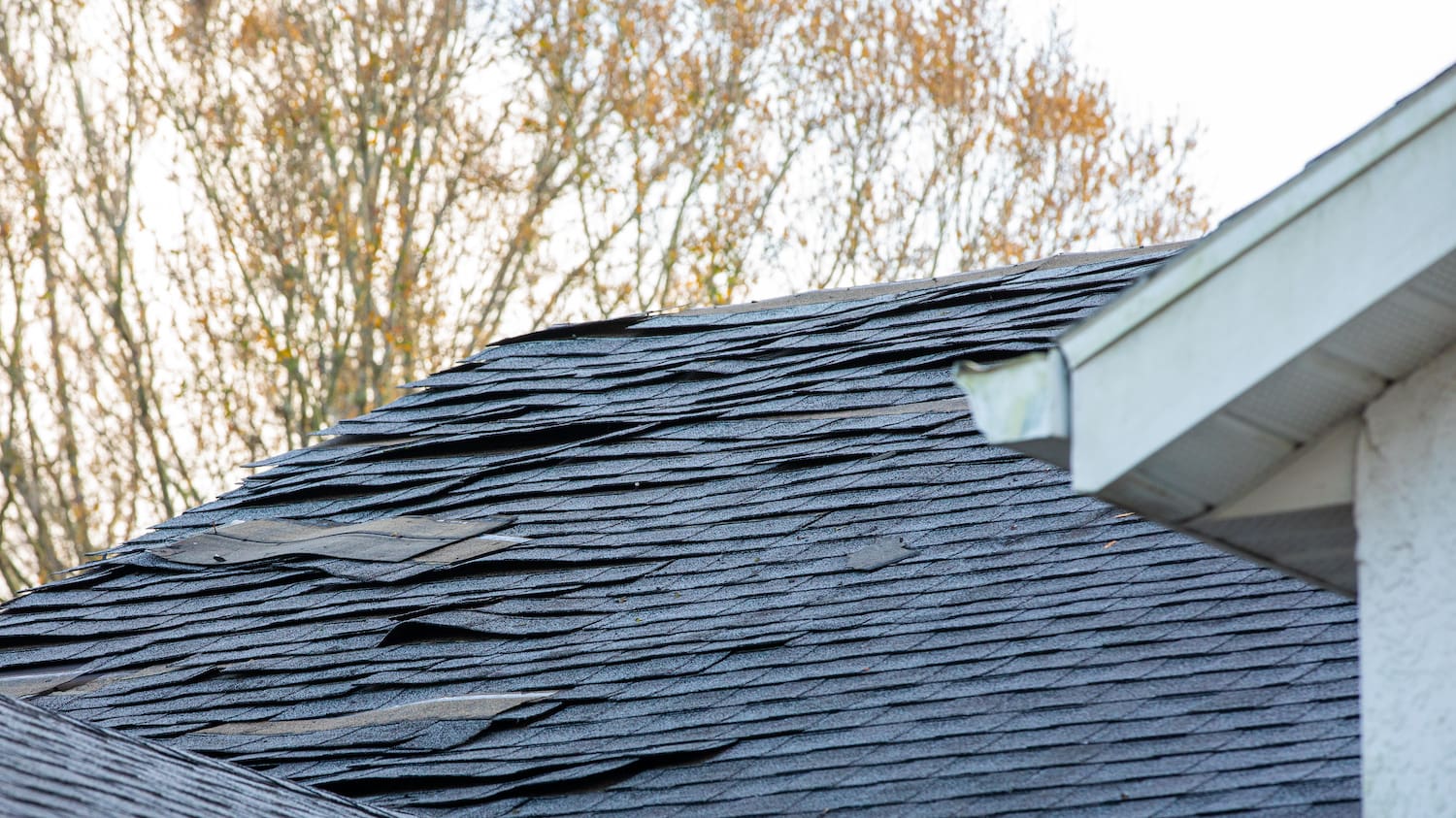
How to get insurance to pay for roof replacement comes down to showing two things: that a covered event, such as hail or wind, damaged the roof, and that the damage can't be fixed with a repair. The evidence is a documented inspection of every slope, the storm date, photos of fresh damage, and written reasons from a roofer why a repair won't work, such as brittle shingles, discontinued materials or code requirements. An insurer may offer a repair first. A clear written case is how that becomes a replacement.
There's no trick that makes an insurer pay for an old roof that simply wore out. But when a storm really did damage the roof, these steps make the difference between a patch and a new roof.
Step 1: Confirm a storm actually hit
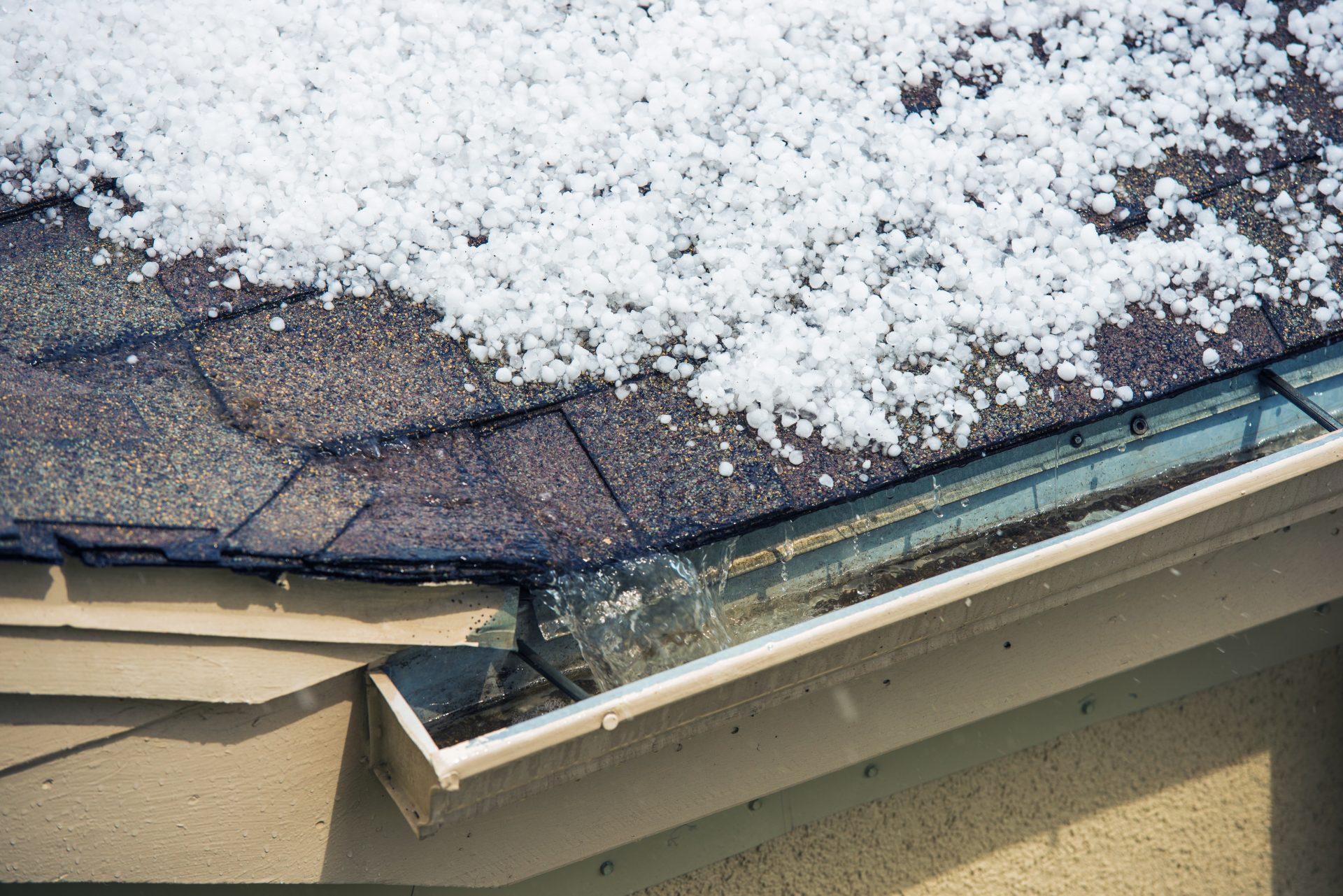
Find the date. Local news, your own photos of hail on the ground, and weather records all help. NOAA's Storm Events Database lets you search hail and wind reports by state, county and date, though its records lag a few months behind. A specific date of loss gives the claim an anchor the insurer can verify.
Check for other storm signs around the house: dents in gutters, downspouts, mailbox and window screens, damaged siding, broken skylights. Hail that dents soft metal also hit the roof.
Step 2: Get a thorough roof inspection before you file
Have a licensed roofer inspect every slope and photograph the damage with dates. Ask them to mark hits with chalk and photograph each test square. Ask for a written report that names the storm, describes the damage on each slope, and says whether the roof can be repaired.
Choose the roofer carefully. In Colorado and Minnesota, roofers paid from insurance proceeds may not offer to pay or waive your deductible, and if they do, the insurer doesn't have to consider their estimate.
Step 3: File promptly and be specific
Report the claim with the storm date and a short description: hail damage to the roof, gutters and siding, for example. Some policies set a deadline for wind and hail claims, such as one year, and Colorado's Supreme Court held in 2024 that a late notice can still be covered unless the insurer shows it was harmed by the delay. Don't count on that. File as soon as you know. See hail storm claim filing deadlines and how to file a roof claim.
Step 4: Be on the roof with the adjuster
Ask for the inspection date and have your roofer there. The adjuster may look at test squares on each slope. A single clean test square doesn't prove the roof is undamaged. Claims Journal reported in May 2026 that zero hits in one square doesn't rule out damage, and that as much of the roof as possible should be inspected. Point out every damaged area, including the soft metals and the slopes facing the storm. See what to expect at an insurance roof inspection.
Step 5: Make the case for replacement in writing
When the estimate covers only a repair, respond with the specific reasons a repair won't work. The strongest ones:
Damage is widespread
If several slopes meet the insurer's own hit threshold, patching slope by slope leaves a roof that is still damaged. Ask what threshold the insurer used and send your counts and photos.
Shingles can't be repaired without more damage
Older asphalt shingles can become brittle. A brittleness test, where the roofer tries to lift a shingle tab, shows whether repair would crack the surrounding shingles. Ask the roofer to photograph or video the test.
Materials don't match
A patch with a different color or profile can leave a visibly mismatched roof. Some states have matching rules, and some courts read replacement cost policies to require a reasonable match. See insurance matching laws.
Code requires more
The International Residential Code doesn't allow a new layer over two or more existing layers, and local codes may require ice barrier, drip edge or new decking. Under the standard form, ordinance or law coverage pays code upgrades up to 10% of the dwelling limit, and Minnesota's Supreme Court held in 2025 that a replacement cost policy had to pay for code-required sheathing. Ask your roofer to cite the code section.
Step 6: Ask for a reinspection or a different adjuster
If the insurer won't move, ask in writing for a reinspection with your roofer present, or for a field supervisor to review the file. Send the evidence first so the second look starts from your documentation.
Step 7: Use appraisal if the dispute is about scope or price
If the insurer agrees there's covered damage but disputes how much, the standard ISO form lets either side demand appraisal. Each side picks an appraiser, and an umpire decides what they can't agree on. Appraisal works best when the damage is accepted and the fight is over repair versus replacement or price. See the appraisal clause.
A sample replacement request
Keep the letter short and tie every point to evidence: "Your estimate prices repairs to the north slope only. Our roofer's report, attached, documents hail fractures on all four slopes, with 9 to 14 hits per test square, photos 1 to 32. The shingles failed a brittleness test on each slope, video attached, so they can't be lifted for repair without breaking. The manufacturer discontinued this color in 2021, letter attached. We ask that you revise the estimate to a full replacement or reinspect with our roofer present by [date]." The numbers in this sample are illustrative. Replace them with your own.
Step 8: Collect the full payment
Under a replacement cost policy, the first check can be actual cash value. The withheld depreciation is paid after the roof is replaced. Tell the insurer within 180 days after the loss that you intend to replace it, send the final invoice when the work is done, and include any code items or supplements the roofer found during tear-off, such as rotted decking. See roof depreciation and how much insurance pays for a roof replacement.
What won't work
- Filing for an old roof with no storm damage. Wear and tear is excluded, and a false claim is insurance fraud.
- Letting a roofer "handle" the claim. In states such as Minnesota, only a licensed public adjuster or attorney can negotiate a claim for you.
- Accepting a deductible waiver. It can void the contractor's estimate in some states and can be fraud.
- Waiting months to file after a storm you knew about.
Common questions
Can I get my roof replaced if only one side is damaged?
The insurer may pay only for the damaged slope. Full replacement can be owed if the slopes can't be matched or the damaged area can't be repaired without affecting the rest.
How many hail hits does insurance need to replace a roof?
There's no single rule. Insurers set their own thresholds, and InterNACHI says eight hits per 10-by-10-foot test square is a common number.
Will insurance pay for a new roof if mine is old?
Only for covered damage, and possibly at actual cash value or on a schedule if your policy has those terms. See does homeowners insurance cover roof replacement.
Should I hire a public adjuster for a roof claim?
On large claims where the insurer offers only a repair, a public adjuster can document and negotiate the replacement. On small claims, the fee may outweigh the gain.
Insurer offering a patch for a storm-damaged roof?
ClaimWarriors documents roof damage slope by slope and negotiates for the repair the policy owes. See our roof damage claim services or contact us for a free claim review.
This article is general information, not legal advice. Policies and state rules vary. Last reviewed November 2026.